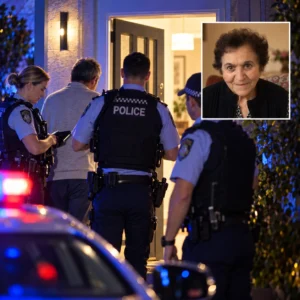
A 22-year-old man has suffered serious injuries after being struck in the back with a three-pronged spear during a large disturbance involving about 100 people in the remote Northern Territory community of Wadeye.
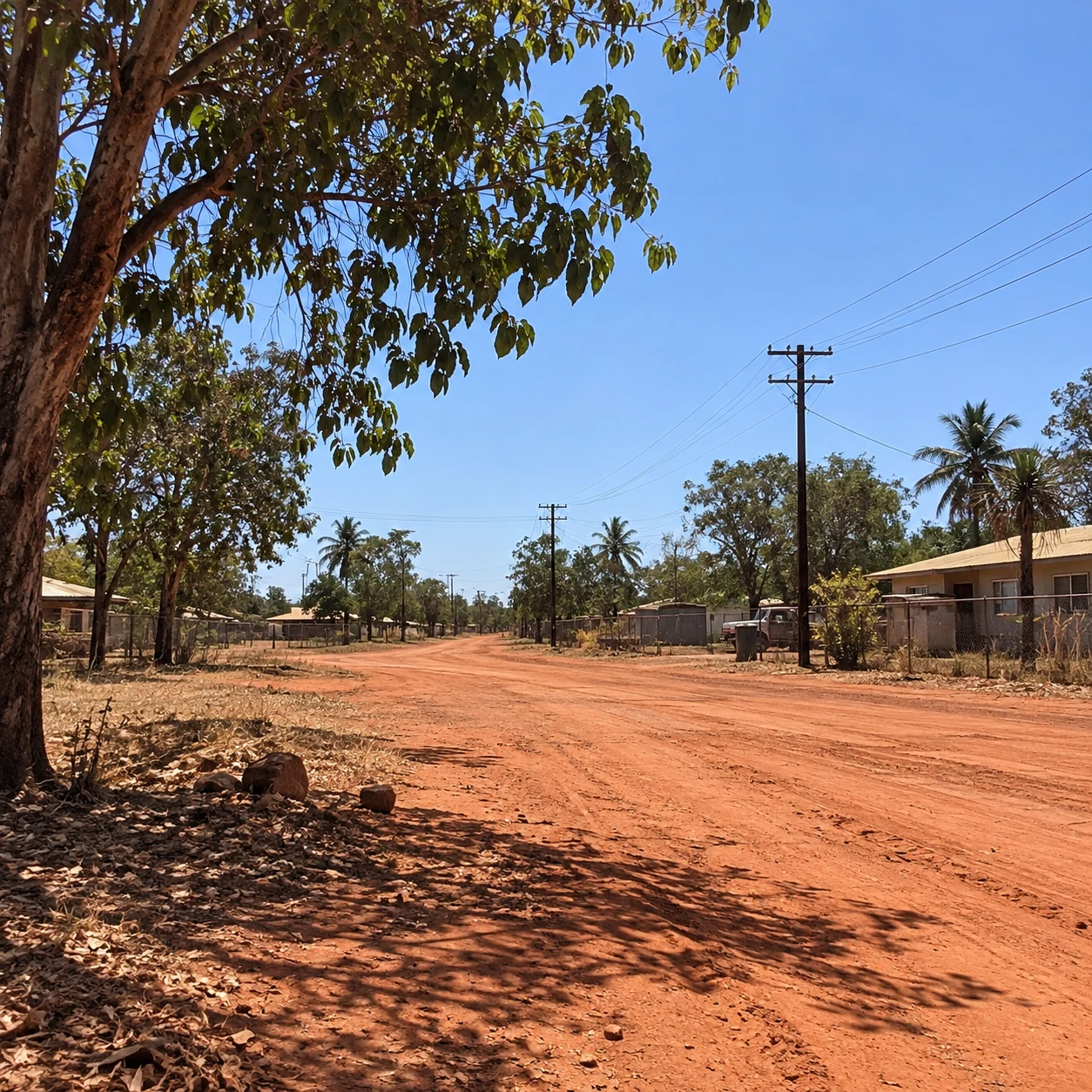
Northern Territory Police said officers were called to the disturbance at about 11.45pm on Monday, 14 September, after reports that two family groups were involved in fighting. Police allege a number of people were armed with weapons including compound bows, spears and metal objects.
During the unrest, the 22-year-old man was allegedly struck in the back with the spear. Police entered a residence, safely removed him and escorted him to the Wadeye Health Clinic for treatment.
A vehicle near the rear of a residential property was also set alight after allegedly being surrounded by members of one of the groups. Police had not identified the vehicle’s owner when they issued their initial statement.
Additional officers were recalled to duty to help contain the situation and restore order. Investigations remain under way, and police have appealed for witnesses, information and footage relating to the incident.
The latest disturbance occurred against a backdrop of continuing unrest in Wadeye during recent months. Police have repeatedly said that a relatively small number of people are driving much of the violence while most residents want calm, safety and reliable access to essential services.
Just one day before the spear incident, Northern Territory Police announced the arrests of 13 people during a targeted operation in Wadeye. The 10 men and three women, aged between 19 and 45, were charged with a combined total of more than 50 offences linked to incidents dating back to the beginning of August.
Those charges included allegations of riot participation, arson, aggravated burglary, assault, dangerous driving, property damage, going armed in public and breaching domestic violence orders. All 13 were remanded in custody, according to police.
Police said the operation was part of a broader effort to identify people allegedly involved in repeated fighting, deliberately lit fires, damage to homes and vehicles and other serious offending across the community.
Superintendent Virginia Read said residents had a right to feel safe and that police would continue working with community leaders while pursuing people suspected of criminal conduct. She said ongoing violence was creating fear and disruption for families as well as risks for responding officers.
The spear incident also followed another serious assault reported only days earlier. On 10 September, police said a 28-year-old man presented to the Wadeye Health Clinic with an arrow wound to his chest after allegedly being shot while walking near the main oval.
Police said the victim suffered a suspected punctured lung and was medically evacuated to Royal Darwin Hospital. An 18-year-old man later presented himself to police and was charged with offences including acts intended to cause serious harm and recklessly endangering serious harm. Those charges remain before the courts.
Taken together, the recent incidents show the complexity of the situation facing local residents and authorities. The immediate police task is to stop active violence, protect people who are not involved and investigate individual offences. The longer-term challenge is to reduce the conditions that allow disputes to repeatedly escalate into large confrontations.
Wadeye has experienced periods of serious unrest before, including large disturbances earlier in 2026 that prompted additional police deployments and numerous arrests. Police have at times seized edged weapons, blunt weapons, bows and other items during searches and operations.
In August, police said unrest had followed the death of a local community member and that several significant disturbances had involved groups carrying crossbows, rocks and metal objects. Police also reported incidents in which officers and vehicles were targeted by projectiles.
Authorities have consistently said law enforcement alone cannot produce lasting stability. Statements from senior police have emphasised the need for community-led efforts, family engagement and cooperation with local leaders and service providers alongside arrests and patrols.
That distinction matters because large disturbances can affect people far beyond those directly involved. When fighting spreads through residential areas, families may be unable to move safely, health workers can face difficulty reaching patients, vehicles and homes can be damaged, and police resources can be diverted from other emergencies.
Remote communities also face practical challenges that can magnify the effect of a serious incident. Wadeye is hundreds of kilometres from Darwin by road, and patients with significant trauma may need medical evacuation for specialist treatment. Local police and health services therefore have to stabilise an incident quickly while additional resources are brought in.
Police have recently increased their presence in Wadeye and deployed specialist resources to support local officers. The Territory Safety Division conducted a targeted operation between 11 and 14 September aimed at disrupting offending and reducing the supply of illicit substances.
Police said that operation resulted in arrests and the seizure of alcohol, cannabis and numerous weapons, with the total estimated street value of seized items exceeding $90,000. Those figures form part of a separate enforcement effort but demonstrate the scale of resources being directed at recent safety concerns.
The large disturbance on 14 September required a different response. Officers had to enter an active scene involving dozens of people, locate the injured man and remove him from a residence before he could be taken to the clinic. The presence of bows, spears and metal objects created an additional risk to police and bystanders.
Authorities have not publicly identified the injured 22-year-old or provided a detailed update on his condition beyond describing his injuries as serious. No one had been charged specifically over the three-pronged spear attack at the time of the initial police release.
Police have also not publicly identified the owner of the vehicle that was set on fire or explained whether the fire was directly connected to the assault on the injured man. Those details remain part of the investigation.
It is important to distinguish between allegations involving individuals and the wider Wadeye community. Police statements have repeatedly stressed that the violence is being driven by particular offenders and groups, while many residents are affected by the disruption rather than participating in it.
That approach is reflected in police comments about working alongside community members and supporting local solutions. Enforcement can remove alleged offenders from an immediate conflict, but reducing repeated outbreaks may depend on mediation, family leadership, youth engagement, reliable services and other locally supported measures.
For now, the priority remains the investigation into the 14 September disturbance. Detectives are seeking information about who was involved, how the 22-year-old came to be struck with the spear, who set the vehicle alight and whether other offences occurred during the confrontation.
Police have asked anyone with information or relevant footage to contact them and quote reference number NTP2600089258. Anonymous information can also be provided through Crime Stoppers.
The incident adds another serious injury to a difficult period for Wadeye and will place further pressure on police, health services and community leaders trying to prevent the next dispute from becoming another large-scale confrontation.
The police response in Wadeye has also become increasingly focused on preventing retaliation after individual incidents. When a serious assault occurs between people connected to different family groups, officers have to consider whether relatives or associates may gather, whether weapons are being moved around the community and whether homes connected to the dispute could become targets. That can require extra patrols even after the immediate disturbance has ended.
Earlier operations this year show how quickly the workload can expand. In February, police said dozens of arrests were made after repeated disturbances, and later operations involved searches of homes and the seizure of edged and blunt weapons. In August, additional Territory resources were again sent to Wadeye after reports of large armed groups and attacks on police vehicles.
Those earlier events do not establish who was responsible for the latest spear attack, and they should not be treated as evidence against anyone now under investigation. They do, however, explain why police were able to recall extra members and deploy specialist units quickly when the September violence intensified.
For residents, repeated unrest can create a cycle in which ordinary daily activities become harder even when a person has no connection to the dispute. Parents may avoid particular areas, vehicles may be kept off certain roads, community events can be disrupted and health or government workers may have to change how services are delivered until conditions settle.
Police statements this year have tried to balance enforcement with that broader reality. Senior officers have repeatedly condemned violent conduct while also saying lasting improvement depends on people within Wadeye being involved in resolving disputes. That reflects the limits of an arrest-only response in a community where relationships between families, local organisations and service providers continue after police operations end.
The immediate investigation will therefore run alongside a wider effort to stabilise the community. If police identify suspects in the spear attack or the vehicle fire, any charges will be tested separately in court. At the same time, officers are expected to maintain an increased presence and continue engagement with residents while the risk of further violence is assessed.