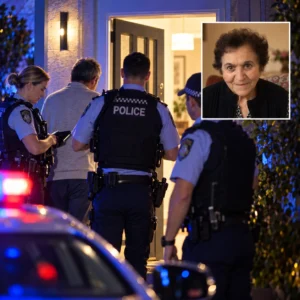
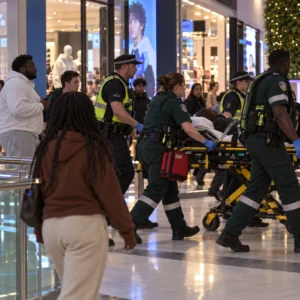
A 75-year-old northern New South Wales man who was praised after shooting an alleged intruder during a violent home invasion has had his firearms licence revoked, prompting fresh political debate over self-defence, gun licensing and the rights of homeowners who use lawful firearms in emergencies.
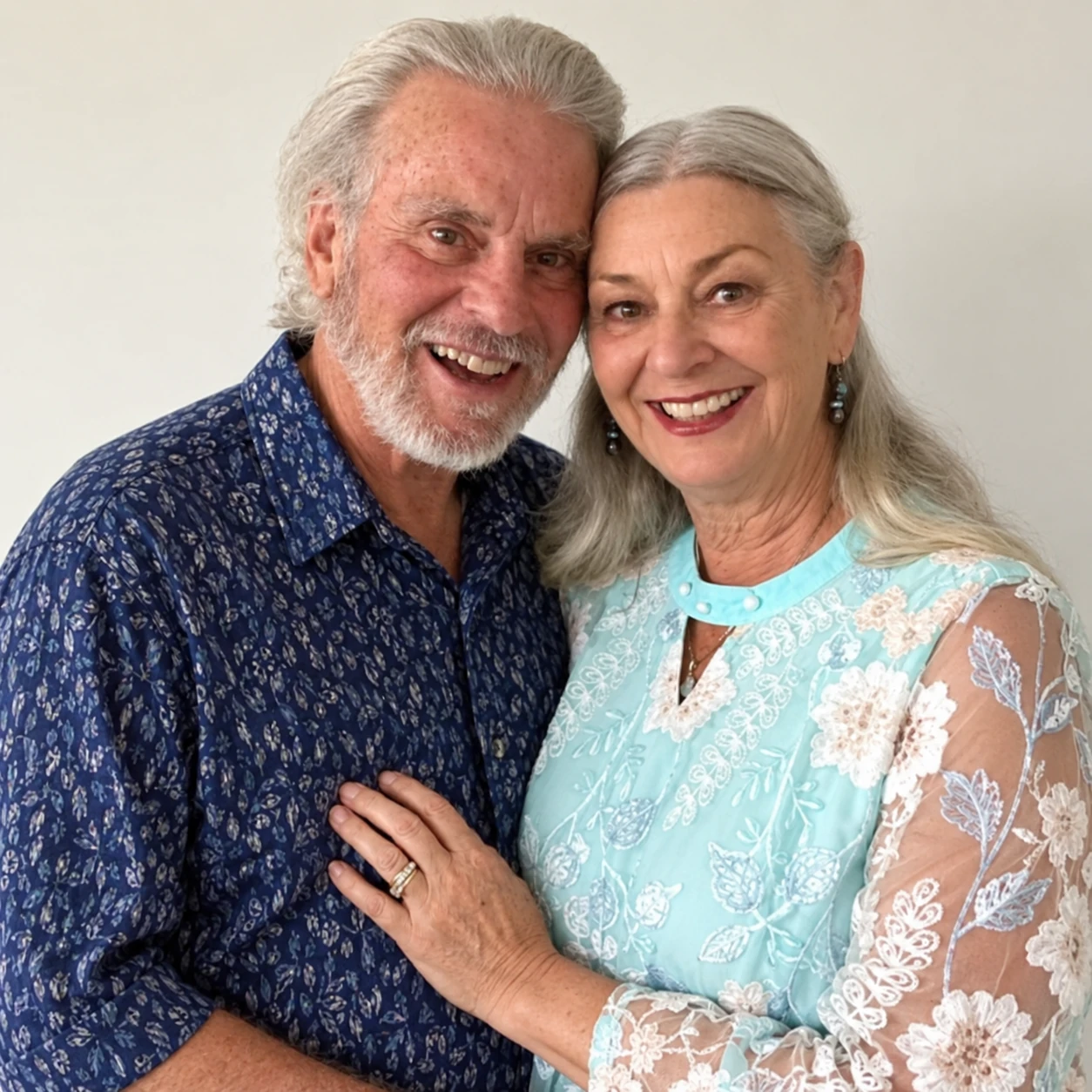
Keith Blessing and his wife, Di, were seriously wounded during the June incident at their rural property in Torrington, about 65 kilometres south-west of Tenterfield. Police alleged that a 34-year-old man entered the home after midnight and stabbed both residents before leaving the house and attempting to return.
Mr Blessing, himself wounded in the abdomen, called Triple Zero and retrieved a legally held firearm. Police alleged that he fired one shot at the man as the alleged intruder tried to re-enter the property. All three people involved in the confrontation required hospital treatment.
Mr Blessing has not been charged over the shooting. At the time, senior police described his actions in positive terms, and Premier Chris Minns later called him a hero. His wife also said publicly that she believed his actions saved her life.
Three months later, Shooters, Fishers and Farmers MP Mark Banasiak told the NSW Parliament that the Firearms Registry had revoked Mr Blessing’s licence on the basis that he was no longer considered a fit and proper person to hold one.
The precise reasoning in the revocation notice has not been publicly released in full. That makes it important not to assume that the Registry has concluded Mr Blessing committed a criminal offence. Firearms licensing is an administrative process with a different legal test from criminal prosecution.
Under NSW law, a firearms licence can be revoked when the Commissioner of Police is satisfied that statutory grounds apply, including where a licensee is no longer considered fit and proper to possess firearms without danger to public safety or the peace. A revocation ends the person’s authority to possess or use firearms and requires firearms to be surrendered.
NSW Police guidance also distinguishes revocation from suspension. A suspension is temporary while an issue is assessed; a revocation removes the existing licence. Certain revocation decisions can be challenged through internal review and, depending on the ground, further review pathways may be available.
Mr Banasiak has argued that the decision is inconsistent with the public praise Mr Blessing received after the home invasion. He has used the case to renew his push for legislation commonly described as “Castle Law”, which would provide stronger statutory protection for people who use force against intruders in their homes.
That proposal is politically contested. NSW law already recognises self-defence, including the defence of another person and, in some circumstances, property. The legal question generally turns on whether the person believed the conduct was necessary and whether the response was reasonable in the circumstances as the person perceived them.
A Castle Law model can go further by creating specific presumptions or immunities for force used against an unlawful intruder. Supporters say homeowners should not have to second-guess themselves during a violent break-in. Critics argue that broad immunity can encourage escalation, make criminal investigations harder and create unnecessary risks in situations that are not clear-cut.
The Blessing case is especially potent because the factual allegations involve an elderly couple being attacked inside their own home. Police alleged that Di Blessing was stabbed in the chest and Keith Blessing was wounded in the abdomen. Their daughters later described the incident as deeply traumatic for the family.
The alleged intruder was charged with serious offences arising from the incident. Those charges remain allegations unless and until proven in court. The criminal case against him is separate from any administrative decision affecting Mr Blessing’s firearms licence.
That separation can be difficult to understand from the outside. A person can be uncharged, or even found to have acted lawfully in self-defence, and still face a licensing decision because firearms law asks an additional question about ongoing suitability to possess guns.
Conversely, a firearms licence revocation does not by itself establish that the person acted unlawfully in the incident that prompted the review. Licensing authorities can consider risk, circumstances and future suitability in ways that do not require proof beyond reasonable doubt.
NSW has tightened firearms regulation following a series of security and public-safety concerns. Reforms that began taking effect in late 2025 and 2026 increased oversight of licensing and permits, reduced maximum licence terms and strengthened checks around eligibility and firearm acquisition.
The state’s firearms system is deliberately precautionary. Unlike a criminal court, which punishes proved offences, a licensing system is designed to decide whether a person should continue to have access to weapons. That often means the threshold for regulatory action differs from the threshold for conviction.
The question now is whether the Registry applied that precautionary approach fairly in Mr Blessing’s case. Without the full notice and supporting material, it is not possible to determine from public reporting alone why the Commissioner reached the decision.
Mr Banasiak says an internal review will be sought. NSW Police guidance confirms that reviewable firearms decisions can be reconsidered through the Firearms Registry’s Case Management Unit. If the review succeeds, a licence can be reinstated and firearms returned subject to the applicable requirements.
The controversy has also exposed a wider debate about political rhetoric. When public officials praise a person as heroic after an emergency, that praise does not bind the Firearms Registry. The Registry is required to apply the law and licensing criteria independently of political comments.
At the same time, the appearance of contradiction is obvious. A government can celebrate a person for protecting a spouse and later defend an administrative system that removes the same person’s access to firearms. Explaining the legal distinction clearly will be important if the government wants the public to understand the outcome.
For rural residents, the case also touches on practical concerns about police response times and personal security. Torrington is a very small community, and people living on isolated properties can be a significant distance from immediate emergency assistance.
That reality does not remove the need for firearm regulation, but it shapes the way rural communities think about self-defence, licensed firearms and the responsibility of homeowners during a violent intrusion.
The debate should also avoid assuming that every home invasion will resemble the Blessing case. Encounters can involve mistaken identity, intoxication, family conflict, unarmed intruders or people attempting to flee. Rules designed around the most extreme cases can produce unintended consequences in less clear situations.
For now, the central facts are that Mr Blessing was a licensed firearm holder at the time of the alleged home invasion, he has not been charged over the shooting, and his licence has since been revoked through an administrative process that can be reviewed.
Whether that decision survives review will determine the immediate outcome for Mr Blessing. The wider political fight over Castle Law will continue separately, with supporters arguing for stronger protection for householders and opponents insisting that existing self-defence law and strict firearms regulation remain necessary safeguards.
The case has become a powerful symbol because it brings those two systems into direct contact: the law that allows people to defend themselves in an emergency, and the licensing law that determines who may continue to possess a firearm afterwards.