A fresh opinion article has reignited debate about whether Australia’s political journalism has become too heavily focused on cultural and social issues while failing to hold governments sufficiently accountable for long-term economic performance.
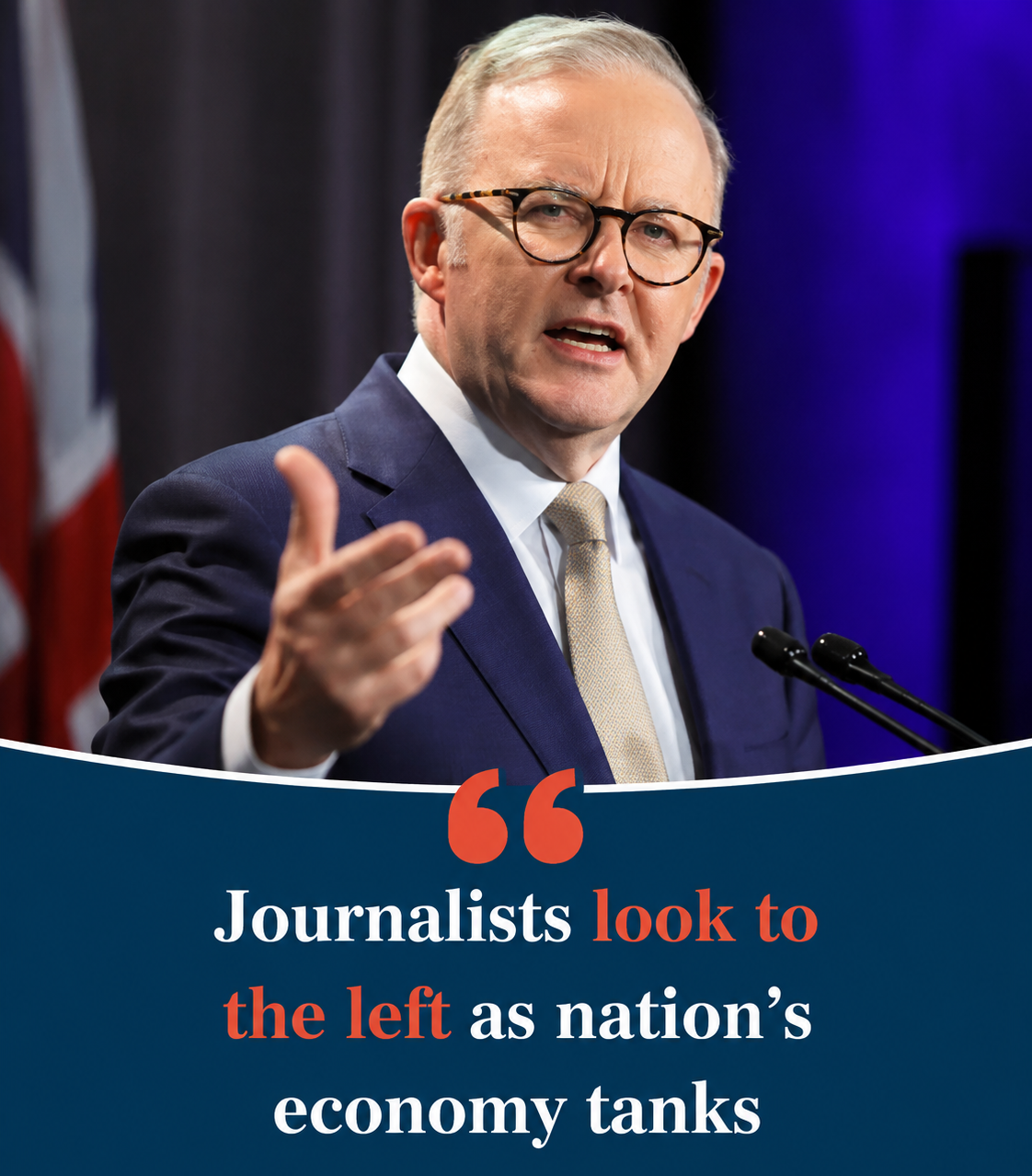
The commentary argues that much of Australia’s political media has increasingly prioritised identity politics, social controversies and partisan conflict ahead of deeper discussion about productivity, taxation, investment, regulatory reform and the structural challenges affecting the national economy.
According to the opinion piece, this emphasis has allowed governments of different political persuasions to avoid sustained scrutiny over policies that have contributed to slowing productivity growth and weaker living standards.
The author contends that while debates surrounding race, gender, culture and social policy regularly dominate political headlines, Australia’s longer-term economic performance has received comparatively less attention than it deserves.
Central to the argument is the claim that journalism plays an important role in shaping political priorities.
If media attention consistently rewards symbolic political disputes rather than economic reform, governments may have fewer incentives to pursue difficult policy changes that involve political risk but potentially deliver long-term national benefits.
The article suggests that Australia’s economic challenges—including weak productivity growth, rising government expenditure, housing affordability pressures and declining business investment—have not received the sustained political focus required to drive meaningful reform.
The commentary points to concerns expressed by several economists and former policy advisers that Australia has entered a prolonged period of declining productivity growth despite favourable natural resources, relatively stable institutions and strong population growth.
Those concerns have increasingly featured in wider public discussion as households continue facing elevated living costs and slower growth in real incomes.
Recent commentary from venture capitalist Misha Saul similarly argued that Australia risks squandering long-term economic advantages unless governments undertake structural reforms addressing productivity, taxation, regulation and investment. Economists including Shane Oliver and Roger Montgomery have also highlighted productivity as one of the country’s most significant long-term economic challenges.
The opinion article further argues that many political journalists have framed the recent rise of minor parties, including One Nation, primarily through debates surrounding immigration and cultural identity while paying less attention to the economic dissatisfaction driving many voters.
According to the author, concerns about declining living standards, housing affordability, stagnant productivity and pressure on household finances may provide a more complete explanation for changing voting behaviour than cultural issues alone.
That assessment reflects one side of an ongoing public debate.
Other political analysts argue that social policy, identity issues and questions of democratic values remain legitimate subjects of political reporting because they directly influence legislation, elections and public life.
Many journalists also reject suggestions that economic reporting has been neglected, pointing to extensive coverage of inflation, interest rates, taxation, federal budgets, housing affordability and cost-of-living pressures across Australia’s major news organisations.
The relationship between political journalism and public policy has long been contested.
Supporters of the opinion article argue that political reporting too often rewards short-term controversy, leadership speculation and daily political conflict rather than sustained examination of complex economic reforms whose benefits may take years to emerge.
Critics respond that governments themselves frequently choose to campaign on cultural or symbolic issues, making those debates naturally newsworthy.
The article also revisits the legacy of major economic reforms undertaken during previous decades.
Australia’s most significant structural reforms—including financial deregulation, tariff reductions, competition policy and tax reform—often required sustained public debate and bipartisan political leadership before they were implemented. Those reforms are widely regarded by economists as having reshaped Australia’s economy over several decades, although many were politically contentious at the time.
Today, economists continue to identify several areas where further reform may improve Australia’s long-term economic performance.
These commonly include productivity, workforce participation, taxation, infrastructure planning, regulatory efficiency, housing supply, energy policy and innovation.
While experts frequently disagree about the best policy solutions, there is broad recognition that productivity growth remains a critical driver of future living standards.
The federal government has acknowledged productivity as an important policy priority and has argued that initiatives supporting innovation, competition and investment are intended to strengthen long-term economic performance.
Treasury has also defended Australia’s recent economic record by pointing to comparatively resilient GDP growth despite challenging global conditions, while recognising that structural reforms remain important over the longer term.
The opinion piece nevertheless argues that political incentives remain misaligned.
It suggests governments often find it easier to engage in highly visible debates over cultural issues than to pursue politically difficult economic reforms involving taxation, spending restraint or productivity improvements.
According to the author, media coverage can unintentionally reinforce those incentives by rewarding immediate political conflict over long-term policy analysis.
The discussion also raises broader questions about the role of journalism in democratic societies.
Political reporting serves multiple functions simultaneously: scrutinising governments, informing voters, investigating misconduct, analysing policy and reflecting public concerns.
Determining the appropriate balance between economic analysis and coverage of social issues is therefore likely to remain contested.
Different news organisations inevitably make different editorial judgments regarding which stories deserve prominence, reflecting varying audiences, editorial philosophies and news values.
As Australia approaches another period of significant political debate over productivity, housing affordability, government spending and economic competitiveness, the relationship between journalism and public policy is likely to attract continued attention.
Whether political reporting should devote substantially greater attention to long-term economic reform remains a matter of opinion.
What is increasingly clear, however, is that questions surrounding productivity, living standards and Australia’s future economic direction are becoming more prominent in national political discussion, alongside the cultural and social issues that have dominated many recent political headlines.






