Fresh criticism has emerged over Pauline Hanson’s leadership style after a former One Nation insider accused the party of tightly controlling media access, discouraging candidates from giving interviews and limiting unscripted public scrutiny.
The criticism came from former One Nation representative Sarah Game, who argued that political leaders should welcome difficult questions from journalists rather than avoid them.
In a public statement, Game claimed she believed it was “worse” that One Nation candidates were effectively required to remain silent and decline media interviews. She argued that political representatives should engage openly with their communities because regular conversations with voters and journalists improve accountability and help elected representatives better understand local concerns.
Game contrasted that approach with her own experience as a candidate, saying candidates do not need to be experts on every issue provided they have access to party policy, specialist advisers and factual information when preparing for interviews.
She said open engagement with the media should be viewed as part of the democratic process rather than something to be avoided.
Among her strongest criticisms was the claim that One Nation’s internal culture concentrated decision-making around Pauline Hanson.
Game alleged that the party operated under a leadership model that gave Hanson extensive control over candidates’ public communication and suggested that voters ultimately lose when elected representatives are discouraged from speaking independently.
She also criticised what she described as a reluctance by Hanson to face unscripted questions from journalists, arguing that political leaders should not fear media scrutiny because accountability is an essential part of representative democracy.
These remarks represent Game’s opinions and criticisms of the party rather than established findings.
The comments come during a period of heightened attention on One Nation’s relationship with the media.
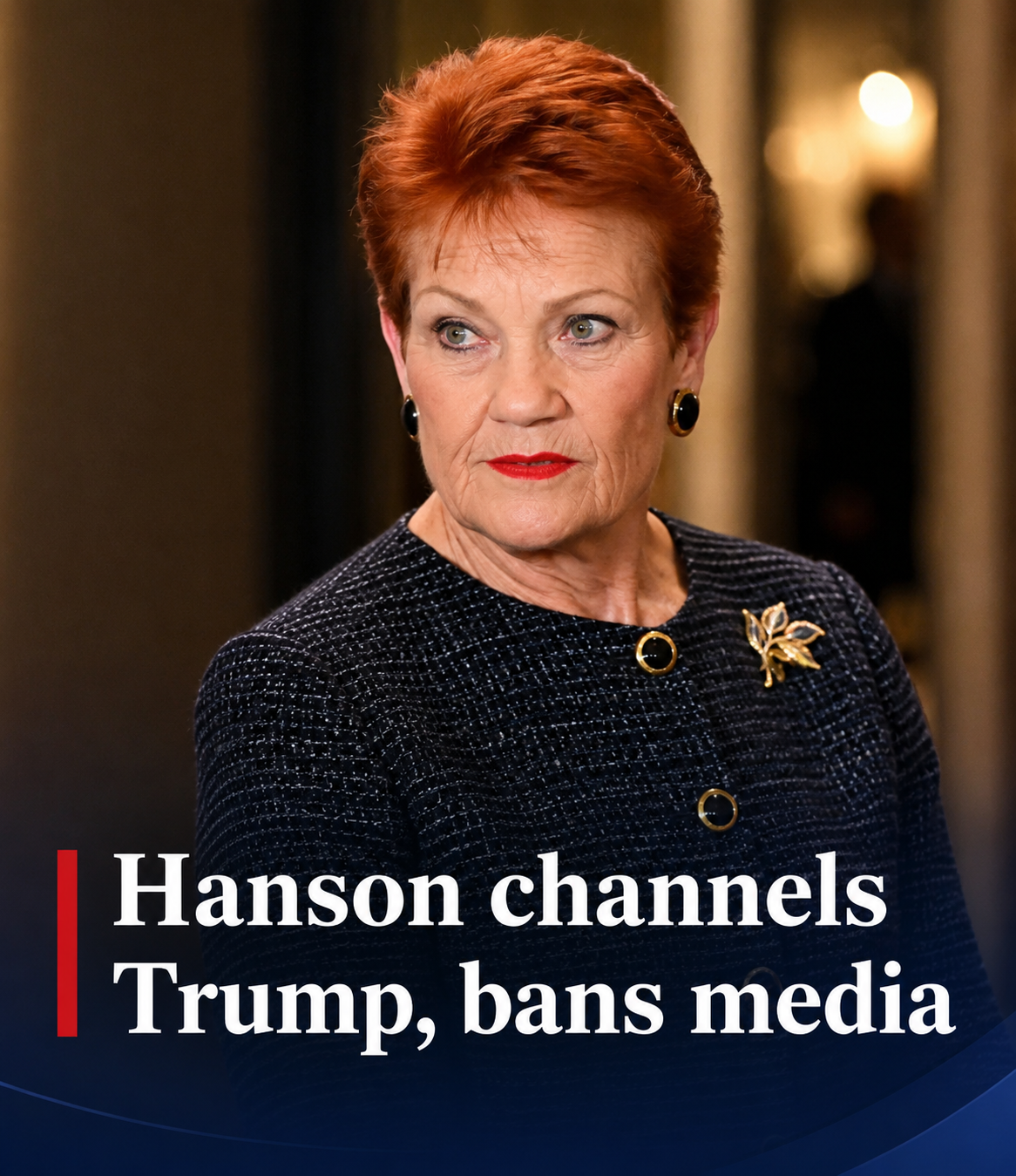
In recent weeks Pauline Hanson announced that several media organisations, including the ABC, The Guardian and The Age, would be excluded from attending certain One Nation campaign events, accusing those outlets of unfair coverage. The decision generated widespread debate about press freedom, political access and the role of journalists in covering election campaigns.
Media commentators and press freedom advocates argued that while political parties are generally free to decide who attends campaign events, restricting access for established news organisations can reduce opportunities for public scrutiny and independent questioning.
Some observers suggested the exclusions reflected a broader strategy of communicating primarily through friendly media outlets and the party’s own digital platforms rather than engaging with a wide range of journalists.
Supporters of One Nation, however, have defended the party’s approach.
They argue Hanson has frequently accused sections of the mainstream media of political bias and believes some organisations report unfairly on the party’s policies and candidates.
One Nation has increasingly relied on social media, livestreams, podcasts and directly produced online content to communicate with supporters, reducing its dependence on traditional media interviews.
Hanson herself has repeatedly argued that direct communication allows voters to hear her policies without what she describes as editorial filtering by major news organisations.
The debate also highlights a broader question confronting many modern political parties.
Digital platforms now allow leaders to reach millions of voters without relying on traditional press conferences or newspaper interviews. Critics argue this reduces independent scrutiny because politicians can largely control both the questions and the messaging.
Supporters counter that social media enables politicians to communicate more directly with voters while bypassing media organisations they believe present issues unfairly.
Game rejected that argument, maintaining that democracy functions best when candidates are willing to answer unexpected questions and explain their positions publicly.
She argued that strong candidates should not require carefully scripted appearances because genuine engagement with journalists and constituents demonstrates confidence and accountability.
The comments have renewed discussion about internal party governance.
Political analysts have often noted that One Nation operates with a highly centralised organisational structure in which Pauline Hanson remains the dominant public figure and principal spokesperson.
Supporters say that model has helped maintain consistent messaging across the party, while critics argue it leaves limited scope for candidates to develop independent public profiles.
The exchange also follows months of heightened attention on One Nation as opinion polls indicate growing support for the party amid debates over migration, housing affordability and the cost of living.
With that increased prominence has come greater scrutiny of the party’s campaign practices, candidate selection and engagement with the media.
At the time of publication, One Nation had not publicly responded specifically to Game’s latest criticisms regarding candidate interviews or internal communication rules.
The party has previously defended its broader media strategy, arguing that it remains committed to communicating directly with Australians while challenging what it sees as unfair treatment from sections of the mainstream press.
Whether the latest criticism influences public opinion remains uncertain.
For supporters, the party’s disciplined messaging may be viewed as an effective campaign strategy.
For critics, however, the allegations have revived longstanding questions about transparency, openness and the role of independent media scrutiny in Australian politics.






