A proposal to substantially increase the maximum permitted residue levels of the pesticide isocycloseram on several popular berry varieties has sparked a heated national debate, with health advocates urging Australian regulators to adopt a more precautionary approach while authorities insist the proposed limits remain safe for consumers.
The proposal, released by the Australian Pesticides and Veterinary Medicines Authority (APVMA) as part of a public consultation process, would significantly increase the Maximum Residue Limits (MRLs) for isocycloseram on raspberries, blackberries, blueberries, currants, strawberries and cranberries. Depending on the fruit, the proposed increases range from around 70-fold to as much as 500-fold compared with the current legal limits.
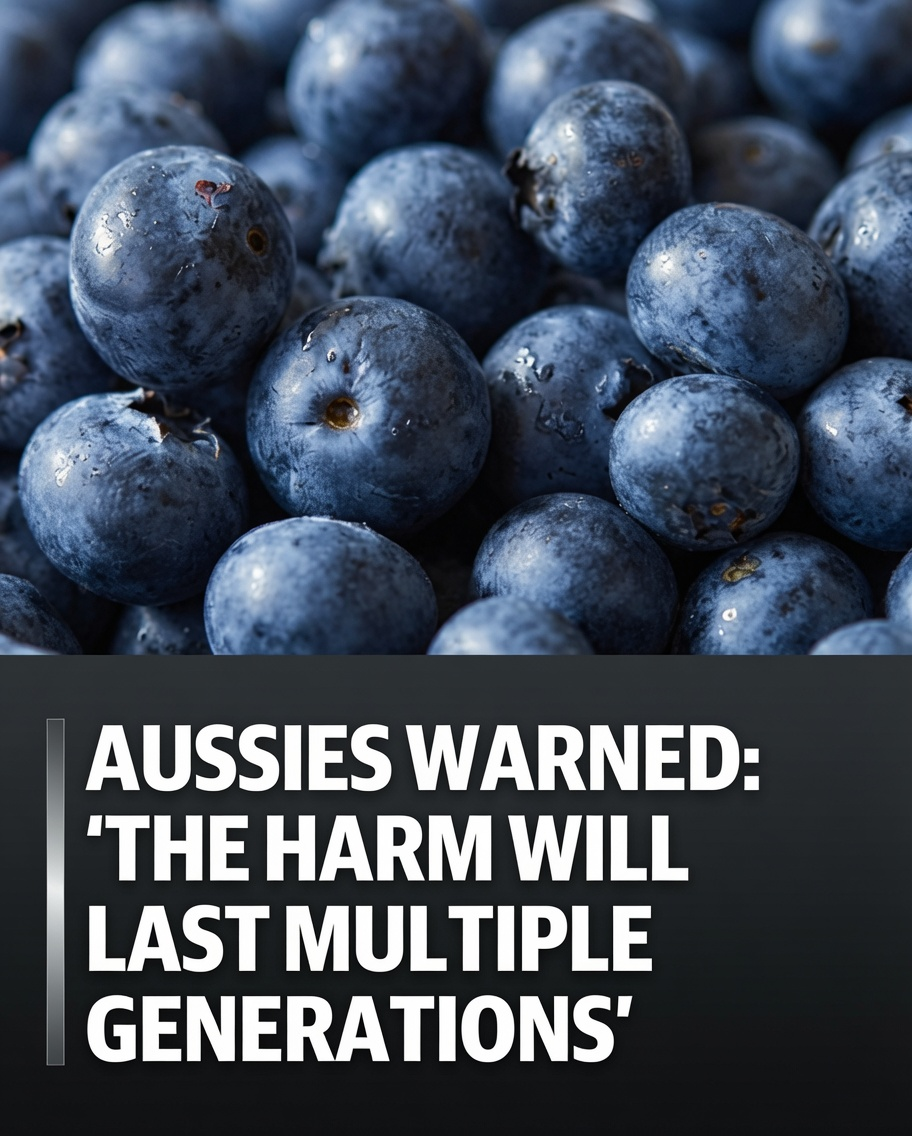
The announcement has generated strong reactions from nutrition experts, consumer advocates and environmental groups, who argue that Australia should be reducing exposure to synthetic chemicals rather than increasing allowable residue levels on foods frequently consumed by children.
Pediatric nutritionist Mandy Sacher described the proposal as “truly crazy”, saying regulators should focus on minimising chemical exposure wherever possible.
“We should be doing everything we can to reduce pesticide and chemical exposure, especially when children today have been exposed to far more synthetic chemicals than previous generations,” she said.
Sacher argued that more independent research was needed into the cumulative effects of multiple synthetic chemicals in the food supply, noting that consumers are exposed to a combination of pesticides rather than individual substances in isolation.
“It’s not just about one chemical,” she said. “We don’t know cumulatively what this impact is in the body.”
Much of the concern centres on the fact that isocycloseram belongs to the PFAS family of chemicals, often referred to as “forever chemicals” because they break down very slowly in the environment.
Critics also point out that isocycloseram has not been approved for agricultural use in the European Union or the United Kingdom, where regulators have generally adopted a more precautionary approach to PFAS-related substances.
Campaign group Pesticide Action Australia has been among the strongest opponents of the proposal.
Executive Director Josh Davis warned that Australia should not become what he described as “the human experiment the rest of the world learns from”.
“We need to be getting forever chemicals out of our food—not increasing the amounts allowed,” he said, calling for PFAS pesticides to be progressively removed from Australia’s food chain.
Concerns raised by campaigners refer in part to toxicology studies submitted during the regulatory approval process. Those studies found that laboratory rats exposed to very high doses of isocycloseram experienced adverse effects including liver toxicity, reproductive changes and birth defects in foetuses.
However, those studies involved exposure levels substantially higher than the trace residues permitted on food under the proposed Australian standards. Regulators emphasise that toxicological testing intentionally uses high doses to identify potential hazards before calculating large safety margins for human exposure.
The APVMA has strongly defended its proposal, stressing that Maximum Residue Limits are not health limits.
According to the regulator, an MRL simply represents the highest residue expected when a pesticide is used correctly according to approved agricultural directions.
The authority said consumer safety assessments assume people consume treated foods every day over an entire lifetime while incorporating a 100-fold safety factor.
“The assessment showed no safety concern,” an APVMA spokesperson said.
“Maximum Residue Limits are not health limits. They sit far below the level that would raise a health concern for consumers.”
The regulator added that dietary exposure modelling used Australian food consumption data together with internationally accepted toxicological standards before concluding that the proposal would not create unacceptable health risks.
The controversy comes only weeks after another APVMA decision attracted national attention.
In June, the regulator decided to continue allowing the herbicide paraquat to remain registered for use in Australia, albeit with tighter restrictions, despite the chemical being banned in more than 70 countries because of concerns over possible links to Parkinson’s disease.
That earlier decision prompted criticism from health advocates and some independent politicians, who argued Australia was lagging behind international regulatory trends. The latest debate over isocycloseram has revived broader questions about how Australia’s chemical approval system balances agricultural productivity with precautionary public health principles.
Industry groups have urged consumers not to panic.
The National Farmers’ Federation said Australia’s chemical approval process is based on rigorous scientific assessment conducted independently by the APVMA.
Farm representatives warned that public misunderstanding of the proposal could unnecessarily damage confidence in Australia’s berry industry, which has experienced significant growth over the past decade.
According to Berries Australia, national berry production has expanded from around $567 million in 2013 to approximately $1.3 billion in 2024, making berries one of Australia’s fastest-growing horticultural sectors. Australians also consume roughly one kilogram of blueberries per person each year, among the highest rates globally.
Food safety experts note that pesticide residue limits are reviewed regularly as farming practices evolve and new scientific evidence becomes available.
Increasing an MRL does not necessarily mean growers will apply larger quantities of pesticide. Rather, it often reflects updated agricultural use patterns, residue trial data or revised analytical methods used to measure extremely small chemical concentrations.
Public consultations on the proposal recently concluded, with submissions received from industry bodies, consumer organisations, health professionals and members of the public.
The APVMA will consider those submissions before determining whether to adopt the proposed residue limits or make changes to the draft proposal.
In the meantime, experts continue recommending that consumers wash fresh fruit thoroughly before eating it.
Professor Ravi Naidu from the University of Newcastle said rinsing berries can help reduce surface pesticide residues, although it may not remove chemicals that have penetrated the fruit during growing.
For most Australians, health authorities continue to encourage regular consumption of fresh fruit, including berries, because the well-established nutritional benefits significantly outweigh the known risks associated with legally regulated pesticide residues.
The debate nevertheless highlights a broader policy question facing regulators worldwide: how to balance modern agricultural productivity, international trade and food affordability against growing public concern over long-term exposure to persistent environmental chemicals.
As Australia considers whether to adopt the proposed changes, the discussion has expanded well beyond berries alone, becoming part of a larger national conversation about chemical regulation, public confidence in food safety and the role of the precautionary principle in protecting future generations.






