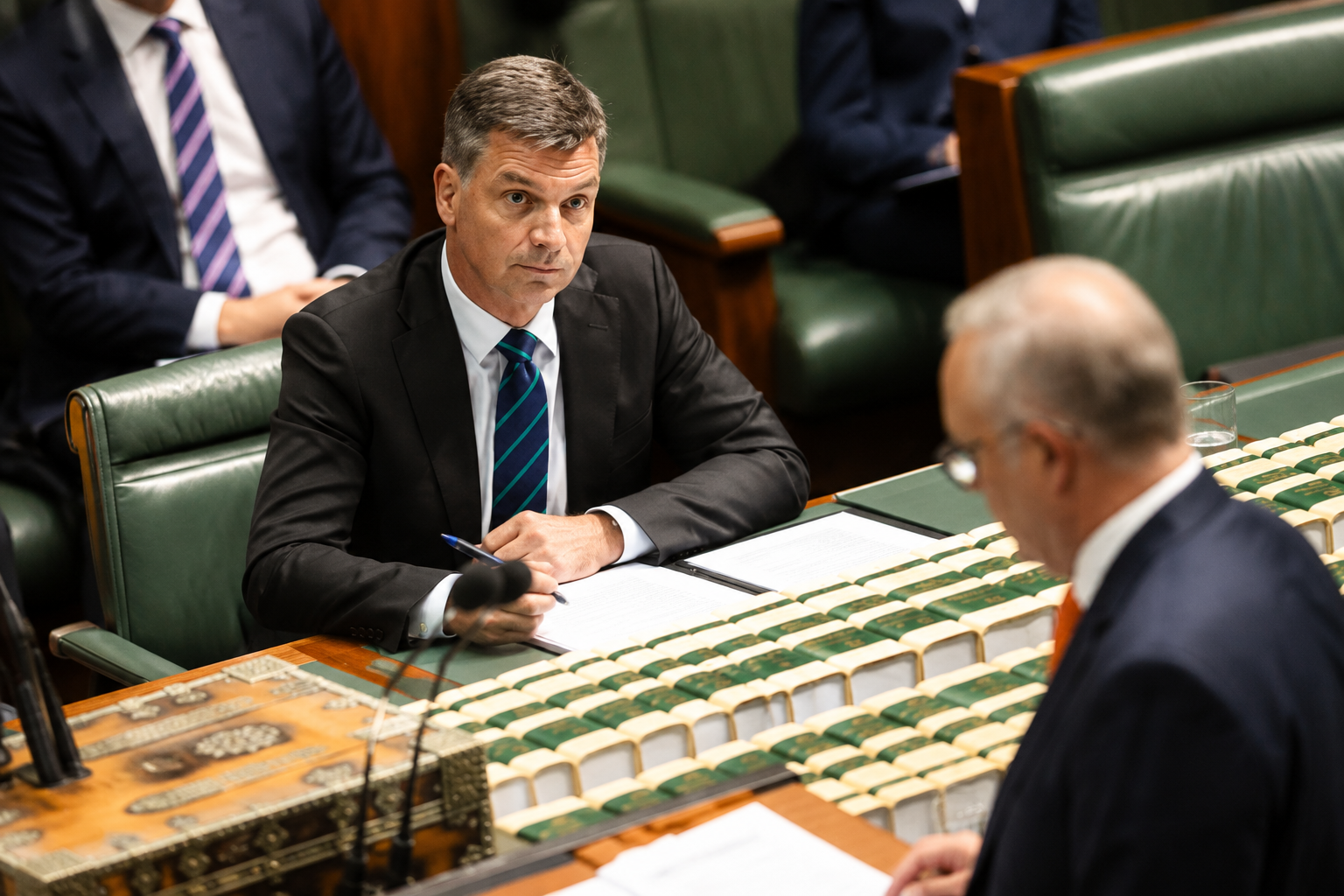
Tax reform remained one of the dominant issues in Australia’s Parliament as Coalition MPs used Question Time to intensify scrutiny of the Albanese government’s changes to capital gains tax and negative gearing.
The exchanges reflected an ongoing political dispute that has continued since the federal budget, with both sides presenting sharply different views about how Australia’s tax system should support housing affordability, investment and long-term economic growth.
During Question Time, Coalition MPs challenged Labor ministers over the government’s decision to proceed with changes to capital gains tax concessions and negative gearing. Opposition members argued that the reforms departed from previous election commitments and questioned whether the measures would discourage private investment, reduce rental housing supply and place additional pressure on Australia’s housing market.
The Albanese government defended the reforms, maintaining that the existing tax settings had contributed to rising house prices and made it increasingly difficult for younger Australians to enter the property market. Ministers argued that encouraging investment in newly built housing rather than established dwellings would improve housing supply over time while making the tax system more equitable.
The parliamentary debate comes after Labor secured passage of key elements of its tax package through negotiations in Parliament. While some concessions and implementation details were adjusted during the legislative process, the government has continued to describe the reforms as an important structural change designed to improve long-term housing affordability rather than deliver short-term political benefits.
The Coalition has continued opposing major aspects of the package, arguing that confidence and policy stability are critical for investment decisions. Opposition figures contend that unexpected changes to long-standing tax arrangements may influence investor behaviour and reduce incentives for private capital to support housing and business investment. They have also called for greater parliamentary scrutiny of the reforms and their potential economic consequences.
Outside Parliament, economists and industry groups remain divided. Some analysts believe reducing tax concessions for existing investment properties could gradually improve opportunities for first-home buyers. Others caution that housing affordability depends on a much wider range of factors, including planning approvals, construction costs, interest rates, population growth and the overall supply of new homes. As a result, the long-term impact of the reforms remains the subject of ongoing debate.
Business organisations and investor representatives have also expressed differing views. Some industry groups argue that the revised rules may discourage investment in certain sectors, while others acknowledge that increasing housing supply and improving affordability are legitimate public policy objectives. Several organisations have called for continued consultation as implementation of the reforms progresses.
Political analysts note that taxation has become one of the defining issues of the current parliamentary term. Together with housing affordability and the cost of living, tax policy has featured prominently in debates between the government and opposition, with each side presenting competing approaches to addressing Australia’s economic challenges.
The government maintains that the reforms are intended to deliver benefits over many years rather than produce immediate changes in housing affordability. The Coalition, meanwhile, argues that the measures risk creating unintended consequences for investment and confidence. Those competing perspectives are expected to remain central to parliamentary debate as implementation of the tax package continues.
As Parliament approaches the winter recess, Question Time continues to provide a forum for both sides to test their competing economic narratives. Whether the reforms ultimately achieve the government’s stated objectives or validate the opposition’s concerns will become clearer only as their long-term effects on housing, investment and the broader economy emerge.






