A man who followed a woman into a deserted underground hotel car park in Canberra and violently sexually assaulted her has been sentenced to five years in jail, with the ACT Supreme Court praising the victim’s repeated attempts to resist and fight him off.
Lal Ro Puia, 31, was sentenced after pleading guilty to sexual assault in the second degree, burglary with intent to cause harm and an act of indecency without consent over the November 2025 attack at a hotel on Northbourne Avenue. Justice Andrew Muller imposed a total sentence of five years’ imprisonment with a non-parole period of two years and nine months, making Puia eligible for parole in August 2028.
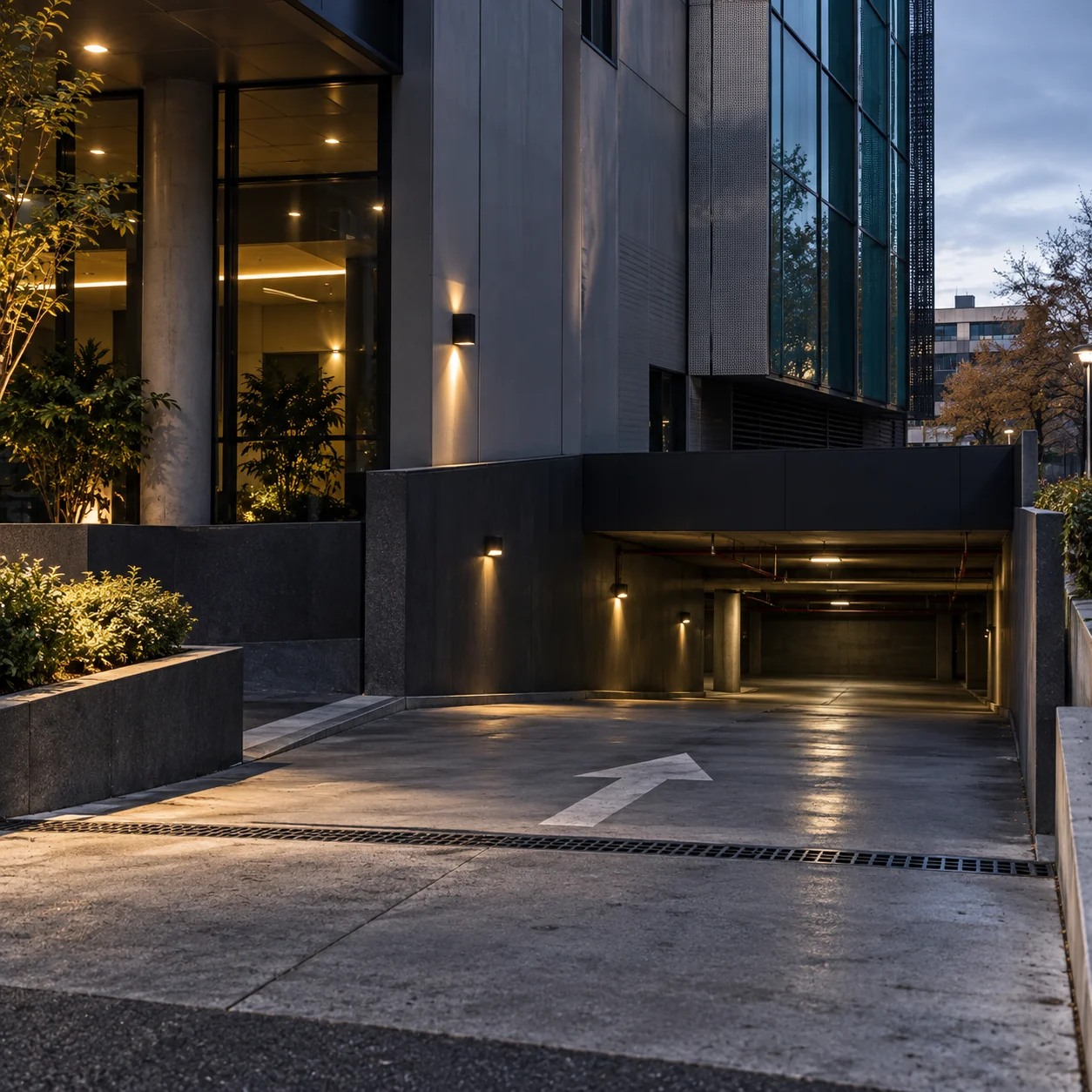
The offending began after the woman, who was visiting Canberra, drove into the underground car park of the hotel where she was staying. According to the court material and reporting by the ABC and Region Canberra, Puia had followed her into the car park without her noticing. When she stopped her vehicle and opened the door, he was standing nearby.
Puia initially asked the woman for money, food and a hug. She refused. He then grabbed her around the waist and the encounter escalated into a violent attack. The court heard he pushed her to the ground, attempted to remove her clothing and forced her head into the concrete several times while she resisted.
The woman continued fighting back throughout the assault. She struck Puia with her car keys as he tried to remove his own clothing, and the confrontation ended when he stood up, adjusted his clothes and left. She then called emergency services.
CCTV captured the attack and the victim’s resistance
A central part of the prosecution case was CCTV footage from the car park. Justice Muller said one of the compelling features of the footage was the woman’s determination to resist whenever she had an opportunity to do so. Her efforts became an important part of the sentencing account because the recording showed both the violence of the attack and the extent of her attempts to protect herself.
In a victim impact statement, the woman described the shock, fear and hopelessness she experienced as the incident unfolded. As the violence intensified, she feared that she might be killed. The court’s published sentencing material reflects the seriousness of those consequences while also recording the legal factors the judge was required to consider when fixing the sentence.
Puia’s guilty plea reduced the amount of time the victim would otherwise have had to spend preparing for a contested trial. The judge allowed a 25 per cent discount for the pleas, although prosecutors had argued the case against him was strong enough that he should receive little benefit. The defence disputed that characterisation, pointing to questions around identification evidence and the absence of DNA evidence.
Justice Muller ultimately concluded the prosecution case was not so overwhelming that the usual benefit for a guilty plea should be denied. The judge noted that, at the time Puia entered his pleas, a psychologist’s report had not yet been available and that he had previously been found unfit to plead in a separate Victorian matter because of mental impairment.
Court considered mental illness, homelessness and substance misuse
The sentencing hearing also examined Puia’s personal history. The court heard he had experienced significant mental illness, homelessness and substance misuse. Region Canberra reported that Puia was born in Myanmar and came to Australia with his family as refugees in 2008, when he was 13.
Those circumstances were relevant to sentencing, but they did not excuse the offending. Courts are required to weigh an offender’s personal circumstances alongside the seriousness of the crime, the harm caused to the victim, the need for punishment, community protection and both general and specific deterrence.
Justice Muller’s published decision records that the psychological material pulled in more than one direction. Mental illness can reduce an offender’s moral culpability in some circumstances, particularly where symptoms materially affect judgment or behaviour. At the same time, an ongoing illness that is difficult to manage outside a structured environment can increase the importance of supervision and treatment when the offender eventually returns to the community.
The judge said a lengthy period of supervision after release offered the most likely path for Puia to reach a point where he no longer presented a threat to women. Justice Muller also observed that improvement in custody through regular medication and reduced access to illicit substances would not necessarily mean the underlying illness had resolved or that Puia would be able to manage it safely in the community without support.
Puia had been refused bail shortly after the attack. In November 2025, the ABC reported that prosecutors described the incident at the bail stage as a random attack on a woman who did not know him. The case then proceeded through the ACT courts before Puia ultimately entered guilty pleas. By the time of sentencing, the court was dealing with admitted offending rather than deciding whether the allegations had been proved at trial.
The distinction between the bail hearing and the final sentence is important. Early court proceedings often contain allegations and competing arguments that have not yet been tested or admitted. The September 2026 sentencing decision, by contrast, set out the offences to which Puia had pleaded guilty and the facts the judge accepted for the purpose of imposing punishment.
The ACT Supreme Court has published the matter as DPP v Puia [2026] ACTSC 352. The court’s summary identifies the offences as burglary with intent to cause harm, sexual assault in the second degree and an act of indecency without consent, and records that the sentencing exercise considered the psychological evidence, the strength of the prosecution case, specific deterrence, imprisonment and lengthy supervision in the community.
Sentence includes years of supervision beyond custody
The five-year head sentence does not mean Puia will automatically be released at the first possible parole date. A non-parole period establishes the earliest point at which release can be considered. Whether parole is granted depends on the relevant legal and administrative process, including an assessment of risk and the conditions considered necessary for community safety.
If Puia is released on parole, supervision can include requirements designed to support treatment and reduce the risk of further offending. The sentencing remarks made clear that the judge viewed continued structure and monitoring as important parts of the response to the case.
The case also illustrates why sentencing decisions can differ from the headline prison term alone. Judges must consider the statutory purposes of sentencing, the offender’s plea, the circumstances of the offending, the victim’s harm, prospects of rehabilitation and the period of supervision that will follow any release from custody.
For the victim, however, the legal process followed a sudden attack in a place where she had every reason to expect personal safety. She had driven into a hotel car park while visiting Canberra and was confronted by a stranger shortly after getting out of her vehicle. The court’s account shows that she resisted from the beginning and continued doing so despite being pushed to the ground and repeatedly assaulted.
Justice Muller’s description of those efforts as courageous was one of the clearest themes in the sentencing decision. The CCTV did more than identify what happened; it recorded the woman’s persistence in defending herself through an ordeal that, according to her impact statement, left her fearing she would not survive.
Puia remains in custody under the five-year sentence. With the non-parole period set at two years and nine months, he will become eligible to seek parole in August 2028, subject to the normal parole process and any conditions imposed at that time.