Australia’s latest federal budget reforms have triggered an increasingly heated debate, with critics arguing that several key policy changes were poorly designed and implemented too quickly, while the Albanese government maintains the measures are necessary to strengthen the nation’s finances and improve long-term housing affordability.
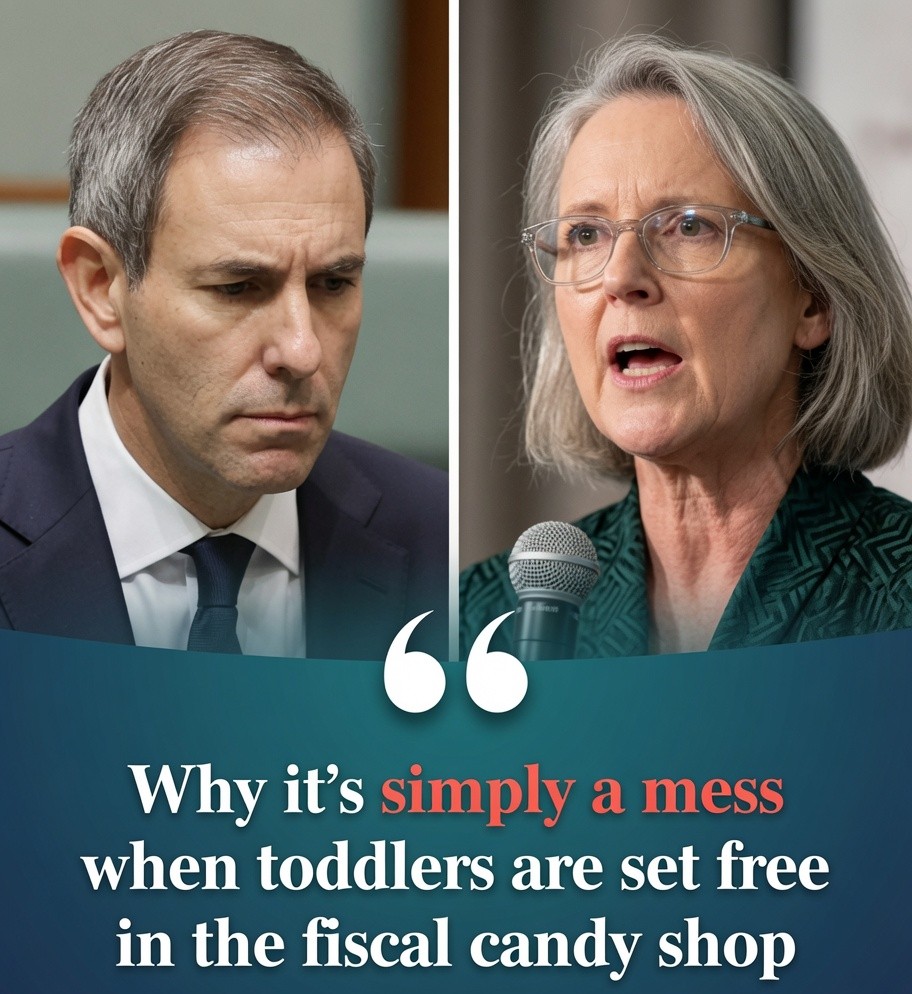
The criticism has focused particularly on changes affecting property investment, capital gains tax arrangements and broader revenue measures announced as part of the government’s latest budget strategy.
Opponents argue that the reforms were introduced without fully considering their impact on investor behaviour, housing supply and state government finances. They contend the package has created uncertainty in the property market at a time when Australia is already experiencing significant affordability pressures.
Several economists and industry representatives have questioned whether the changes will achieve their stated objectives. Analysis of the government’s modelling suggests the reforms may deliver only a relatively modest increase in home ownership while potentially reducing new housing construction over the coming decade. Critics also warn that reduced market activity could weaken important state revenue streams such as stamp duty and land tax.
Another concern raised by opponents is that the reforms create different tax outcomes for existing and future investors. Some argue the transitional arrangements may unintentionally favour current property owners while making it more difficult for younger Australians to build wealth through investment.
Property groups have also expressed concern that reduced investment incentives could place additional pressure on the rental market if fewer investors choose to purchase or build rental properties. They argue Australia needs more housing supply rather than policies that may discourage private investment.
The Albanese government rejects those criticisms.
Ministers argue the existing tax settings have contributed to decades of rising house prices, making home ownership increasingly unattainable for many younger Australians. They say reforming long-standing concessions is intended to improve fairness within the tax system while directing housing demand towards owner-occupiers rather than speculative investment.
The government also maintains that the budget seeks to place Australia’s finances on a more sustainable footing over the medium term. Treasury has pointed to growing spending pressures associated with health care, aged care, the National Disability Insurance Scheme and defence, arguing additional revenue measures are required alongside expenditure restraint.
Political debate has intensified because the reforms arrive during a period when Australians remain highly sensitive to cost-of-living pressures.
Higher mortgage repayments, elevated rents, insurance premiums and grocery prices continue to dominate public concern, leaving any policy affecting household finances under close scrutiny. Business groups have warned that uncertainty surrounding tax changes can influence investment decisions well beyond the property sector.
Supporters of the reforms counter that delaying structural tax reform would only allow existing affordability problems to worsen. They argue Australia’s tax system should evolve as economic conditions change and that governments cannot indefinitely avoid politically difficult decisions simply because reforms attract opposition.
Independent economists note that the ultimate impact of the budget changes will depend on several factors beyond tax policy alone. Interest rates, population growth, housing supply, labour market conditions and global economic developments will all influence whether the reforms achieve their intended outcomes.
Fiscal experts also caution against judging the success or failure of major budget reforms immediately after their introduction. Large structural policy changes often take years before their full economic effects become apparent.
At the same time, they acknowledge that implementation is critical. Even well-designed reforms can produce unintended consequences if transition arrangements are unclear or if businesses and investors are given insufficient time to adjust.
The Parliamentary Budget Office has separately highlighted the longer-term challenge facing future governments. Australia’s fiscal outlook will increasingly depend on balancing tax revenue with rapidly growing expenditure while maintaining economic growth and competitiveness.
The debate therefore extends beyond the details of individual tax measures.
It reflects a broader question confronting Australian policymakers: how to improve housing affordability, maintain investor confidence, support economic growth and restore budget sustainability without imposing unnecessary costs on households already facing financial pressure.
For critics, the latest budget demonstrates the risks of introducing major reforms without sufficient consultation or detailed transition planning.
For supporters, it represents a long-overdue attempt to modernise Australia’s tax system and address structural problems that previous governments were unwilling to tackle.
As the reforms begin to take effect over the coming years, their success will ultimately be measured not by the political arguments surrounding their introduction but by whether they improve housing affordability, encourage sustainable investment and strengthen Australia’s long-term fiscal position.






