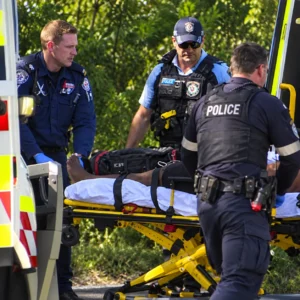
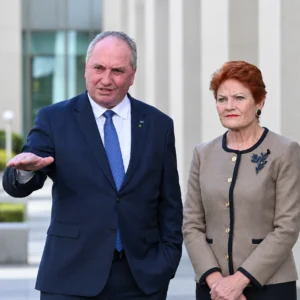
Australia is experiencing an unusually late rise in influenza cases, with several states reporting renewed activity as the country moves into spring and health authorities warn that the season may not be finished yet.
The increase is not a repeat of last year’s national record. Current reporting from the Australian Centre for Disease Control indicates influenza notifications in 2026 remain substantially lower than at the same point in 2025, when more than 1,700 Australians died from influenza — the highest number this century.
What is unusual this year is the timing. Several jurisdictions that had relatively subdued winter activity have recorded increases through late August and September, creating a later peak than many people expect from the traditional winter flu season.
The Australian Centre for Disease Control says national flu activity has increased but the rate of new cases has slowed in recent weeks. That may mean the country is approaching a national peak, although experts caution that influenza can move in waves and the exact timing cannot be predicted with certainty.
Royal Australian College of General Practitioners president Dr Michael Wright has warned that another peak is still possible. He has also stressed that vaccination can still be useful late in the season, particularly for people at higher risk of severe illness.
Last year’s season helps explain the caution. Australia experienced two influenza peaks in 2025, with the later wave associated with a strain that was not as well matched to the vaccine used earlier that year. The 2026 vaccine includes coverage for that strain, which Dr Wright says is one reason this year’s overall numbers are lower.
Queensland provides one of the clearest examples of the late shift. After relatively low flu activity earlier in the year, the state recorded about 3,435 influenza diagnoses in the latest week cited by current reporting.
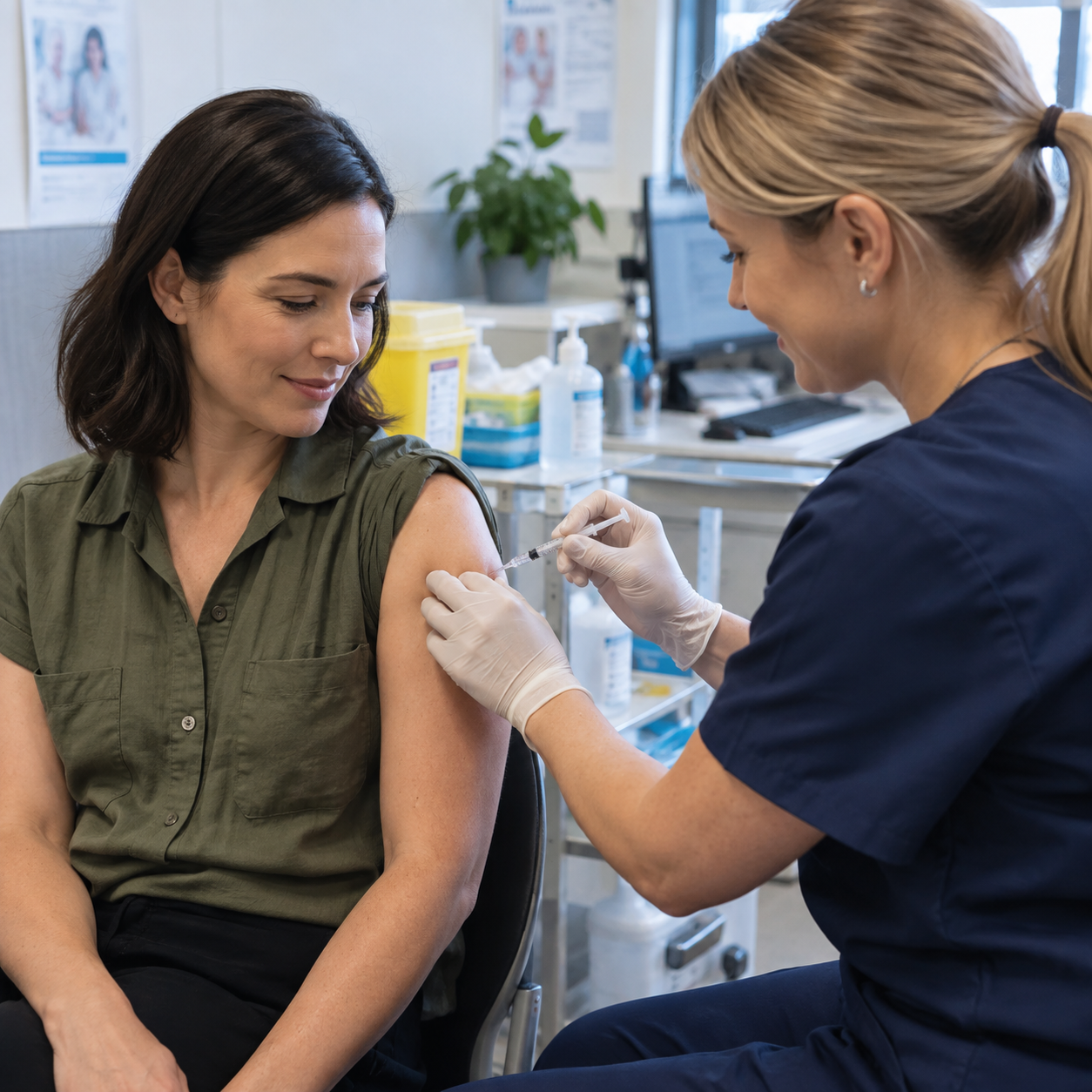
Queensland’s free flu vaccination program remains available until 30 September for residents aged six months and older. The state program covers people regardless of whether they have a Medicare card, although the separate nasal-spray program for children ended in August after its stock expired.
That means people seeking a vaccine late in September can still access the free injectable vaccine through participating GPs, pharmacies, community clinics and other providers while the state program remains open.
Victoria has also seen a sharp late rise. Influenza notifications there have increased by around 400 per cent over seven weeks, according to current reporting, while emergency departments have recorded a 25 per cent increase in acute respiratory infections over six weeks, with children accounting for much of that increase.
Victoria’s Chief Health Officer has said flu activity arrived later than in previous years and is expected to remain high through the coming weeks, including the school-holiday period.
New South Wales shows a slightly different pattern. Reported cases have started to decline but remain high, after an uptick around the end of August and beginning of September. South Australia had also warned earlier that its season could arrive late, while Tasmania has reported rising but still moderate activity.
Those differences are why a single national number can hide what people are experiencing locally. Influenza does not peak at exactly the same time in every state, and different communities can move through the season at different speeds.
It is also important to distinguish laboratory-confirmed notifications from the total number of people who have flu. Many people with influenza are never tested, while testing practices can vary depending on age, severity, access to care and whether a person is admitted to hospital.
Health agencies therefore look at several indicators, including laboratory notifications, hospital activity and community symptom surveys. FluTracking Australia’s latest report, covering the week ending 13 September, indicated self-reported respiratory illness had plateaued after a later-than-usual rise.
The late season does not mean influenza has suddenly become more dangerous than usual. The risk depends on the virus strain, a person’s age and health, vaccination status and other factors. But a spring increase can catch people off guard because many assume flu risk disappears once winter ends.
People at higher risk of complications include young children, older adults, pregnant people, Aboriginal and Torres Strait Islander people and those with chronic heart, lung or immune-system conditions. Health authorities recommend that higher-risk people seek medical advice early if they develop significant flu symptoms.
Annual vaccination remains the main preventive measure recommended by health authorities. Influenza viruses change over time, which is why the vaccine is updated and recommended each year rather than treated as a once-off immunisation.
Vaccination does not guarantee a person will avoid every infection, but it is intended to reduce the chance of severe disease and complications. The effectiveness of a season’s vaccine can vary depending on how closely the selected strains match the viruses circulating in the community.
The 2026 season is a useful reminder that timing is not fixed. Before the COVID-19 pandemic, an early-September national peak was not necessarily unusual, according to the Australian Centre for Disease Control. The very regular winter pattern many Australians expect has shifted in different ways across recent years.
International travel, population behaviour, school terms, weather and the mix of circulating respiratory viruses can all influence transmission. COVID-19-era changes also disrupted the normal circulation of influenza for several seasons, making year-to-year comparisons more complicated.
For households, the practical message is less dramatic than the phrase “late flu surge” can sound. People should not assume the season is over, especially where local cases are rising, but the national 2026 picture remains better than the severe 2025 season.
Basic infection-control measures can also reduce spread. Staying home when acutely unwell, covering coughs and sneezes, washing hands and avoiding close contact with vulnerable people while sick can help limit transmission of influenza and other respiratory viruses.
People with severe symptoms, breathing difficulty or other signs of serious illness should seek medical care. Those at higher risk may also need earlier clinical advice because antiviral treatment can be more useful when started promptly in appropriate cases.
The public-health challenge in a late season is attention. By September, vaccination campaigns are less visible and many people have shifted their focus away from winter illness. Rising case numbers can therefore spread through workplaces, schools and families before people realise influenza is active again.
Queensland’s program deadline adds another practical date. Free state-funded flu vaccination for all Queensland residents is scheduled to finish on 30 September, although people eligible under the National Immunisation Program continue to have separate access under that program.
The key point is that the current rise should not be mistaken for a national record or evidence that 2026 is worse than last year. Available data indicate the opposite: overall influenza activity is lower than in 2025, but the season has arrived later in several jurisdictions and may still have more movement before it settles.
For Australians deciding whether flu is still relevant in spring, experts’ advice is simple: do not rely on the calendar alone. Check local activity, consider vaccination if you have not had it this year and seek medical advice if you are in a higher-risk group or become significantly unwell.