Prime Minister Anthony Albanese has defended his decision to miss this year’s Garma Festival, revealing he is recovering from the flu and preparing to take his first break of 2026 after what he described as months of uninterrupted work.
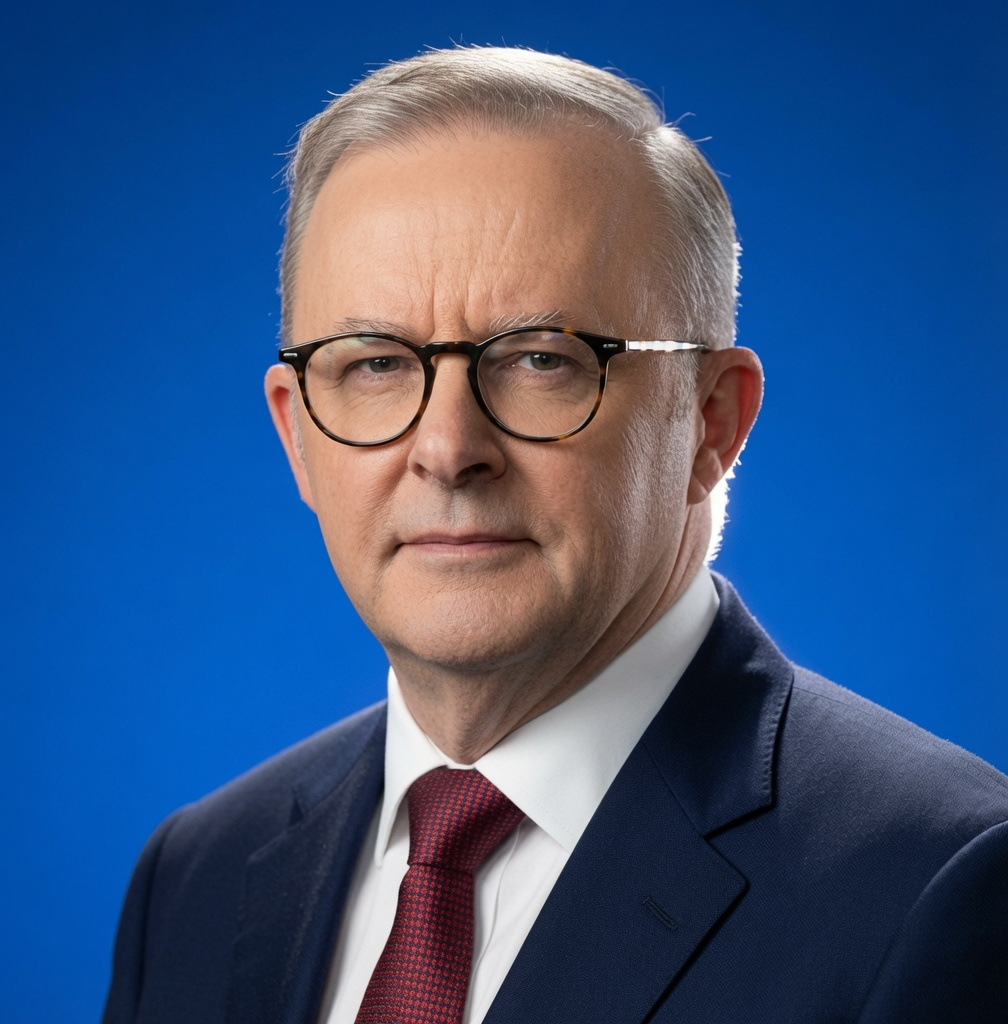
The Prime Minister made the comments during an interview with ABC Radio’s RN Breakfast, where host Hamish Macdonald questioned him about a previous commitment to attend the Garma Festival every year while serving as Prime Minister.
Albanese confirmed he would not travel to the annual Indigenous gathering in northeast Arnhem Land later this month because it coincides with planned personal leave.
“You know what, Hamish? I haven’t had a day off all year,” Albanese said.
Speaking with a noticeably hoarse voice, the Prime Minister disclosed he had been battling the flu while continuing to maintain a full official schedule.
“I’ve been to Garma. It’s a wonderful festival. I informed the people who operate Garma there, the wonderful Gumatj people, some time ago that I wouldn’t go because I will be on leave at that time.”
He added that despite feeling unwell, he had continued working because of a demanding calendar.
“Sometimes, speaking to you now with the flu I’ve had, you keep going. My diary is full, and it’s been a fully engaged time,” he said.
The decision represents the first time Albanese will miss the Garma Festival since becoming Labor leader in 2019 and later Prime Minister in 2022.
The annual festival, organised by the Gumatj people of northeast Arnhem Land, is Australia’s largest Indigenous cultural gathering and brings together First Nations leaders, politicians, academics, business executives and community representatives for several days of cultural events and national policy discussions.
Over the past decade, Garma has evolved into one of the country’s most influential public forums on Indigenous affairs.
Its significance increased further after Labor came to office in 2022.
Only months after winning the federal election, Albanese used his keynote address at Garma to announce his government’s commitment to hold a referendum on establishing an Indigenous Voice to Parliament.
The following year’s festival became a major platform for discussions surrounding the proposed constitutional change, attracting senior ministers, Indigenous leaders, academics and opposition representatives from across Australia.
Following the defeat of the referendum in October 2023, Albanese continued attending Garma, shifting the focus of his speeches towards practical measures aimed at improving outcomes for Indigenous Australians rather than constitutional reform.
During the ABC interview, Macdonald questioned whether failing to attend this year’s event amounted to breaking an earlier promise.
Albanese rejected that suggestion, arguing he had fulfilled his commitment over many years and deserved an opportunity to take leave after an exceptionally busy period in office.
He also revealed that organisers had been informed well in advance of his decision and said he would instead spend part of his leave visiting another remote community in the Northern Territory.
The Prime Minister’s most recent period of official leave was a five-day honeymoon with his wife, Jodie Haydon, in Palau last December following their marriage.
Before that, he took a one-week break in October, meaning he has had little extended personal leave during the first half of 2026.
The interview also revisited controversy surrounding a recent podcast appearance in which Albanese participated in a light-hearted “shag, marry or date” game and joked about celebrating South Sydney Rabbitohs victories with his wife.
Those comments attracted criticism from some observers, prompting Macdonald to ask whether Haydon had spoken to him about participating in such segments.
Albanese responded by acknowledging he had already dealt with the issue.
“There are two things that you need to do when you make a mistake. One is to apologise…” he began before the interview concluded for the news bulletin.
The exchange highlighted the balancing act facing modern political leaders, who increasingly appear on podcasts and less formal media platforms in an effort to connect with broader audiences.
While those appearances can humanise politicians, they also carry greater risks of off-the-cuff remarks generating headlines that overshadow government policy.
The Garma Festival itself remains one of the most closely watched events on Australia’s political calendar.
Held annually at Gulkula in northeast Arnhem Land, the four-day gathering combines Yolngu cultural ceremonies with discussions on education, economic development, health, constitutional recognition and Indigenous policy.
Political leaders from both major parties have attended the festival for many years, recognising its importance as a forum where First Nations communities engage directly with decision-makers.
For Albanese personally, Garma has become closely associated with his government’s approach to Indigenous affairs.
His absence this year therefore attracted attention not because attendance is compulsory, but because he had consistently appeared at every festival throughout his leadership of the Labor Party.
Government representatives have indicated ministers will continue engaging with Indigenous communities during the festival, even though the Prime Minister himself will be absent.
Despite criticism from some commentators, Albanese maintained that taking annual leave after months of continuous work should not be viewed as controversial.
His remarks suggest he sees the decision as a matter of personal wellbeing rather than political symbolism.
Whether his absence becomes a significant political issue is likely to depend on events at this year’s festival and the broader national debate surrounding Indigenous policy.
For now, however, the Prime Minister has made clear that recovering from illness and taking his first holiday of the year take priority over maintaining an attendance record that had stretched back to 2019.






