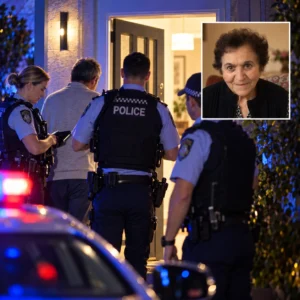
Two women accused of defacing Melbourne RSL buildings with anti-Anzac and anti-military graffiti are preparing to fight the charges, extending a case that has become a flashpoint over political extremism, protest, court suppression orders and the treatment of war memorials.
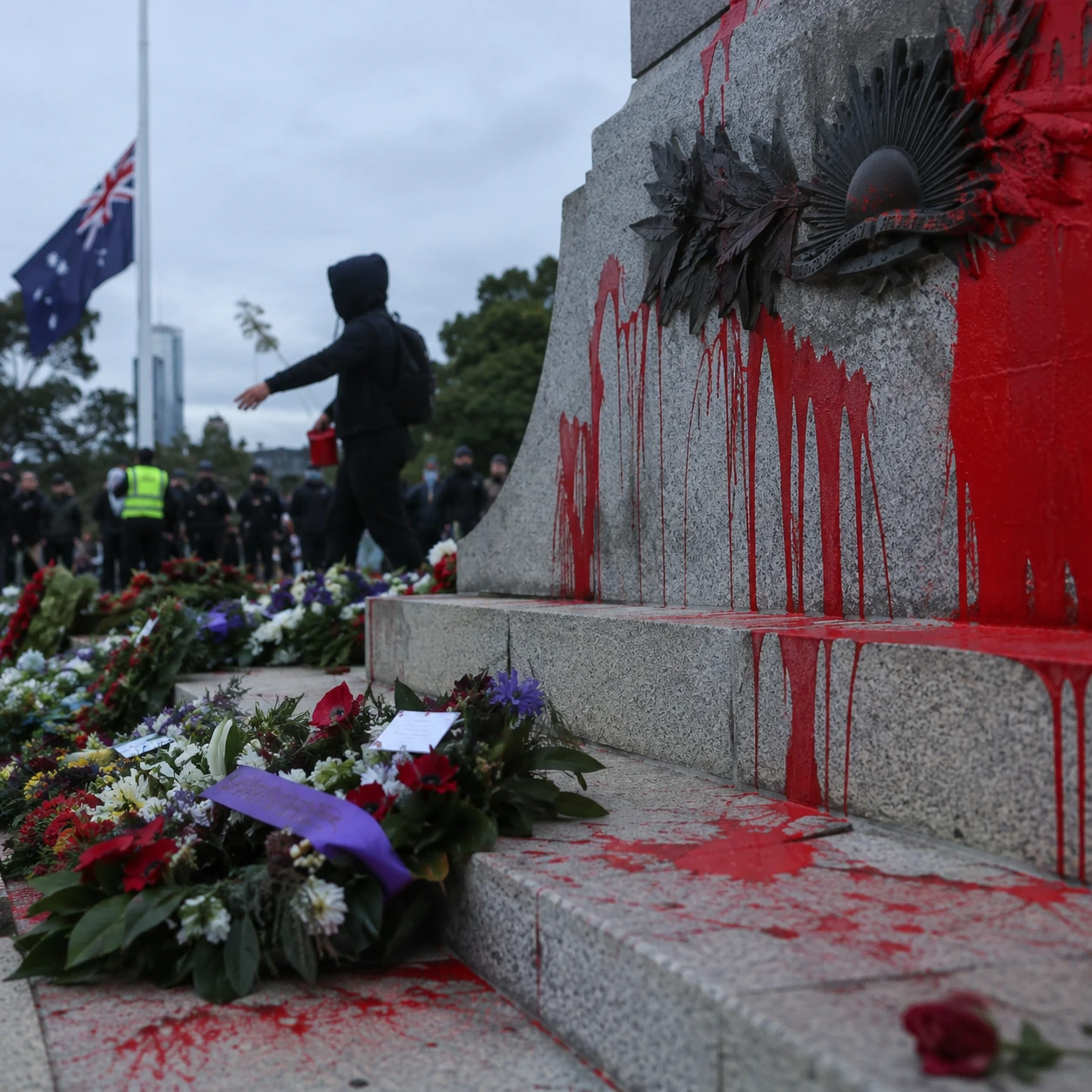
Edith Pope, 22, and Charlie Ann Tidmarsh, 20, are accused of vandalising the Heidelberg and Reservoir RSLs in the early hours of Anzac Day this year. Police allege the pair sprayed slogans including “F— the Anzacs”, “kill the troops” and “death to the ADF” on the buildings.
Both women face charges including criminal damage, graffiti offences and grossly offensive public conduct. They have not been convicted, and the allegations remain to be tested in court.
At a hearing in Heidelberg Magistrates’ Court this week, lawyers indicated the women intend to contest the charges. Public reporting says legal arguments are due to continue later this year, with a contested hearing expected next year if the matter is not resolved beforehand.
The case has attracted sustained attention because of the timing and content of the alleged vandalism. Anzac Day remains one of Australia’s most significant commemorative occasions, and RSL premises and war memorials carry a particular symbolic weight for veterans, families and local communities.
Police allege the Heidelberg RSL was targeted about 1.45am on April 25 and that the Reservoir RSL had been defaced earlier that night. The women were arrested after officers encountered them near the Heidelberg venue, according to court reporting.
Other Anzac-related sites in Melbourne were also damaged around the same period, including memorials and RSL facilities. Authorities have investigated whether incidents were connected, but each allegation needs to be treated according to the evidence in the relevant case.
The language painted on the buildings was deliberately provocative. Public photographs showed messages attacking the Australian Defence Force and the Anzac tradition, while RSL representatives described the damage as hurtful and divisive.
The response from the wider community was markedly different. Volunteers, veterans and residents rallied around affected clubs, and the vandalism was broadly condemned across the political spectrum.
The case has also become entangled in arguments over how the accused women should be described politically. Some outlets and commentators have labelled them “Antifa” or far-left extremists, drawing on their reported activist associations and the political content of the graffiti.
That characterisation should be treated carefully. “Antifa” is a loose label used for anti-fascist activism rather than a single registered organisation with a formal national membership list. Public court reporting establishes the charges against Pope and Tidmarsh and records political activism attributed to them, but it does not by itself prove membership of a specific organisation called Antifa.
That distinction matters because criminal proceedings are about the acts alleged and the evidence supporting them, not the political shorthand attached to defendants by supporters or critics.
The strongest verified facts are more straightforward: the women have been charged over alleged vandalism of RSL buildings, they are contesting the allegations, and the case remains before the court.
The proceedings have generated a second controversy over suppression orders. Earlier this year, a magistrate prohibited publication of images or likenesses of the accused until 12 months after the cases are finalised, after the court heard they had received threats and abuse online.
The order does not prevent their names from being reported, but it restricts publication of their images. The women have appeared at court wearing face coverings and, on earlier occasions, supporters used umbrellas and clothing to shield them from cameras.
Critics of the suppression decision have argued that open justice should normally allow defendants appearing in public court to be photographed and identified. Supporters of the order point to the court’s responsibility to manage genuine safety risks and prevent threats from interfering with the administration of justice.
The issue has been debated in Victoria’s parliament as well as in the media. Some MPs have used the case to argue for tougher penalties for attacks on war memorials and commemorative sites, while others have stressed that defendants remain entitled to due process no matter how offensive the allegations may be.
That principle is important in a case where public anger is high. The content of the alleged graffiti is plainly capable of causing deep offence, particularly to veterans and families who gather at RSLs and memorials to remember military service and loss. But the legal system still requires the prosecution to prove its case.
War memorial vandalism has become a broader political issue in Victoria. Other sites have been damaged in recent years with ideological slogans, prompting calls for stronger protection, increased surveillance and harsher penalties.
Opposition figures have argued that memorials should receive special treatment because they commemorate people who served and died in war. Existing laws already allow criminal penalties for property damage and graffiti, but the political debate centres on whether offences against commemorative sites should attract additional consequences.
There is also a wider argument about protest tactics. Australia protects strong political expression, including views that many people find offensive. That protection does not generally extend to damaging property. The distinction between lawful protest and vandalism is central to the current case.
A person can criticise the military, the Anzac tradition, Australian foreign policy or the history of colonisation without committing an offence simply because the view is unpopular. The legal problem arises when expression is alleged to involve criminal damage, unlawful graffiti or conduct that falls within specific statutory offences.
The defendants’ political beliefs, if relevant at all, may help explain alleged motive, but motive is not a substitute for proof of the conduct charged.
The case is also a reminder that political labels can harden faster than verified facts. Once an incident is described online as the work of “Antifa”, “extremists” or any other ideological camp, that framing can dominate discussion before a court has examined the evidence. News coverage has a responsibility to report the allegation, the political context and the defendants’ known public activity without turning a disputed label into a substitute for proof.
The case is therefore likely to remain contentious whatever the eventual outcome. For critics, it represents an attack on institutions they regard as sacred. For civil-liberties observers, it raises questions about suppression orders, media coverage and the risk of public punishment before a verdict.
The next stages of the case will also test whether the prosecution can connect particular acts of damage to particular defendants and establish the required mental elements for each offence. Those questions are more precise than the broader political arguments surrounding the case, and they will ultimately determine the legal outcome.
For the RSL community, however, the immediate concern is less abstract. Clubs targeted by graffiti had to clean and repair buildings on a day intended for remembrance, while members were confronted with slogans celebrating military deaths and attacking the people being commemorated.
That impact explains the strength of the reaction without requiring assumptions about the accused beyond what is before the court.
As the proceedings continue, the most responsible way to follow the story is to keep three things separate: the offensive nature of the alleged vandalism, the political interpretations attached to it, and the legal question of whether the prosecution can prove the charges against the two women.
The first is already visible in the photographs and reported slogans. The second remains a matter of argument. The third belongs to the court.