The Victorian Government has confirmed it will not cancel almost 20,000 outstanding COVID-19 infringement notices issued during the pandemic, rejecting calls to follow New South Wales in wiping remaining penalties and reigniting debate over one of the state’s most contentious chapters of the public health crisis.
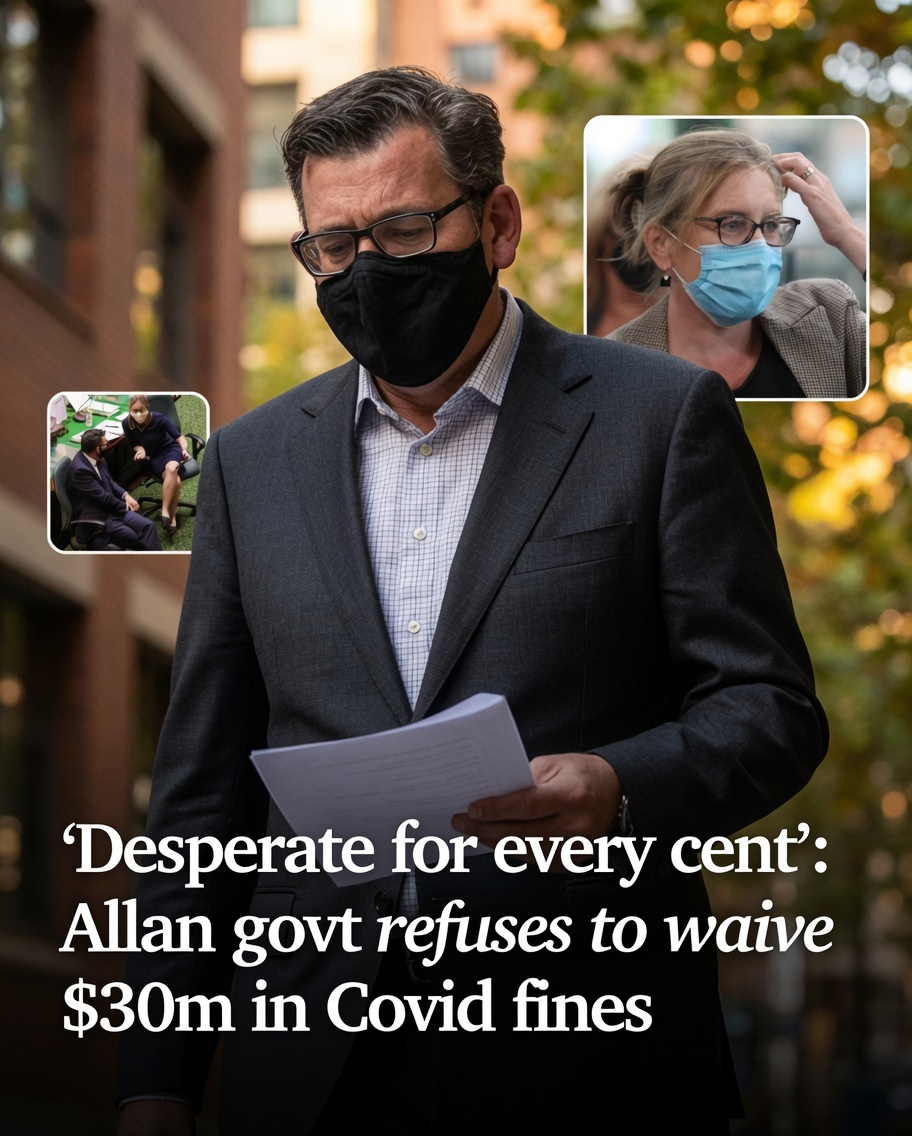
Nearly four years after Victoria’s final pandemic restrictions ended, around 20,000 COVID-related fines remain unpaid. The outstanding infringements cover offences ranging from failing to wear face masks to breaching gathering limits imposed under emergency public health directions between 2020 and 2022.
The Allan Government has made clear it has no intention of withdrawing the remaining debts.
A Victorian Government spokesperson said the public health directions introduced during the pandemic played an important role in protecting Victorians and that infringement notices issued under those laws remain valid.
“Like all fines registered with Fines Victoria, COVID-19 fines do not expire,” the spokesperson said.
“Fines Victoria will continue to enforce any that are outstanding.”
The government also said people experiencing financial hardship or special circumstances can access a range of payment arrangements and review mechanisms through Fines Victoria rather than having the penalties cancelled outright.
The decision stands in contrast to New South Wales, which completed the withdrawal of its remaining COVID-19 fines by the end of 2024 following legal reviews and agreed to refund people who had already paid eligible penalties.
That move has become a key point of comparison for Victorian critics, who argue the two states have taken markedly different approaches to resolving the long-running issue.
Victoria issued approximately 50,000 COVID-related infringement notices during the pandemic.
More than 70 per cent have since been paid, but roughly 30 per cent remain outstanding, with collection figures changing little over the past 18 months.
The limited reduction in unpaid fines has prompted questions about whether ongoing enforcement is achieving meaningful outcomes or simply leaving thousands of Victorians carrying debts years after the pandemic ended.
Victorian Opposition Leader Jess Wilson strongly criticised the government’s decision, arguing people had already endured extraordinary hardship during what was widely regarded as one of the world’s longest lockdown periods.
She said continuing to pursue unpaid fines served little public benefit.
“Labor’s pursuit of these fines is disgraceful and must come to an end,” Ms Wilson said.
She also accused the Allan Government of being “desperate for every cent they can get their hands on” by refusing to abandon the remaining debts.
The debate extends beyond politics into broader questions about fairness and proportionality.
Many of the remaining unpaid fines are understood to be owed by people experiencing financial hardship.
Community advocates have argued that Aboriginal Victorians, members of Sudanese and South Sudanese communities, and younger people with limited financial resources are disproportionately represented among those still carrying outstanding COVID-19 penalties.
Supporters of cancelling the fines argue that many infringement notices were issued during an unprecedented public health emergency characterised by rapidly changing rules and significant confusion.
They contend that withdrawing the remaining debts would acknowledge the exceptional circumstances of the pandemic while allowing affected individuals to move on without the burden of long-standing enforcement action.
Others also point to the legal uncertainty that surrounded some categories of COVID-19 fines in several Australian jurisdictions, where courts later questioned aspects of pandemic enforcement.
Those developments contributed to decisions by some governments to withdraw or reconsider outstanding infringement notices rather than continue lengthy legal disputes.
The Victorian Government, however, maintains that the public health measures introduced during the pandemic were necessary to protect the community at a time of significant uncertainty.
Victoria experienced multiple waves of COVID-19 infections and implemented extensive restrictions including mandatory face masks, stay-at-home orders, limits on gatherings, business closures and travel restrictions.
Government leaders at the time argued those measures were designed to reduce transmission and protect the state’s healthcare system.
Critics, meanwhile, argued that some restrictions went too far and imposed substantial economic, social and psychological costs on Victorian residents and businesses.
The legacy of those policies continues to shape political debate several years later.
COVID-19 fines became one of the most visible symbols of Victoria’s pandemic response because they directly affected thousands of individuals accused of breaching emergency health orders.
Depending on the offence, penalties ranged from approximately $200 for failing to wear a mask to almost $5,000 for more serious breaches such as unlawful gatherings or repeated non-compliance.
Legal experts note that unpaid infringement notices remain enforceable under Victoria’s existing fines framework unless they are withdrawn or overturned through established legal processes.
People experiencing hardship may be eligible for payment plans, work and development permits or applications based on special circumstances, depending on their individual situation.
Those options are intended to balance enforcement with recognition that some debtors may have limited capacity to pay.
The disagreement over the remaining fines also reflects broader differences in how Australian states have chosen to close the chapter on the pandemic.
While New South Wales opted to cancel outstanding COVID-related penalties after reviewing legal and administrative issues, Victoria has taken the position that lawful fines issued under valid public health directions should continue to be enforced.
Both approaches have attracted support and criticism from different sections of the community.
Supporters of Victoria’s position argue abandoning outstanding fines would undermine respect for laws that were introduced to protect public health during an emergency.
They contend that many Victorians complied with difficult restrictions and paid their fines where required, making it unfair to waive penalties only for those who have not yet paid.
Opponents counter that the pandemic was an extraordinary period unlike any other in modern Australian history and that continuing to pursue years-old debts serves little practical purpose while placing ongoing pressure on vulnerable people already facing cost-of-living challenges.
As Victoria approaches another state election, the fate of the remaining COVID-19 fines has once again become a political issue, illustrating how decisions made during the pandemic continue to influence public debate long after emergency restrictions have ended.
For now, however, the Allan Government’s position remains unchanged: the outstanding infringement notices will stay in place, and Fines Victoria will continue pursuing collection while offering flexible arrangements to those unable to pay immediately.






