The Albanese Government has announced an investment of more than $18.1 million to improve the health and wellbeing of LGBTIQA+ Australians, with the largest share of the funding dedicated to helping primary healthcare providers deliver what it describes as more inclusive and culturally safe care.
The funding package includes a $10 million voluntary national training program for general practitioners, nurses and other primary healthcare professionals. The initiative is intended to improve healthcare access for lesbian, gay, bisexual, transgender, intersex, queer and other gender and sexuality-diverse Australians by promoting healthcare environments the government says are safe, respectful and inclusive.
The training program will be delivered by a consortium led by La Trobe University’s Australian Research Centre in Sex, Health and Society (ARCSHS), working alongside New South Wales-based HIV and LGBTQ+ health organisation ACON, Victorian provider Thorne Harbour Health and technology company Portable.
According to the Department of Health, the project aims to improve the confidence and capability of healthcare providers while also helping LGBTIQA+ Australians locate services that meet their needs. Officials say earlier access to primary healthcare and preventive treatment can improve long-term health outcomes and reduce disparities experienced by some members of these communities.
Professor Adam Bourne, Director of ARCSHS, said improving access to inclusive primary care could encourage patients to seek medical attention earlier rather than delaying treatment because of previous negative experiences or concerns about discrimination.
“By improving access to inclusive primary care, the programme aims to encourage earlier intervention and preventive healthcare, improve health outcomes and help reduce health disparities experienced by these communities,” Bourne said. >
The announcement expands on an election commitment made by Labor in 2025, when it pledged $10 million to strengthen Medicare by improving access to culturally safe healthcare for LGBTIQA+ Australians. Following the government’s re-election, the program was expanded into the broader $18.1 million package announced this week.
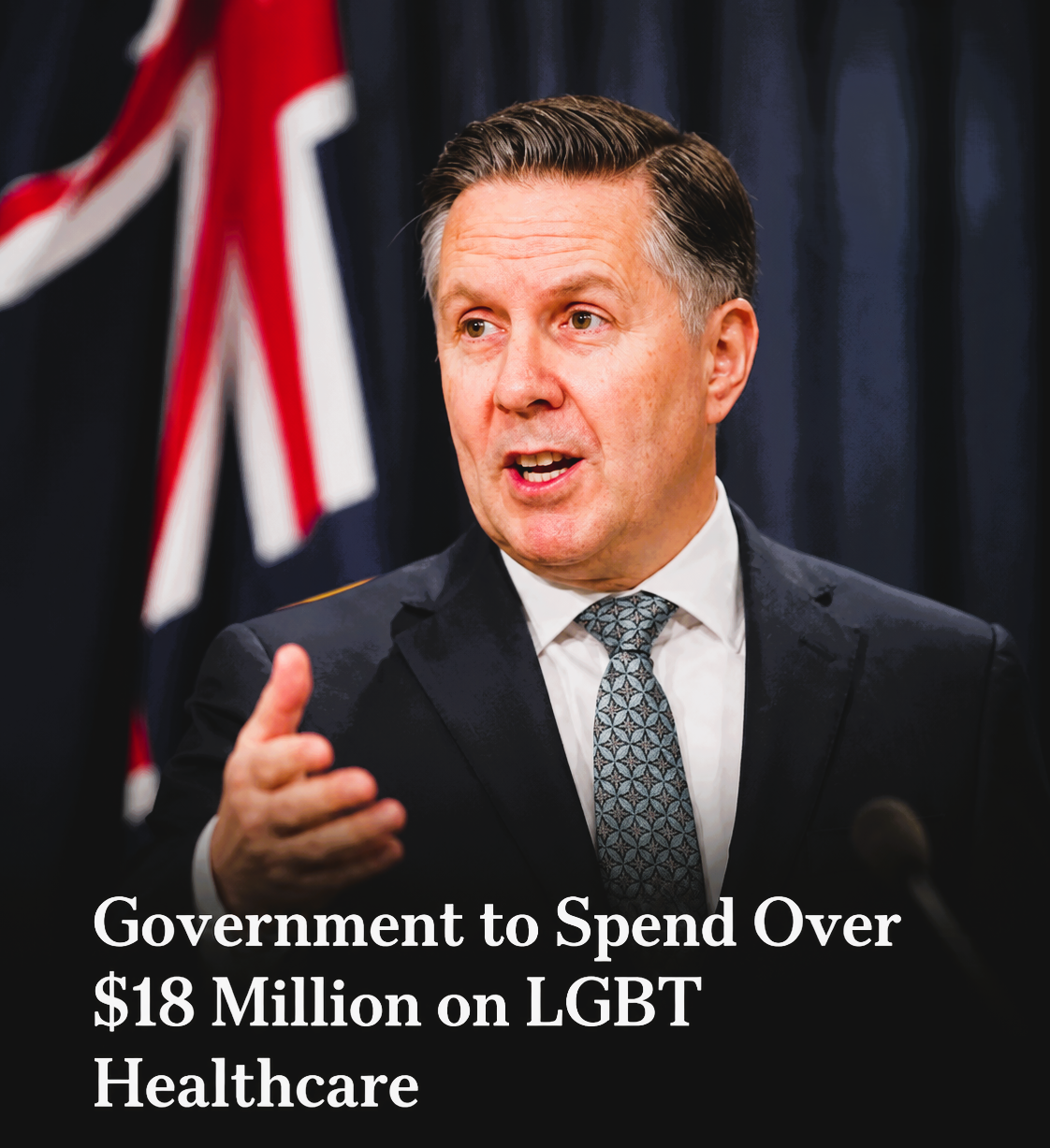
Health and Ageing Minister Mark Butler said the investment reflects the government’s broader objective of reducing health inequalities while ensuring more Australians can access primary healthcare regardless of their background or identity. The funding package also supports additional projects designed to improve health literacy, community wellbeing and service accessibility across Australia.
The latest announcement comes after the government opened Australia’s first National LGBTQIA+ Health Survey, which is intended to gather information about healthcare experiences, barriers to treatment and overall wellbeing among gender and sexuality-diverse Australians. The survey findings are expected to inform future health policy and service planning.
The investment also arrives amid broader national discussions about healthcare for transgender Australians.
Earlier, Mark Butler directed the National Health and Medical Research Council to review Australia’s clinical guidelines covering healthcare for transgender and gender-diverse children and adolescents. The review is intended to ensure Australian families have confidence that young people receive evidence-based and appropriate care.
The review followed increasing public debate over gender-affirming care across Australia, particularly after Queensland introduced restrictions on new prescriptions of puberty blockers and cross-sex hormones for minors within the state’s public health system pending further evidence reviews. While the federal funding announcement is separate from that review, both developments form part of the broader national conversation surrounding healthcare policy for transgender Australians.
Government figures have argued that many LGBTIQA+ Australians continue to experience poorer physical and mental health outcomes than the wider population because of discrimination, stigma, delayed treatment and barriers to accessing appropriate healthcare.
The Department of Health says the new initiatives are designed to improve patient confidence in the healthcare system while helping clinicians better understand the needs of diverse communities. Participation in the healthcare training program will be voluntary for providers rather than mandatory.
Supporters of the funding say better-trained healthcare professionals could improve communication between clinicians and patients, increase preventive screening and encourage people who have previously avoided medical services to seek care earlier.
However, the announcement is also likely to attract political scrutiny given the ongoing national debate surrounding public funding priorities and gender-related healthcare. Critics of some government policies have questioned whether taxpayer-funded programs should focus on specialised training initiatives or broader improvements benefiting the entire healthcare system, while supporters argue targeted investment is necessary where evidence suggests particular communities experience poorer access to care.
The $18.1 million package forms part of the Albanese Government’s broader health agenda, which includes continued investment in Medicare, public hospitals and preventive healthcare. Ministers say reducing health inequities remains an important objective alongside expanding access to frontline medical services across Australia.
Implementation of the new initiatives will begin through the selected consortium over the coming months, with the national training program expected to be rolled out across Australia as healthcare providers choose to participate.