An Australian woman accused of joining the Islamic State group and spending years inside territory controlled by the terrorist organisation has been refused bail for a second time, with a Sydney court ruling that the seriousness of the allegations outweighed arguments centred on her traumatic experiences in Syria.
Janai Samarra Safar, 32, has remained in custody since being arrested shortly after returning to Australia in May as part of a government-facilitated repatriation of women and children from refugee camps in north-eastern Syria.
Safar faces two Commonwealth terrorism charges. Prosecutors allege she knowingly became a member of the Islamic State organisation between 2015 and 2019 and unlawfully entered and remained in a declared conflict area in Syria for about two years. If convicted, each offence carries significant criminal penalties under Australia’s counter-terrorism laws.
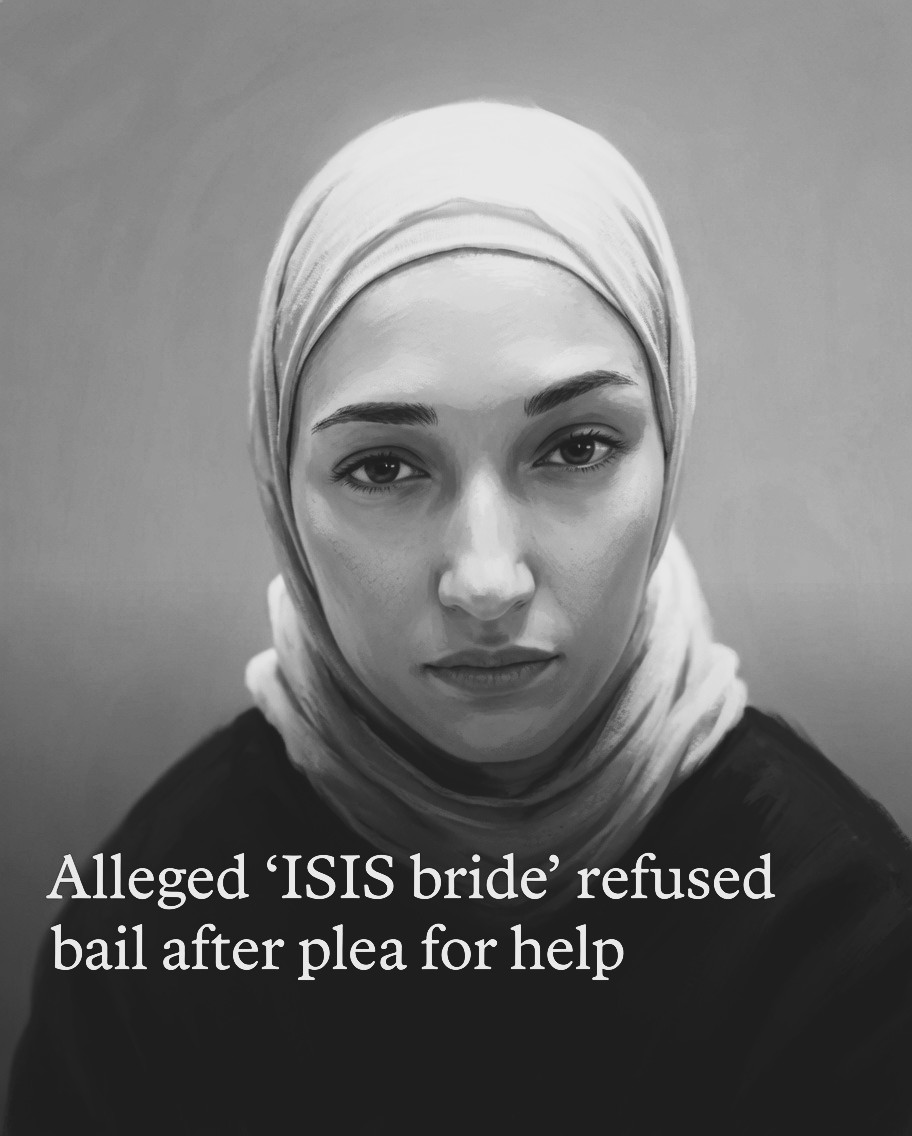
Her latest bail application was heard in the Downing Centre Local Court, where defence lawyers argued she had endured years of hardship after the collapse of the Islamic State caliphate and was now seeking an opportunity to rebuild her life in Australia.
During the hearing, Safar told the court she had effectively been “treated like dirt” throughout years spent living in refugee camps following the military defeat of Islamic State, pleading for help rather than continued imprisonment. Her legal team argued she required psychological support after prolonged exposure to conflict, detention and humanitarian hardship.
However, Judge Marguerite Vassall concluded that Safar had failed to satisfy the strict legal threshold required for bail in terrorism matters.
The court noted the exceptional seriousness of the allegations and found the legislative requirements for release had not been met, resulting in Safar remaining behind bars while her prosecution proceeds.
According to material presented by prosecutors, Safar travelled from Australia to Syria in 2015 after allegedly deciding to join her husband, who had already travelled overseas and become involved with Islamic State.
Court documents allege that after arriving in Syria she undertook approximately three weeks of Islamic State training before living under the group’s rule for several years. Prosecutors also allege she later married two men linked to the terrorist organisation during her time in the conflict zone.
Evidence tendered during the bail proceedings also included allegations that Safar’s mother had previously received photographs showing her daughter posing with rifles while in Syria. The judge noted, however, that Safar’s mother has since been diagnosed with dementia and may ultimately be unable to give evidence during any future trial.
Safar’s legal representatives challenged aspects of the prosecution case, including reliance on comments she made during a media interview in 2019 while she was living in a Syrian refugee camp.
The defence argued those statements were misleadingly interpreted and may ultimately prove inadmissible at trial. Prosecutors disputed that argument, pointing to other evidence they say demonstrates Safar knowingly travelled to Islamic State territory and aligned herself with the organisation’s objectives.
The case forms part of Australia’s continuing effort to investigate citizens who travelled to Syria and Iraq during the rise of Islamic State.
Australian authorities spent years preparing for the possible return of women and children held in detention camps after the collapse of the group’s self-declared caliphate in 2019. Security agencies have repeatedly stated that every returning adult is individually assessed, with criminal charges laid wherever sufficient admissible evidence exists.
Following Safar’s arrival in Australia earlier this year, the Australian Federal Police immediately executed a long-planned operation that resulted in her arrest at Sydney Airport.
Authorities allege the investigation into her activities began nearly a decade ago and involved extensive cooperation between counter-terrorism agencies, intelligence organisations and international partners.
Australian terrorism legislation imposes particularly demanding requirements on defendants seeking bail.
Unlike many ordinary criminal matters, defendants charged with terrorism offences generally bear the burden of demonstrating exceptional circumstances that justify release before trial. Courts must also consider community safety, the seriousness of the alleged conduct and the potential risks associated with extremist offences.
Those legal standards have resulted in several recent decisions refusing bail to Australians accused of terrorism-related offences following their repatriation from Syria.
Safar’s case is one of several currently before Australian courts involving women who returned from Syrian detention camps after the defeat of Islamic State.
Separate prosecutions involving other returned Australian women include allegations ranging from membership of a terrorist organisation to crimes against humanity and slavery-related offences, reflecting the complex legal consequences arising from Australia’s repatriation program.
Although prosecutors have outlined numerous allegations against Safar during the bail proceedings, none of those allegations has yet been tested at trial.
Under Australia’s criminal justice system, she is presumed innocent unless and until proven guilty in court.
The court’s decision to refuse bail does not determine whether she committed the alleged offences. Instead, it reflects the legal assessment that the statutory requirements for pre-trial release have not been satisfied given the nature of the charges and the evidence currently before the court.
For the defence, the central argument remains that Safar is no longer the person prosecutors describe.
Her lawyers contend she endured years in extremely harsh refugee camp conditions following the collapse of Islamic State and now requires rehabilitation and mental health support rather than continued detention before trial.
Prosecutors, meanwhile, maintain the allegations involve deliberate decisions to travel to Islamic State territory, undertake training and remain associated with the terrorist organisation over an extended period.
The proceedings are expected to continue in the coming months as the court prepares to examine the evidence in greater detail.
Until then, Safar will remain in custody after the court concluded that, despite the difficult circumstances she described, the exceptional threshold required for bail in terrorism prosecutions had not been met.






