The ABC paid former Australian of the Year Grace Tame $9,200 to host a four-part podcast series on autism, a fee the broadcaster says was consistent with standard contractor rates.
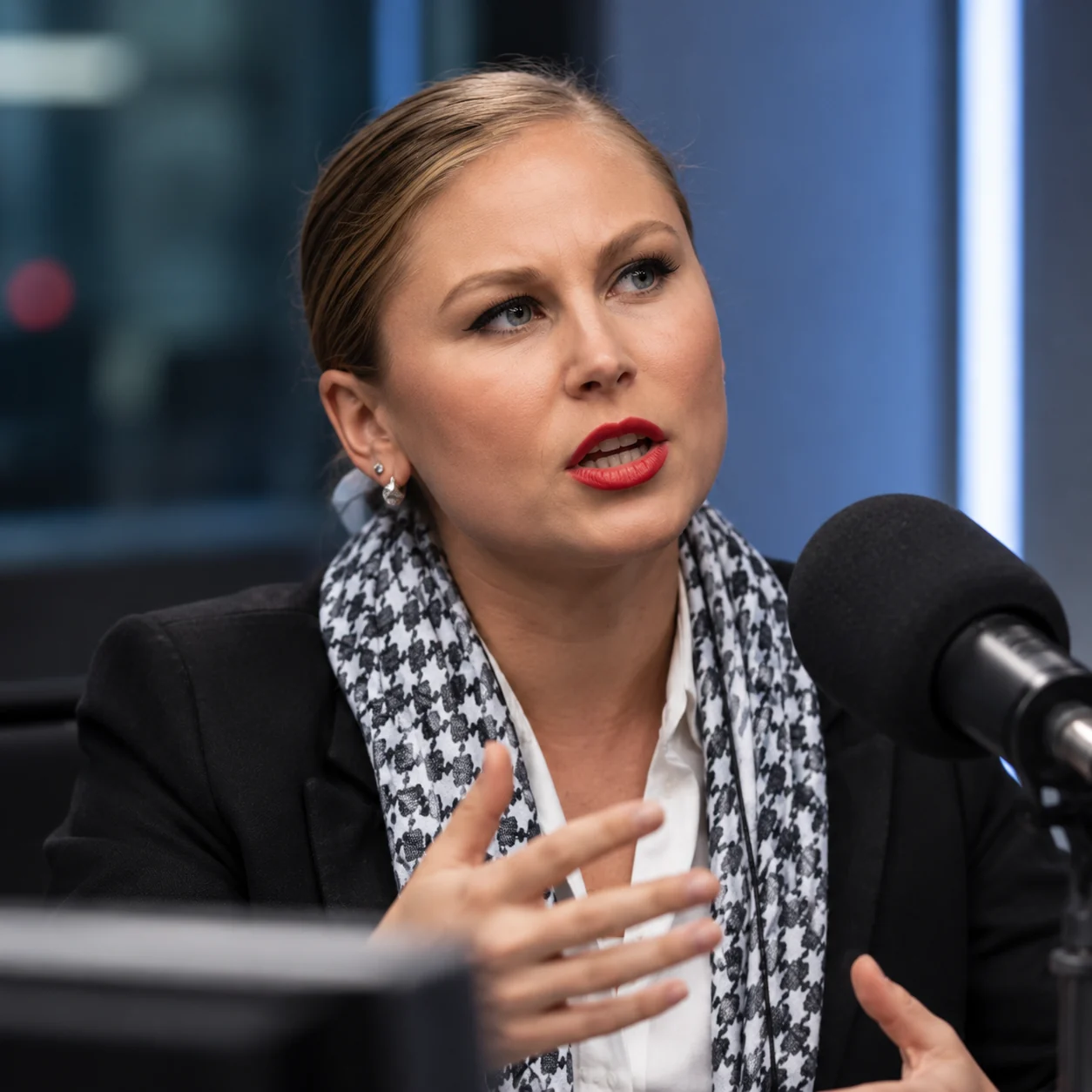
The payment covered Tame’s work on Autistic AF with Grace Tame, a special four-episode series produced as part of the ABC’s Ladies, We Need to Talk podcast. Each episode ran for about 30 minutes, meaning the total fee equated to roughly $2,300 per episode, or about $76 for each minute of finished audio.
That per-minute calculation has been highlighted in media coverage, but it can be misleading if treated as an hourly wage. Podcast presenters are generally paid for preparation, interviews, recording, research, rehearsals, publicity and other work beyond the length of the final program. The ABC’s position is that the $9,200 total was in line with normal rates for contracted contributors.
The series launched in June and focused on the experiences of autistic women and gender-diverse people. Tame, who has spoken publicly about being diagnosed with autism at 19, combined her own experiences with interviews involving researchers, advocates and other neurodivergent women.
ABC promotional material described the project as a four-part takeover examining late diagnosis, masking, health outcomes and relationships. Guests included actor and disability advocate Chloe Hayden, while experts discussed why autism in women and girls was historically overlooked or misdiagnosed.
The first episode explored Tame’s own experience of feeling different as a child and eventually receiving a diagnosis. Later episodes considered the under-diagnosis of girls, poorer health outcomes among autistic women and the way autism can affect friendships, partnerships and family life.
The payment has attracted attention partly because the ABC is publicly funded and routinely faces scrutiny over how it spends money on presenters, contractors and commissioned content. That scrutiny does not necessarily mean the fee was unusual or excessive; the relevant comparison is with the rates paid for equivalent presenting and production work.
The Australian reported that the ABC said Tame’s payment was consistent with standard contractor arrangements. The broadcaster has not suggested she was paid by the minute, and the $76 figure is simply the result of dividing the total fee by the approximate running time of the finished four episodes.
The distinction matters because media production involves substantial work that never appears in the final duration. A 30-minute podcast can require hours of briefing, preparation, recording and editing, while the presenter may also participate in planning, promotional material and interviews.
Tame’s relationship with the ABC has become a separate point of controversy because of public comments she made outside the podcast project. The broadcaster has faced questions about whether it would work with her again after criticism of remarks she made on the Israel-Gaza conflict.
ABC managing director Hugh Marks previously defended the decision to commission the autism series, noting that the agreement had been made before some of the later controversy and arguing that the podcast itself was strong work. He acknowledged that some people believed Tame should not have a program on the ABC but said the quality and subject matter of the series stood on their own.
More recent reporting says the ABC has effectively ended further collaboration with Tame. That decision should be distinguished from the payment for work already completed. The $9,200 fee related to the four-part podcast that was commissioned, recorded and published, not to future projects.
The episode has therefore become part of two overlapping debates: how the ABC spends public money and how public broadcasters respond when a contributor becomes politically controversial.
On the first question, there is a legitimate public interest in transparency. The ABC is funded by taxpayers and can be asked to explain why particular contracts are awarded and whether rates are consistent with industry standards. Publishing the amount allows that discussion to take place with an actual figure rather than speculation.
On the second question, the issue is more complicated. Public broadcasters regularly work with contributors who hold strong opinions or attract criticism. The existence of controversy does not automatically make previous editorial work invalid, but broadcasters also make decisions about future commissioning based on reputation, audience trust and editorial risk.
For the podcast itself, the ABC’s own descriptions emphasised Tame’s lived experience as one reason she was chosen. Her public profile was closely connected to her advocacy work, but the series was specifically about autism rather than the broader political causes with which she has become associated.
The program also addressed an area in which research has changed significantly. Autism was long stereotyped as a condition primarily affecting boys, contributing to girls and women being overlooked or diagnosed later. Tame used the series to discuss that history and to interview people whose experiences did not fit older clinical assumptions.
That subject remains important regardless of the controversy around its host. Late diagnosis can affect education, employment, relationships and access to health care, while autistic women often report years of being treated for other conditions before autism is recognised.
The ABC promoted the series as a collaboration between its Audio Studios podcast team and the Radio National Science Unit. The credits included a producer, executive producers and a sound engineer, reinforcing that Tame’s presenting fee represented only one component of the project’s overall production cost.
No evidence has emerged that the $9,200 payment was hidden or outside normal contracting rules. The debate is instead about whether the amount represents good value and whether Tame remained an appropriate contributor after later controversies. Those are editorial and public-value questions on which audiences can reasonably disagree.
What is clear is the underlying arithmetic: the ABC paid Tame $9,200 in total for presenting the four-part series. That works out to $2,300 for each finished episode and, if divided by approximately 120 minutes of published audio, around $76 per finished minute.
But treating the last figure as a wage rate strips out the work required to create those minutes. The more meaningful questions are whether the fee was comparable with other contracted presenters, whether the program delivered the editorial value the ABC expected and how the broadcaster applies its standards consistently when contributors become the subject of political controversy.
There is another reason the per-minute framing deserves caution. Public broadcasting contracts are not usually priced by dividing a fee by final running time. A television interview that lasts eight minutes can require a day of travel and preparation; a documentary narration may involve repeated recording sessions; a podcast host may conduct background interviews that are later cut. Finished duration is an editorial product, not a time sheet.
That does not place ABC contracts beyond scrutiny. On the contrary, the broadcaster can reasonably be expected to explain whether a fee sits within an established range and whether procurement rules were followed. The important distinction is between scrutinising the total contract and presenting a derived per-minute figure as though it describes the actual amount earned for each minute of labour.
Tame’s case is likely to remain politically charged because her profile extends far beyond broadcasting. She became Australian of the Year in 2021 after campaigning for sexual-assault survivors and the right of survivors to speak publicly. Since then she has remained an outspoken activist on several issues. That prominence increases both her value as a presenter and the level of scrutiny applied to any publicly funded work involving her.