NSW Premier Chris Minns has abandoned proposed changes to major Sydney and South Coast rail services after commuters warned that a promise of additional trains could leave many passengers facing longer and more complicated journeys. The reversal came before the new timetable was introduced, so the changes never took effect. It has nevertheless ignited a fresh argument about how the state government designs public transport improvements, communicates trade-offs and responds when the people who rely on the network say a plan will make their lives harder.
The proposed timetable was to begin on 15 November and affect the T4 Eastern Suburbs and Illawarra, T8 Airport and South, and South Coast lines. Minns said his government had listened to commuters and local MPs and would withdraw the changes. Liberal member for Oatley Mark Coure, who campaigned against the proposal, described the decision as a political backflip forced by public pressure. Both reactions underline the gap between a transport plan’s operational goals and its everyday effect on passengers.
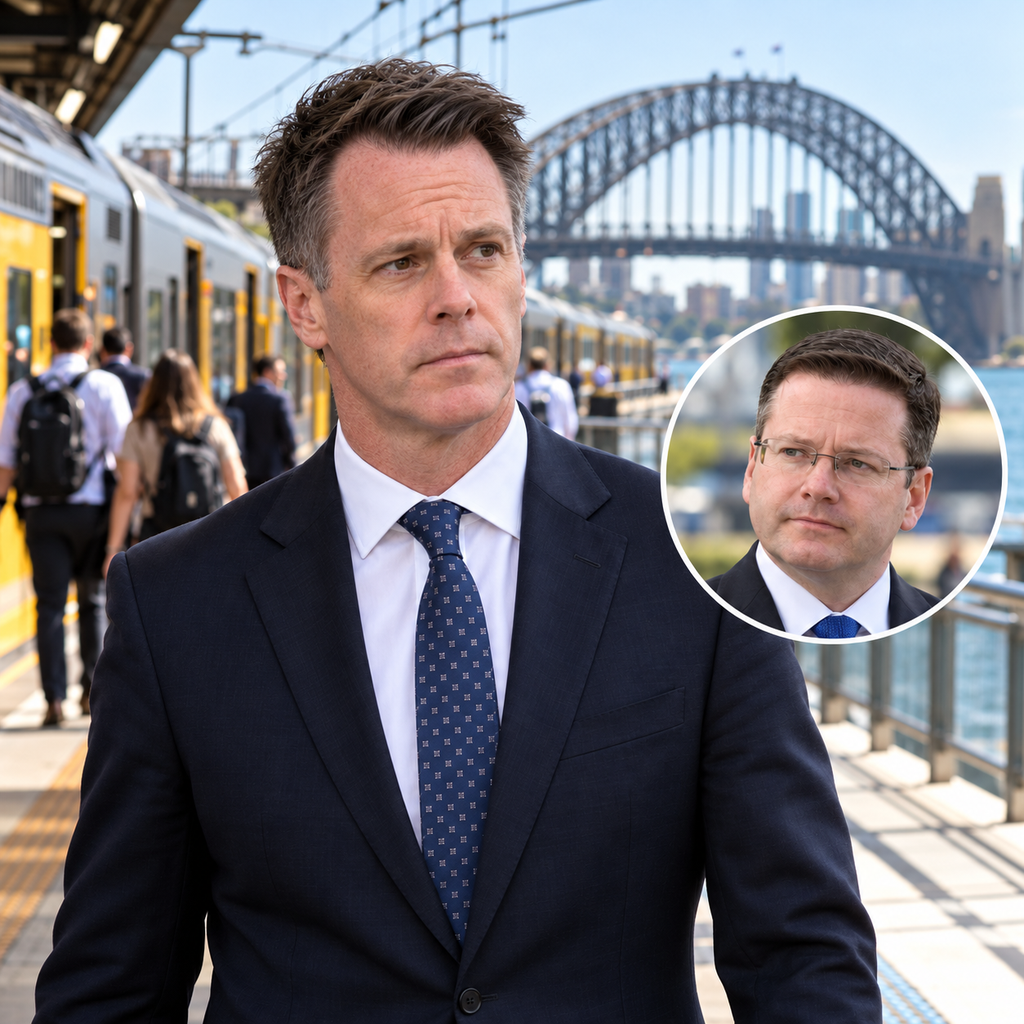
The government had argued that the plan would improve the capacity and reliability of a network where different routes share tracks and disruption on one part can spread across another. Transport authorities were seeking to untangle some of those movements and introduce additional services. More frequent trains can be valuable, particularly during peaks, but frequency is only one measure of usefulness. A service that requires an additional interchange can be less practical for a commuter than a slightly less frequent direct train.
One of the most contentious effects involved South Coast passengers travelling to Sydney Airport. The proposal would have changed stops around Wolli Creek, removing some straightforward journeys and forcing certain passengers to change at Sutherland or Hurstville and again at Wolli Creek, or travel further into the city and back towards the airport. The implications were especially significant for people carrying luggage, travelling with children or depending on predictable connections for flights.
T8 passengers also had concerns about the loss of Sydenham as a stop under the proposed pattern, which would have made Metro access less direct for some south-western Sydney travellers. Other proposed changes affected peak-period access to stations including St Peters, Erskineville and Redfern. A timetable can improve movement through a crowded junction while shifting costs onto travellers who must negotiate another platform, another wait or an unfamiliar route. Those impacts deserve attention alongside calculations about network throughput.
Critics argued the new arrangements were being sold as a service upgrade even though some journeys would be slower. Coure promoted that argument in an attack advertisement, saying his constituents could face delays. His political account is an attributed criticism, not an independent measurement of every trip on the network. Travellers’ concerns nevertheless offered a concrete test of the plan: whether it improved a representative door-to-door journey rather than simply raising the number of services visible on a line diagram.
Minns acknowledged that a large majority of people did not want the timetable as proposed. He also said reliability needed to return, particularly on the T4, before the government pursued further timetable changes. His comments focused on ongoing signal failures, breaks in rail and major disruptions. This is the distinction at the heart of the reversal. Cancelling a future timetable prevents that specific inconvenience, but it does not repair infrastructure faults or remove the reliability problems that prompted officials to consider reform.
The government has a legitimate operational challenge. Where two busy routes depend on shared track, there are limits to how many trains can pass through junctions and recover from late running. A delay can cascade between services even when stations and platforms appear to have enough capacity. Altering timetables is one possible response; infrastructure investment, signalling work, maintenance and more resilient service planning may also matter. The question is whether proposed remedies are assessed for the passengers who bear their cost.
For households, the difference between a direct ride and a journey with multiple changes is not simply a matter of preference. Workers with fixed starting times may have less ability to absorb a missed connection. Parents may face additional childcare charges. Older passengers and people with disability may find an extra interchange disproportionately difficult, depending on lifts, escalators, walking distances and crowded platforms. Travellers from outside Sydney also need airport and medical appointments to be reliable, because missing one connection can mean an expensive alternative.
A properly explained future proposal could show projected travel times for common journeys before and after changes, the number of required transfers, and the impact on school, shift-work and airport travel. It could also identify which areas gain frequency and which lose direct services, rather than relying on a single aggregate figure. Such information would make public feedback more meaningful and allow transport officials to distinguish inconvenience that can be mitigated from a fundamental flaw in the service pattern.
Political incentives complicate the debate. Oatley is a tightly contested electorate, and transport changes affecting local commuters can quickly become an election issue. Coure’s criticism reflects that contest, while Minns can argue that withdrawing a disliked proposal demonstrates responsiveness. Neither point should obscure the substance of the complaints. Passengers do not need to endorse either party’s interpretation to ask for clear information about journey times, disruption risks and whether promised improvements are likely to materialise.
Transparency also matters after a proposal is cancelled. Communities may reasonably ask which reliability improvements will proceed, whether new capital works are required, and when the government will revisit the timetable. Delaying reform indefinitely would not be a satisfactory long-term response if service failures continue. But imposing a plan that solves an internal scheduling problem by lengthening common journeys would be difficult to defend as a passenger-centred outcome. Those are competing priorities that need to be addressed openly.
The proposed additional services were not delivered through the abandoned plan, and there is no confirmed replacement timetable in the evidence available for this report. Commuters should therefore look to current official Transport for NSW advice for the services actually operating, rather than assuming a cancelled November timetable is in force. Any future proposal may differ substantially from the one withdrawn, and it would be misleading to describe speculative changes as already scheduled.
The dispute is ultimately a test of public transport governance. A successful redesign must account for train operations and passenger experience together, measure the full journey rather than a single line’s frequency and disclose who benefits and who loses. The government has avoided introducing a heavily criticised timetable. It must now show how it will make the existing network more reliable without rediscovering the same frustrations the next time it proposes change.
An effective consultation process would also distinguish between changes that are unavoidable because of physical track limits and those that result from a choice about how to allocate services. Passengers can accept that a rail corridor has constraints while still challenging a proposal that imposes the greatest disruption on particular communities. Publishing alternative options and the reasons they were rejected would allow residents to weigh the benefits against the inconvenience with more confidence. It would also help distinguish a genuine technical necessity from an operational preference that may be revised.
Passenger-facing modelling could go beyond a typical nine-to-five commute. Journeys to hospitals, late-night workplaces and the airport may involve different transfer penalties from a peak-hour trip to the CBD. Timetables also work differently for people who must use accessible interchange routes or who cannot stand through long waits. A proposal that improves the average travel time of one large passenger group might still produce serious disadvantages for smaller groups. Those disadvantages should be visible to decision-makers before a formal announcement.
The impact of reliability work is similarly difficult to judge without public reporting. Transport authorities could disclose changes in major-delay incidents, signal faults and service cancellations over time, using clear definitions so that passengers can understand whether conditions are improving. Reliability should be measured separately from a simple increase in scheduled trains. A route with a more ambitious timetable can feel less dependable if services are frequently delayed or if passengers cannot count on making advertised connections.
A further lesson concerns the sequencing of public announcements. If a government promotes extra services before setting out the lost direct connections, communities may conclude that relevant drawbacks were not considered. Publishing the complete passenger impact alongside the proposed benefits would reduce that risk. The present withdrawal gives decision-makers the opportunity to return with a stronger evidence base and a consultation process that treats commuters as people whose daily routines are affected, not simply as numbers moved through a network.
The cancelled proposal is a reminder that public transport decisions do not affect everyone evenly. A small change in journey length may be tolerable for some travellers while a lost connection creates a serious obstacle for another. Greater attention to those differences could help future governments explain why a reform is necessary and build support before asking commuters to rearrange their lives.
For the next round of planning, officials could also publish a plain-language summary of what alternative options were considered and why each was rejected. That would give passengers an opportunity to comment on the actual trade-offs before a decision becomes politically entrenched. It would be a practical way to build public confidence without pretending that difficult transport choices can always satisfy every traveller.






