A Federal Court ruling has invalidated a Commonwealth heritage protection declaration that affected a proposed gold mine near Blayney in central western New South Wales, sending a dispute over an Aboriginal cultural site back to the federal environment minister. The judgment concerned the process used to make the declaration, not whether the area's cultural significance is genuine or whether the mine should now be allowed to proceed without further examination.
The McPhillamys Gold Project is being developed by Regis Resources through a subsidiary. Part of the planned operation, including the proposed location of a tailings storage facility, was affected by a declaration made by former environment minister Tanya Plibersek. The protected area covered about 400 hectares, including land associated with the headwaters of the Belubula River. Regis argued the restriction made its preferred mine design financially unviable.
Justice James Stellios examined the decision under the federal Aboriginal and Torres Strait Islander Heritage Protection Act. The court found that the declaration was made without the necessary legal authority because a procedural requirement involving a changed application had not been followed. The ruling was not a judicial decision that Aboriginal people lacked grounds for cultural protection. That distinction is essential to understanding what the court actually decided.
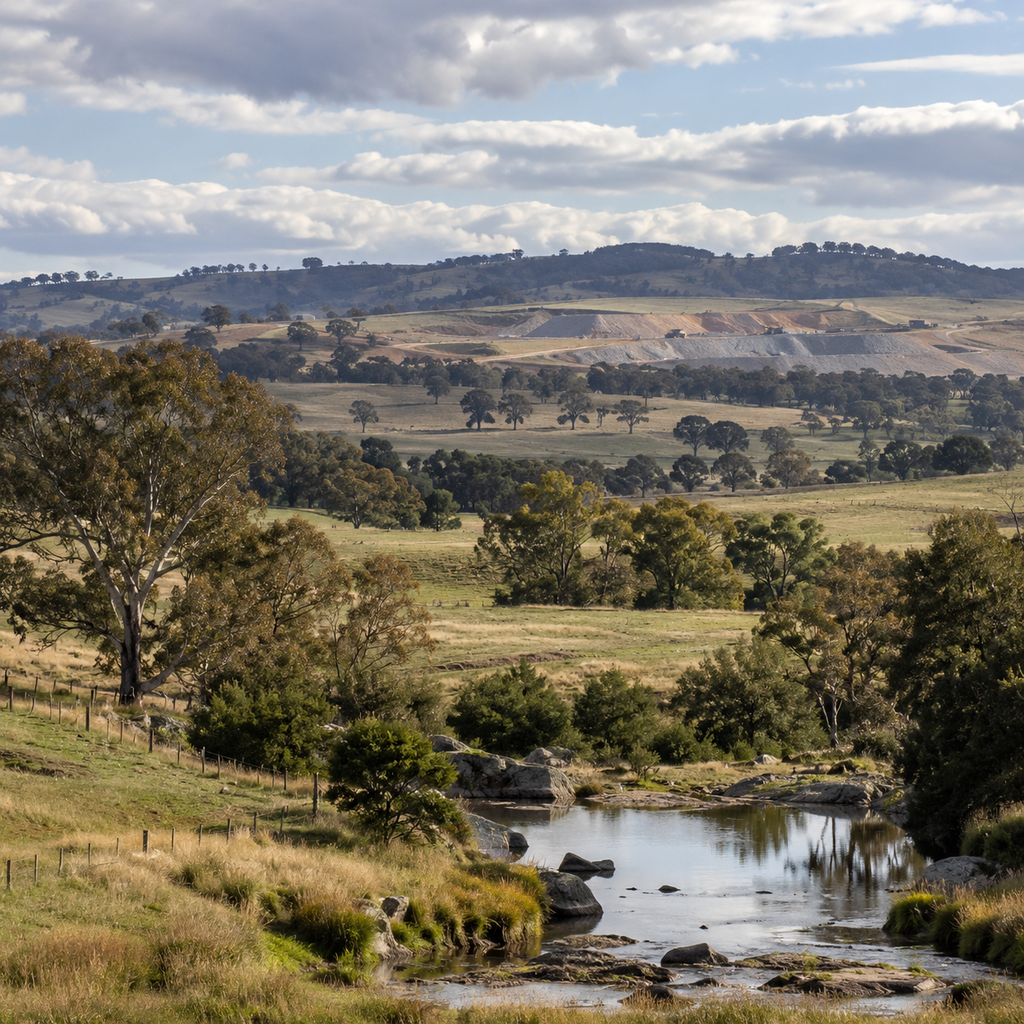
The original protection request was lodged by Wiradyuri elder Aunty Nyree Reynolds. The application concerned country associated with the Blue Banded Bee Dreaming story and important features around the Belubula River's headwaters. The Wiradyuri Traditional Owners Central West Aboriginal Corporation supported protection of the area. Traditional Owners continue to emphasise the area's cultural importance. The court's procedural ruling did not determine that those cultural claims were unfounded.
The judge explained that additional material relied upon during the ministerial process amounted to a new application and should have been referred through statutory steps involving a government reporter and public consultation. Those safeguards exist so decisions are made within the powers parliament has provided. Because they were not followed, the minister's declaration could not stand in its previous legal form, irrespective of the judge's view of its underlying merits.
The practical effect is to return the matter to the federal minister for redetermination. Murray Watt now holds the environment portfolio. A fresh process may consider the relevant application and material according to law, but the judgment is not an instruction to reach a particular conclusion about protection. It is also not a new mining approval. The company's existing state development permissions and the separate federal heritage question must not be collapsed into one binary decision.
The mine proposal had obtained development approval through New South Wales processes before the Commonwealth protection declaration disrupted the planned tailings location. Tailings are material remaining after ore is processed; storing them safely is a major design issue for any large mine. Regis said the protected site included a preferred storage area and that a redesign would significantly affect costs and timing. Those commercial claims are the company's position rather than findings about the cultural value of the land.
Regis Resources welcomed the result as an important step for a project it wants to advance. The company has also indicated work was under way on an alternative tailings option, recognising that the new ministerial process may take time or reach an outcome the company does not favour. That second point is important. A company celebrating a courtroom win can still face substantive regulatory hurdles and investment decisions before construction follows.
The Wiradyuri Traditional Owners Central West Aboriginal Corporation expressed disappointment with the decision and maintained that the sites retained profound cultural and spiritual significance. Its response emphasised a continuing responsibility to care for Country. Those statements are not negated by a ruling about statutory procedure. A fair account of the dispute separates the corporation's perspective on the site from the judge's narrower legal conclusion.
Local and regional views are also divided about the mine's proposed design. The Belubula Headwaters Protection Group supports alternatives that avoid the protected river headwaters and argues such designs would reduce impacts on downstream users. Supporters of the development, including industry representatives, emphasise investment and jobs and contend that approval systems should provide greater certainty. The court did not resolve the economic merits of each option or conduct an environmental impact hearing afresh.
The Belubula's headwaters matter to people beyond the mine boundary because the river connects to downstream waterways and catchments. That broader interest helps explain why plans for waste storage attract close attention. It does not mean any particular environmental consequence is already established by the ruling. Concerns about possible contamination remain contested, while estimates about development costs or jobs come from the groups and organisations advancing them.
The legal case illustrates how consultation requirements can be decisive even where the underlying policy issue remains unresolved. Ministers exercising powers to protect culturally significant land must follow the legislation's decision-making process. Companies challenging such decisions may succeed because of procedural defects without persuading a court to rule on whether the location is sacred. Both propositions can be true at the same time.
Former minister Plibersek made the protection declaration; the matter is now before a different minister because the portfolio has changed hands. Prime Minister Anthony Albanese said the government was examining the ruling, while Watt acknowledged its procedural focus and the complexities of heritage protection processes. These statements suggest the federal response is still to be developed. They are not evidence of a final commitment to grant or refuse a fresh declaration.
New South Wales Premier Chris Minns has expressed support for the mine going ahead, citing investment and regional economic opportunities. That is a political position, not a substitute for the legal steps still required. Similarly, the company's enthusiasm for the project is a commercial viewpoint. The story can report both while making clear that Traditional Owners and environmental groups continue to raise different concerns.
The judgment is best understood as a reset of one Commonwealth process. It invalidates the previous declaration and requires reconsideration of the application; it leaves open questions about cultural heritage, a workable tailings location, costs and future approvals. The mine's backers have gained an opening, while those seeking protection retain the ability to make their case through the lawful process.
For residents and Traditional Owners in the Blayney region, the dispute is about more than a procedural defect. It concerns a landscape with cultural meaning, water resources, potential employment and the prospect of a major industrial development. Those interests do not disappear after a judgment. The immediate legal position is narrow but consequential: a federal protection order has been set aside and the decision must be approached again through the required statutory process.
The competing responses to the ruling make its limits particularly clear. Regis Resources described the judgment as a welcome step towards advancing the project and said it would participate in the renewed federal process. The Wiradyuri corporation stressed that its responsibilities to Country remain unchanged by the procedural outcome. An environmental group argued that an alternative tailings location could protect the headwaters even if that approach cost more. Their responses reflect different interests in the land, the river headwaters and the proposed development.
Justice Stellios's decision was limited to the validity of the declaration-making process. The case was not a judgment that development has no effect on cultural heritage. Equally, it was not an independent endorsement of every claim advanced by opponents of the mine. The court decided that the ministerial pathway to a declaration was legally defective. The next decision belongs to the relevant statutory decision-maker, who must consider the material under the law rather than treat the court result as a substantive answer.
Local interest in the project is understandable because the proposal involves potential employment and investment while raising concerns about waterways and sacred places. The mine and its associated waste facilities are elements of one proposed operation, but their locations can be considered separately when assessing alternatives. The existence of an alternative design does not prove that it is approved, financially viable or environmentally superior; those matters remain for evidence and regulatory consideration.
As the next ministerial steps unfold, the question will be how evidence, consultation and competing interests are handled within the law. The judgment did not reject the cultural claims, automatically authorise the mine or settle its eventual design. The McPhillamys project still faces decisions about heritage protection and the proposed tailings location. Any renewed ministerial decision must follow the statutory process that the court found had not been correctly followed previously.






