Australia’s richest person, Gina Rinehart, has formally launched legal action against the Australian Broadcasting Corporation (ABC) following the broadcast of a controversial satirical segment that featured graphic and violent language directed at the mining billionaire.
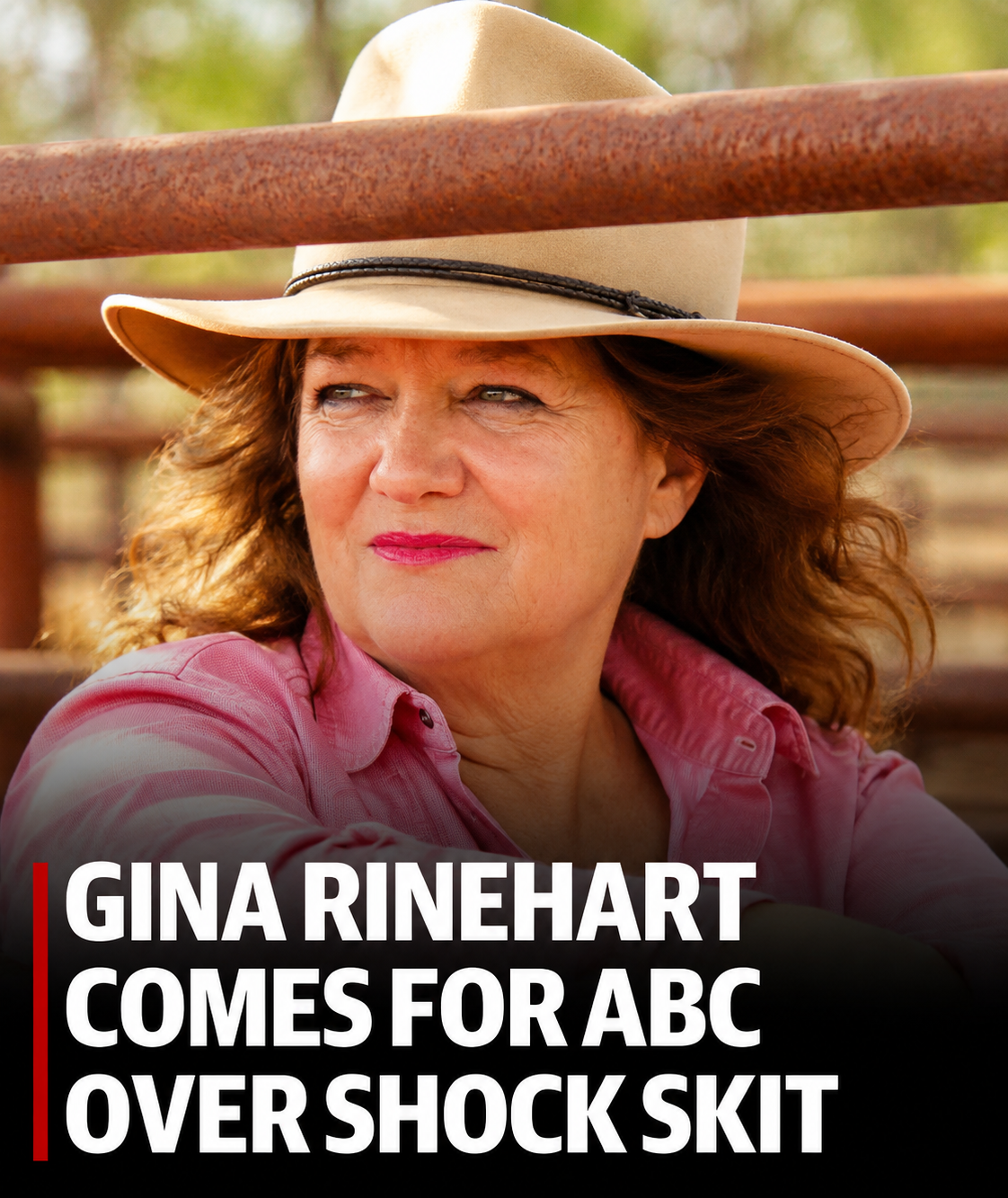
The dispute centres on a four-minute film, A Very Relaxing Video, which aired on 12 July as part of the ABC television series Race Around the World. Created by contestant Kate McGuinness, the satirical piece concluded with a graphic fictional monologue describing violent acts against Rinehart, language that immediately sparked widespread criticism from political leaders, business groups and sections of the media.
Hancock Prospecting, Rinehart’s company, said it first wrote to the ABC Board on 23 July demanding that the broadcaster immediately remove the segment from all ABC platforms, issue a public apology to Rinehart and conduct a comprehensive investigation into how the material was commissioned, approved and broadcast.
According to the company, those requests were not met.
After what Hancock described as a week without any substantive response, the company instructed lawyers to send formal legal correspondence to ABC Chair Kim Williams, Deputy Chair Lisa Caffery and Managing Director Hugh Marks.
The letters allege serious breaches of Australian criminal and civil law arising from both the original publication and the broadcaster’s decision to continue making the segment available online.
In a statement, Hancock Prospecting said the ABC had failed to adequately address concerns despite what it described as growing public condemnation.
The company argued that continuing to host the material exposed Rinehart to unnecessary risk and fell well short of the editorial standards expected of Australia’s national public broadcaster.
The ABC has confirmed receiving the legal correspondence.
A spokesperson said the broadcaster would respond “in due course” and confirmed that the ABC Ombudsman was independently reviewing complaints lodged about the episode under the corporation’s formal complaints process.
As of the latest public statements, the episode remained available on ABC’s streaming platform, ABC iview.
The controversy has generated debate well beyond the legal dispute itself.
Communications Minister Anika Wells described the language used in the segment as “unacceptable” but stopped short of calling for the ABC to remove the program or apologise. She emphasised that the ABC operates independently from government and that editorial decisions remain matters for the broadcaster itself. Acting Prime Minister Richard Marles similarly criticised the content while reaffirming the importance of the ABC’s editorial independence.
Western Australian Premier Roger Cook also criticised the broadcast, describing the language as confronting and inappropriate while expressing concern about the violent imagery directed at a prominent Australian business figure.
The creator of the film, Kate McGuinness, has since issued a public apology through the ABC.
She said her work was intended to be cartoonish satire rather than a literal endorsement of violence.
“My writing is cartoonish and always satirical. Unfortunately, jokes do not land with everyone. Its purpose was never to be taken literally,” she said, adding that it had never been her intention to promote violence or encourage harm against anyone.
The incident has renewed broader discussion about the limits of satire in publicly funded broadcasting.
Supporters of the segment have argued that satire has long played an important role in political commentary and artistic expression, while critics contend that depictions involving graphic violence against identifiable individuals cross the boundary between legitimate satire and material capable of encouraging or normalising abusive behaviour.
The case also raises questions about how Australia’s media organisations balance freedom of expression with editorial responsibilities under broadcasting standards. National broadcasters are expected to comply with their editorial policies while ensuring content does not inappropriately encourage violence or cause unjustifiable harm.
The Australian Communications and Media Authority (ACMA) has indicated it will not intervene immediately.
Under Australia’s co-regulatory broadcasting framework, complaints relating to ABC programs are generally considered first through the broadcaster’s own internal complaints process.
Only after that process has concluded—or if complainants remain dissatisfied—can ACMA determine whether a formal regulatory investigation is warranted.
The dispute also arrives during a period of heightened public attention surrounding Gina Rinehart.
In recent weeks the mining executive has remained prominent in national headlines after rewarding Australia’s Commonwealth Games swimmers with more than A$1.27 million in performance bonuses, disclosing sponsored travel involving One Nation leader Pauline Hanson and continuing several high-profile legal and commercial disputes.
Those developments have further increased scrutiny of Rinehart’s public profile and media coverage.
Legal experts note that while public figures are routinely subjected to satire and robust criticism, Australian law also recognises potential legal remedies where published material is alleged to cross into unlawful conduct, including defamation or other civil claims depending on the circumstances.
At this stage, Hancock Prospecting has not publicly released the full legal particulars of its claims, and the ABC has not responded in detail beyond acknowledging receipt of the correspondence.
Whether the dispute proceeds to court may depend on future negotiations between the parties and the outcome of the ABC Ombudsman’s review.
Should litigation continue, the case could become an important test of how Australian courts assess the intersection of satire, editorial judgment, public broadcasting obligations and legal protections for individuals targeted by highly graphic fictional content.
For now, both sides remain firmly committed to their respective positions.
Hancock Prospecting maintains that the ABC failed to meet acceptable editorial standards by broadcasting and retaining material depicting explicit violence against Rinehart, while the broadcaster has indicated it will allow its established complaints process to run its course before responding further.
The outcome is likely to be watched closely across Australia’s media, legal and political sectors, particularly as debate continues over the responsibilities of publicly funded broadcasters and the appropriate limits of satirical expression in contemporary public discourse.






