The Victorian Coalition has pledged to introduce a domestic violence disclosure scheme within its first 100 days in office if it wins the state’s November election, promising to give Victorians the legal right to ask police whether a current or former partner has a history of family violence.
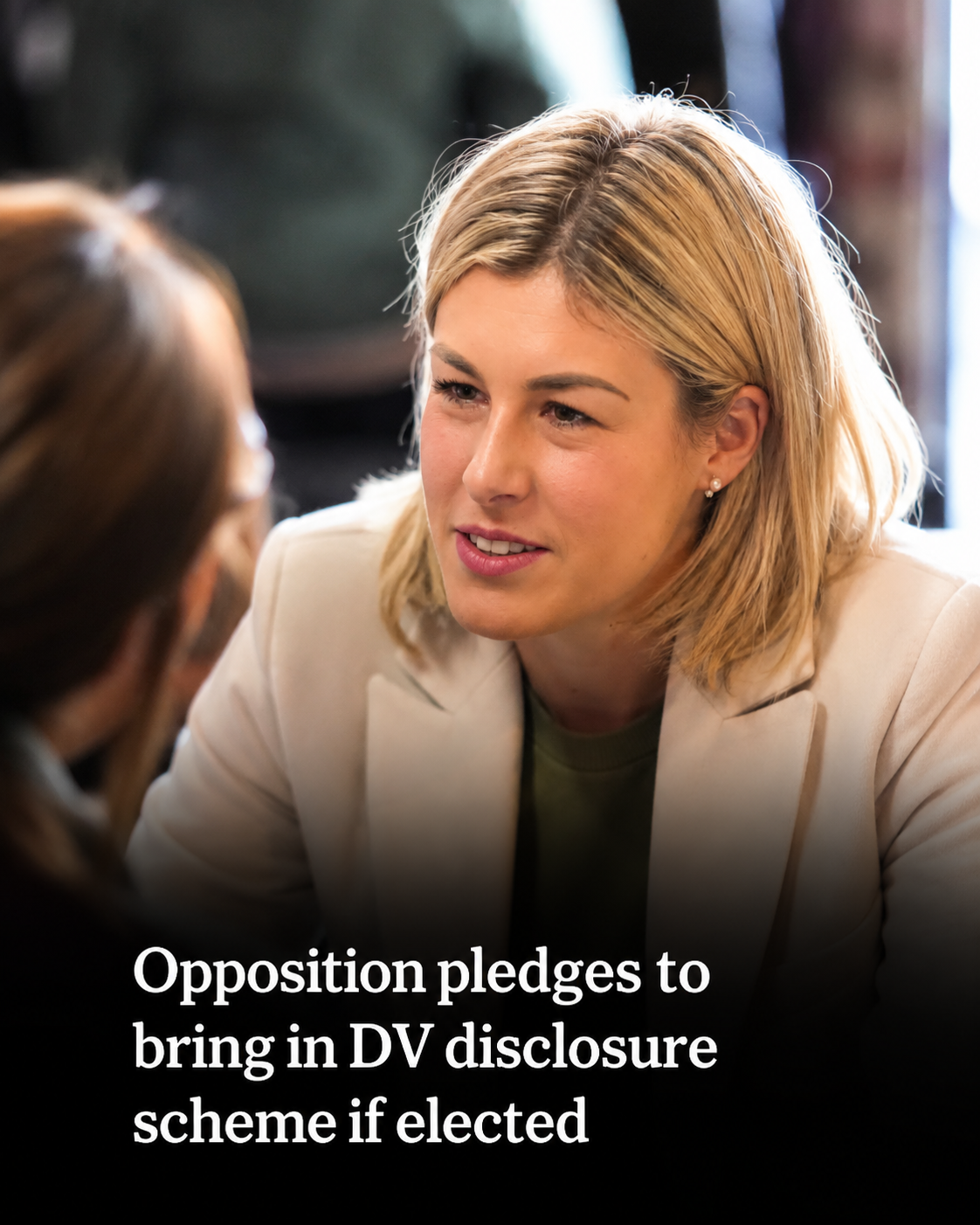
The proposal, commonly known as Clare’s Law, has become one of the Coalition’s headline commitments on family violence prevention during the election campaign.
If implemented, the scheme would allow individuals to apply to Victoria Police for information about whether their partner has a known history of domestic or family violence, enabling people considered at risk to make more informed decisions about their personal safety.
Victorian Opposition Leader Jess Wilson announced the policy during a visit to Gippsland, describing it as an important preventative measure rather than a complete solution to family violence.
“This is really about prevention. This is about trying to ensure we stop domestic and family violence before it occurs,” Wilson said.
She pledged that, should the Coalition form government after the November election, legislation establishing the scheme would be introduced and operational within the administration’s first 100 days.
Clare’s Law takes its name from Clare Wood, a British woman murdered in 2009 by a former partner whose extensive history of violence was unknown to her.
The tragedy prompted the United Kingdom to establish a domestic violence disclosure scheme allowing police, under specific circumstances, to reveal relevant information about an individual’s history of abusive behaviour to someone believed to be at risk.
The model has since been adopted in various forms across several countries and Australian jurisdictions.
South Australia remains Australia’s only state currently operating a comparable statewide disclosure scheme.
Introduced in October 2018, the program allows eligible applicants to request information through police where there are concerns about potential domestic abuse.
According to family violence organisations in South Australia, more than 4,000 applications have been processed since the scheme began.
An independent review conducted by the University of Essex described the South Australian model as a world-leading approach to domestic violence prevention, although researchers also noted that disclosure schemes work best when combined with broader support services rather than operating in isolation.
Victoria has previously debated introducing similar legislation.
In November 2024, then Shadow Minister for Prevention of Family Violence Cindy McLeish introduced a private member’s bill seeking to establish a domestic violence disclosure scheme.
At the time, McLeish acknowledged that the proposal would not eliminate family violence on its own.
“The bill that I am putting forward is another step. It is not a silver bullet; it is another step to help move in this space,” she told Parliament.
“It’s about prevention and we know it needs to play a greater role.”
The legislation was ultimately voted down in the Victorian Parliament.
The Coalition’s latest proposal expands upon that earlier initiative.
In addition to allowing individuals to request information from police, the opposition says the Victorian model would include personalised safety planning, referrals to specialist family violence support services and access to two free trauma-informed counselling sessions for eligible applicants.
Wilson said the objective was not simply to disclose information but to ensure people receiving potentially distressing information also had immediate access to professional support.
The announcement has renewed debate over how Victoria should strengthen family violence prevention.
The Allan Labor Government declined to commit to introducing Clare’s Law when asked about the Coalition’s proposal.
Instead, a government spokesperson pointed to Labor’s existing family violence reforms, including plans to criminalise coercive control, prohibit the use of “good character” evidence as a mitigating factor during sentencing in family violence matters and introduce additional protections for victim-survivors.
The government stated that it “wouldn’t put a price” on protecting victims but did not directly indicate whether it would consider implementing a disclosure scheme in the future.
The policy has attracted support from several community organisations.
Women’s Safety Services South Australia says its experience suggests disclosure schemes can provide valuable opportunities for early intervention when combined with counselling and safety planning.
Manager of Integrated Programs Mergho Ray described the South Australian scheme as one that helps hold abusive behaviour to account while giving potential victims additional information to assess personal risk.
Regional councils have also expressed support.
East Gippsland Mayor Jodie Ashworth said family violence remains one of the most serious challenges facing local communities.
She argued that providing access to relevant information could assist individuals in making safer decisions before violence escalates.
“It’s about prevention and it’s about reducing harm and ultimately saving lives if they’ve got the information that can assist them to do that,” Ashworth said.
The Country Women’s Association of Victoria has likewise endorsed the proposal.
Its members recently passed a statewide resolution supporting the introduction of Clare’s Law, arguing that the measure should rise above party politics because of its potential role in protecting people at risk of domestic abuse.
Supporters argue disclosure schemes fill an important information gap.
Victims frequently enter relationships without knowing a partner’s previous history of domestic violence, particularly where abuse has occurred in earlier relationships or different jurisdictions.
Advocates believe carefully managed police disclosures may allow some individuals to recognise danger signs earlier and seek assistance before violence escalates.
Critics, however, caution that disclosure programs are not a substitute for broader systemic reform.
International research has found that while such schemes can assist some victim-survivors, they are most effective when integrated with comprehensive policing, legal protections, emergency accommodation, counselling and ongoing victim support services.
Privacy considerations also require police to balance public safety against the rights of individuals whose personal information may be disclosed.
For that reason, disclosure decisions are generally made only after careful risk assessment and are provided under strict confidentiality arrangements.
The issue is expected to become an important part of Victoria’s election campaign.
Family violence remains one of the state’s most significant public policy challenges, with governments of all political persuasions introducing successive reforms following the landmark Royal Commission into Family Violence in 2016.
While both major parties agree on the need to strengthen protections for victim-survivors, they continue to differ on the legislative mechanisms best suited to achieving that objective.
If the Coalition forms government, Clare’s Law would become one of its first major legislative priorities.
If Labor retains office, attention is likely to remain focused on its existing package of reforms centred on coercive control, sentencing changes and broader family violence prevention initiatives.
Either way, the renewed debate reflects growing recognition that preventing domestic violence requires not only responding after abuse occurs but providing practical tools that may help identify and reduce risk before violence begins.






