Australian motorists are set to pay more at the bowser after the federal government’s temporary fuel excise relief comes to an end, with Prime Minister Anthony Albanese insisting the measure was never intended to become permanent despite renewed pressure from rising global oil prices.
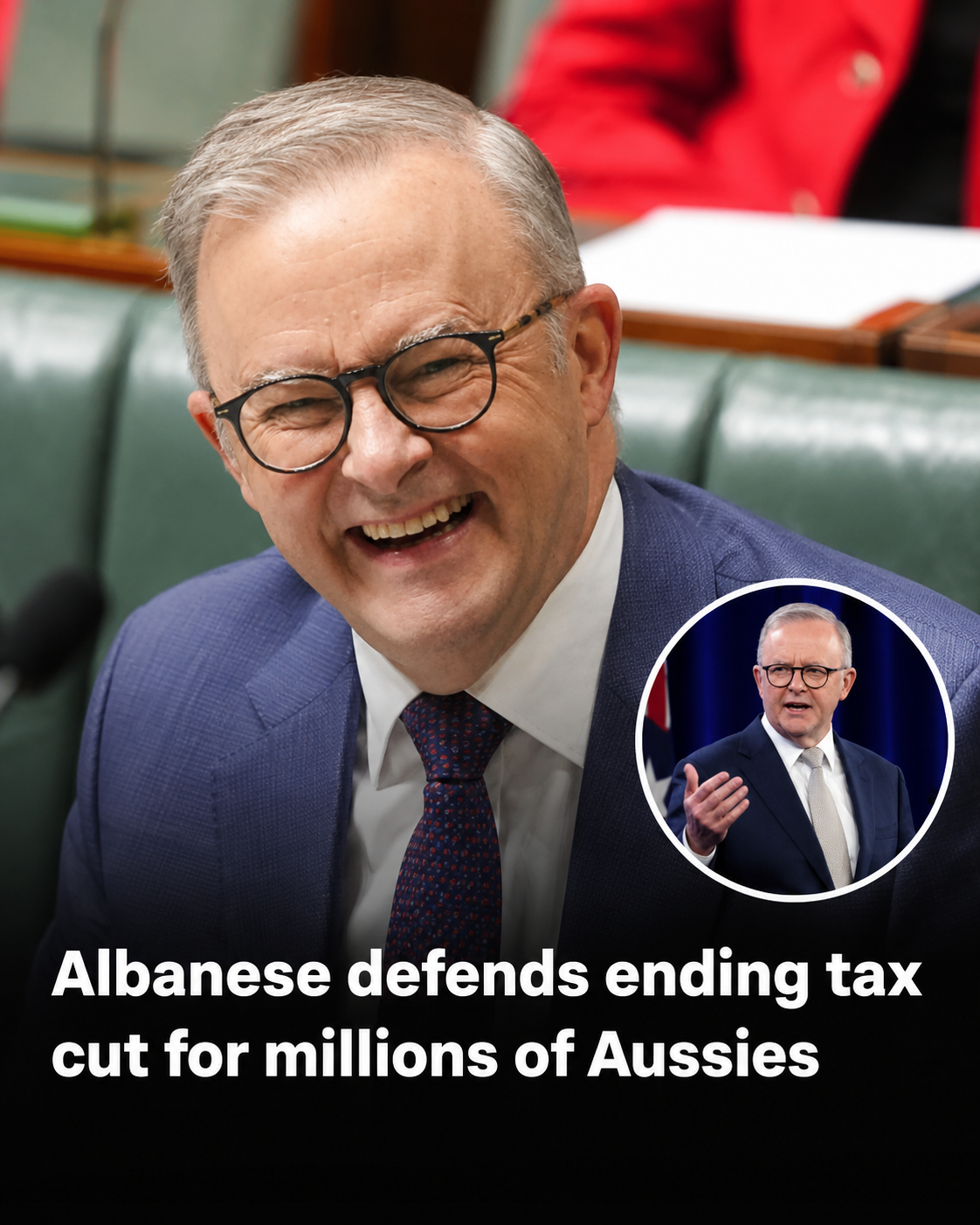
From 2 August, the remaining temporary reduction in Australia’s fuel excise will expire, restoring the full rate of fuel tax after several months of government assistance introduced in response to heightened instability in global energy markets.
The decision comes as international crude oil prices have again moved higher amid renewed geopolitical tensions in the Middle East, raising concerns that Australian motorists could soon face another increase in petrol prices.
The fuel excise relief was first introduced in April after escalating conflict involving the United States, Israel and Iran disrupted global energy markets and pushed oil prices sharply higher.
Initially, the government halved the excise, delivering savings of approximately 32 cents per litre for motorists over a three-month period.
In July, the assistance was extended for one additional month, although the discount was reduced to 16 cents per litre as wholesale fuel markets began to stabilise.
That extension was always scheduled to expire on 2 August, with no further continuation announced by the government.
Speaking to ABC News, Prime Minister Anthony Albanese defended the decision, saying the temporary fuel tax relief had achieved its intended purpose while Australia navigated a period of uncertainty in international oil markets.
“What we’ve moved to is permanent cost-of-living support,” Albanese said.
He pointed to a series of broader economic measures introduced by the government, including income tax reductions that commenced on 1 July, increases to the national minimum wage and the expansion of paid parental leave to six months.
“All of these measures are making a difference to the cost of living,” the Prime Minister said.
The government argues that while temporary fuel subsidies can provide short-term relief during periods of exceptional volatility, they are less effective than structural measures designed to improve household finances over the longer term.
Labor has repeatedly described its tax reforms and wage policies as more sustainable responses to persistent cost-of-living pressures than continuing temporary fuel tax reductions.
Nevertheless, the end of the excise discount has generated renewed criticism from the Coalition and some industry groups, who argue motorists remain under significant financial pressure.
Petrol remains one of the largest recurring household expenses for many Australians, particularly those living in regional and outer suburban communities where private vehicles are essential for work, education and daily travel.
With inflation easing only gradually and household budgets still stretched by higher mortgage repayments, electricity bills and grocery costs, even relatively modest increases in fuel prices can have noticeable effects on weekly living expenses.
Energy market analysts note that domestic fuel prices are influenced by several factors beyond Australia’s fuel excise.
International crude oil prices, refinery margins, shipping costs, exchange rates and retail competition all contribute to the final price motorists pay at service stations.
As a result, removing the temporary excise reduction does not necessarily translate directly into an equivalent increase at the pump, although it places upward pressure on retail prices unless offset by other market movements.
The latest international developments have complicated the outlook.
Brent crude has climbed above US$100 a barrel following renewed instability involving Iran and the United States, reversing some of the declines seen earlier in the year.
Higher oil prices generally flow through to Australian wholesale fuel costs within several weeks, depending on exchange rates and inventory levels.
The timing has prompted concern among economists that petrol prices could become another source of inflationary pressure if elevated oil prices persist.
Although fuel represents only one component of the Consumer Price Index, sustained increases can also influence transport costs for businesses, potentially feeding through into the prices of goods and services across the broader economy.
Reserve Bank policymakers have previously identified energy prices as one of several external risks capable of influencing Australia’s inflation outlook.
Australia’s fuel excise is a federal tax applied to petrol and diesel sold domestically.
The revenue contributes to general government funding rather than being hypothecated exclusively for road construction or transport infrastructure.
Historically, governments have occasionally adjusted the excise temporarily during periods of exceptional economic disruption, although long-term reductions have generally been resisted because of their significant impact on federal revenue.
Temporary excise relief also presents difficult policy trade-offs.
While lower fuel taxes reduce immediate household costs, they also reduce government revenue that can otherwise be directed toward public services or broader cost-of-living programs.
Economists remain divided over whether broad fuel tax reductions represent the most efficient form of assistance, noting that higher-income households with greater vehicle usage often receive larger financial benefits than lower-income Australians who drive less frequently.
Supporters of the government’s approach argue targeted tax cuts, higher wages and expanded family support provide broader assistance across the community.
Critics counter that motorists experience fuel price increases immediately and therefore benefit most from direct reductions in fuel taxation.
Industry organisations representing motorists have also urged governments to monitor retail pricing closely following the expiry of the excise relief, encouraging drivers to compare prices using available fuel price reporting services and to purchase fuel during lower points in local pricing cycles.
The political debate is likely to continue as Parliament returns.
Cost-of-living pressures remain one of the dominant issues facing the Albanese Government, with polling consistently showing household finances among voters’ highest concerns.
The government maintains that its broader package of tax relief, wage growth and social policy reforms offers more durable support than extending temporary fuel subsidies indefinitely.
Opposition parties, meanwhile, are expected to continue arguing that motorists require additional assistance while global energy markets remain volatile.
Whether petrol prices continue climbing will depend largely on international developments rather than domestic taxation alone.
If geopolitical tensions ease and oil prices retreat, retail fuel prices may stabilise despite the restoration of the full excise rate.
If crude prices remain elevated, however, Australian drivers could experience further increases over coming weeks, reinforcing cost-of-living concerns that have dominated national politics throughout the past year.
For households already managing higher mortgage repayments, insurance premiums and everyday expenses, the end of the fuel excise discount represents another reminder of how international events can quickly affect family budgets at home.






