Australia’s preparations for a major United Nations climate meeting in Fiji have come under growing political scrutiny after reports that few world leaders outside the Pacific region have committed to attending, despite months of planning and more than $150 million in taxpayer funding linked to Australia’s international COP31 responsibilities.
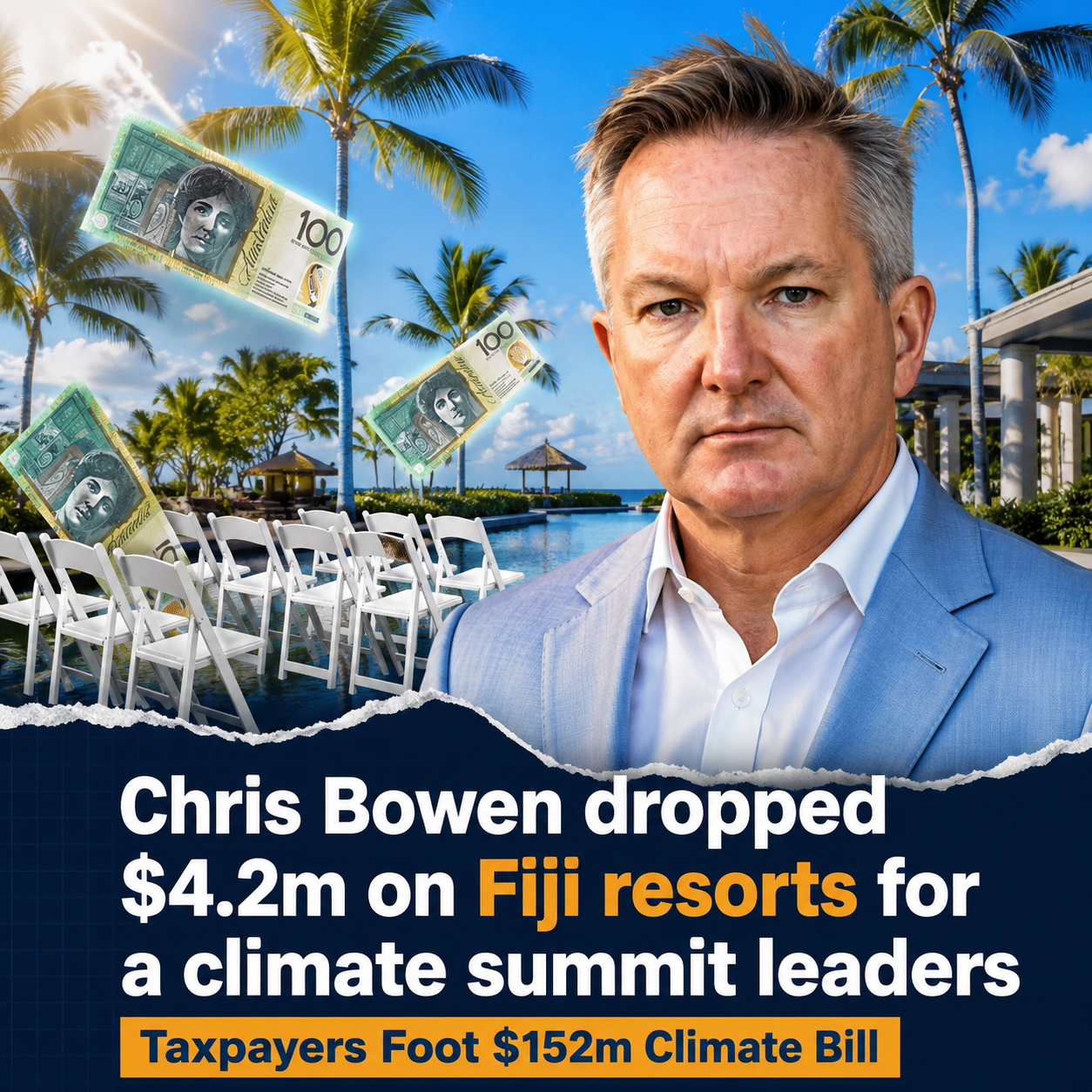
The controversy centres on the pre-COP meeting scheduled to be held in Fiji from 5 to 8 October, followed by a visit to Tuvalu. The gathering is intended to prepare governments for the main United Nations climate conference, COP31, which will be hosted by Turkey later this year after Australia stepped aside from its original joint hosting proposal. Under the compromise arrangement, Climate Change Minister Chris Bowen was appointed COP31 President of Negotiations, giving Australia a prominent diplomatic role despite not hosting the main summit.
According to reports, Australia’s invitations were directed primarily at presidents and prime ministers rather than climate or foreign ministers. However, diplomatic sources have indicated that, so far, no heads of government or heads of state from outside the Pacific have formally committed to attending the Fiji meeting, raising questions about whether the event will achieve the international profile the Albanese Government had anticipated.
The reported lack of high-level attendance has become a major point of attack for the Coalition, which argues the event represents poor value for taxpayers during a period of continuing cost-of-living pressures and rising electricity prices.
Shadow Energy Minister Dan Tehan described the summit as a “farce”, arguing that the Prime Minister should reconsider Chris Bowen’s position after significant public expenditure on an event that has yet to secure broad international participation. Opposition Leader Angus Taylor has similarly questioned whether Australians are receiving value for money from the government’s international climate commitments.
Budget estimates have previously indicated that Australia’s COP31 responsibilities during 2026 will cost taxpayers more than $150 million. The expenditure covers Australia’s negotiating role, engagement with Pacific nations, staffing, logistics and preparations for the Fiji meeting.
Among the spending attracting particular attention is approximately $4.2 million used to secure accommodation for overseas delegates at five-star resorts in Fiji. Separate procurement records also show almost $500,000 in travel expenditure during the first four months of the year, together with a contract worth more than $415,000 awarded for creative and digital communication services supporting COP31 activities.
Critics argue these costs are difficult to justify while many Australian households continue to experience financial pressure from higher energy bills.
Recent figures have shown growing numbers of households entering hardship arrangements with electricity retailers, making government spending on international climate diplomacy an increasingly sensitive political issue. Opposition MPs contend that domestic energy affordability should take priority over high-profile international conferences.
The government rejects those criticisms.
Bowen has consistently argued that Australia’s leadership role in global climate negotiations strengthens both the country’s international standing and its long-term economic interests.
He says the pre-COP meeting is designed to ensure Pacific nations—which are among the world’s most vulnerable to rising sea levels and extreme weather—have a stronger voice before formal negotiations begin later in the year.
Asked about attendance numbers, Bowen declined to discuss the travel plans of foreign governments.
Instead, he said Australia expected the meeting to bring together representatives from governments, industry and civil society to advance negotiations ahead of COP31.
“Pre-COPs are critical to setting the main COPs up for success,” Bowen said, arguing that focusing international attention on Pacific climate challenges would ultimately benefit both Australia and neighbouring island nations.
Climate diplomacy has become one of the Albanese Government’s key foreign policy priorities since coming to office in 2022.
Australia has sought to rebuild relationships with Pacific neighbours by increasing climate finance, expanding renewable energy partnerships and positioning itself as a constructive participant in international emissions negotiations.
The original bid to jointly host COP31 with Pacific nations formed a central part of that strategy before Turkey ultimately secured hosting rights under an international compromise. Australia nevertheless retained an influential negotiating role through Bowen’s appointment as President of Negotiations.
Supporters of the government’s approach argue that international climate engagement produces diplomatic benefits extending well beyond environmental policy.
Pacific governments have repeatedly identified climate change as their foremost security concern, and Australian participation in regional climate initiatives is viewed by many analysts as an important component of broader strategic engagement across the Pacific.
Critics, however, argue that those diplomatic objectives must be balanced against fiscal discipline, particularly during periods of persistent inflation and elevated household costs.
The debate has therefore evolved into a broader argument about spending priorities rather than simply attendance numbers.
Political analysts note that international conferences are frequently judged not only by the agreements ultimately reached but also by the calibre of delegates attending.
High-level political participation can help generate momentum for negotiations and attract international media attention, while meetings dominated by officials rather than national leaders may receive considerably less global visibility.
Even so, experienced climate negotiators point out that many of the most substantive discussions at pre-COP meetings are conducted by ministers, diplomats and technical officials rather than presidents or prime ministers.
As a result, the absence of numerous world leaders would not necessarily prevent negotiations from progressing, although it could diminish the event’s symbolic significance.
Bowen himself has previously acknowledged that modern COP conferences rarely produce dramatic breakthrough agreements comparable to the landmark Paris Agreement.
Instead, he has described recent conferences as incremental negotiations that gradually build international consensus across areas including electrification, energy efficiency, emissions reduction and climate finance.
The political pressure nevertheless appears unlikely to ease before the Fiji meeting begins.
Opposition parties are expected to continue questioning the value of Australia’s climate diplomacy, particularly if attendance remains below initial expectations.
For the Albanese Government, the summit represents an opportunity to demonstrate Australia’s leadership within the Pacific and reinforce its international climate credentials.
For the Coalition, it has become a prominent example of what it argues is excessive government spending at a time when many Australians remain focused on the rising cost of living.
Whether the Fiji gathering ultimately proves diplomatically successful may depend less on the number of presidents and prime ministers attending than on whether it helps produce meaningful progress before the formal COP31 negotiations later this year.
Until then, the debate surrounding Chris Bowen’s climate diplomacy is likely to remain firmly in Australia’s domestic political spotlight.






