A controversial segment aired on the ABC’s Race Around The World has entered a new phase after the national broadcaster referred audience complaints to its independent Ombudsman, while the filmmaker behind the piece has apologised for the offence it caused but insisted the work was never intended to encourage violence.
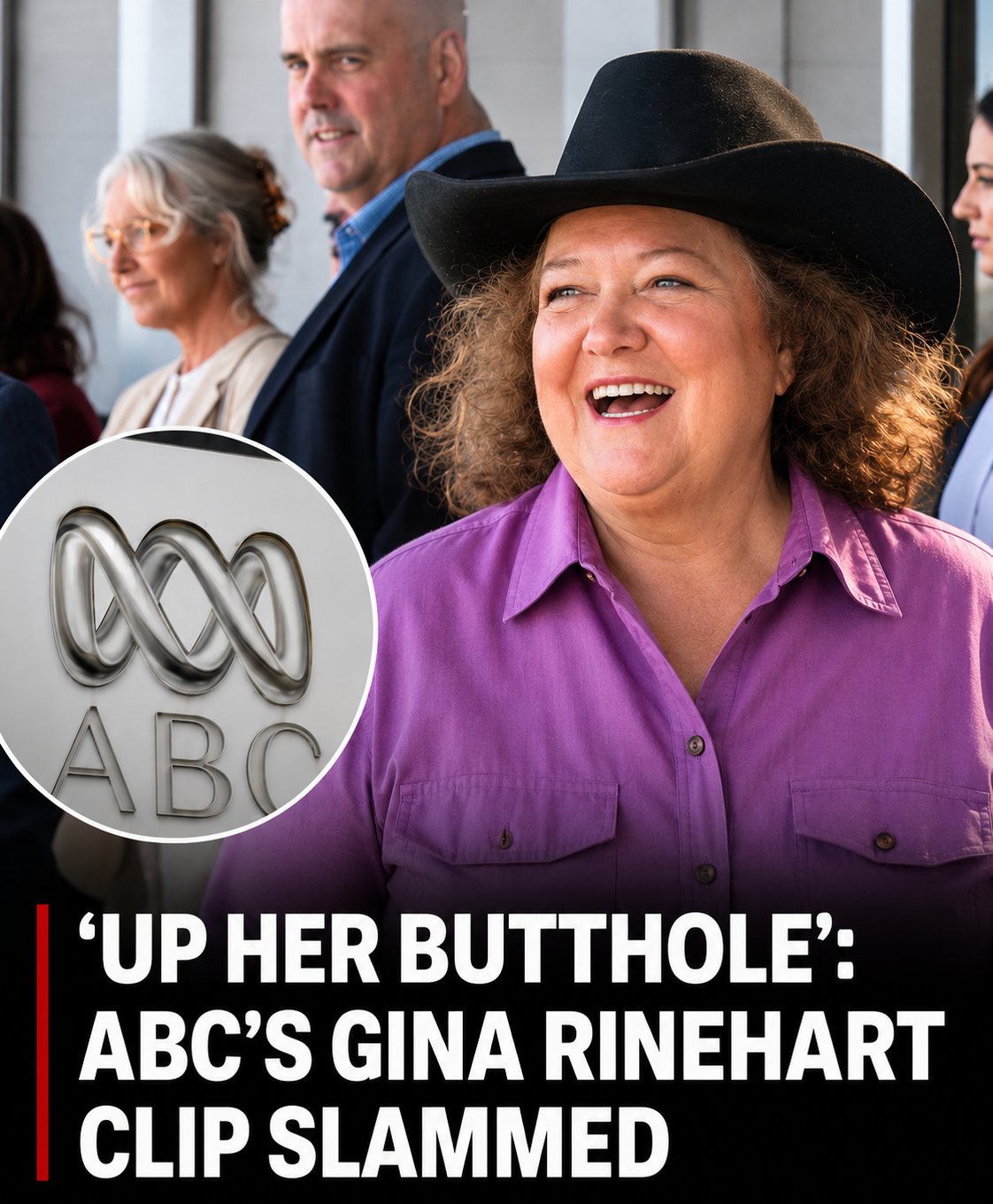
The dispute centres on a four-minute short film created by contestant Kate McGuinness that aired during an episode of Race Around The World. The segment contained graphic and highly controversial language directed at Australian mining executive Gina Rinehart, prompting widespread criticism from politicians, business leaders and members of the public.
Following several days of mounting backlash, the ABC confirmed complaints about the broadcast have been referred to the ABC Ombudsman, an independent office that reports directly to the broadcaster’s Board and reviews audience complaints relating to editorial standards. The broadcaster has indicated it will make no further public comment while that review is underway.
The referral represents the first significant procedural development since the controversy erupted, although it stops short of any admission that the program breached editorial policies.
At the same time, McGuinness issued a public apology through the ABC, saying she never intended to promote violence despite the intense criticism directed at her work.
“The sense of humour featured in each of my films on the Race Around The World program is farcical,” she said in her statement.
“In no way was it my intention to promote violence. My writing is cartoonish and always satirical. Unfortunately, jokes do not land with everyone. Its purpose was never to be taken literally. I apologise to anyone I’ve offended.”
Her apology came after Hancock Prospecting, the company chaired by Gina Rinehart, demanded that the ABC remove the segment and issue its own public apology.
The company argued the broadcast went well beyond legitimate satire, describing it as graphic material that normalised violence against one of Australia’s most prominent business figures.
Hancock Prospecting also questioned how the segment progressed through the broadcaster’s editorial review processes before being broadcast nationally.
Despite McGuinness’ apology, the ABC itself has not apologised.
Instead, the broadcaster has maintained that the film was intended to be satirical and was considered editorially justifiable within the broader context of the program.
ABC has also noted that while contributors to Race Around The World are not ABC journalists, every segment is assessed under the organisation’s editorial standards before being broadcast.
That position has become one of the central issues in the growing public debate.
Critics argue the controversy is no longer simply about one filmmaker’s creative choices but about whether the national broadcaster exercised appropriate editorial judgment before approving the material for broadcast.
Several commentators have noted that the segment was pre-recorded, edited and reviewed before reaching television audiences, meaning multiple editorial checkpoints existed before it aired.
The controversy has also attracted political attention.
Communications Minister Anika Wells described the segment as “unacceptable” while emphasising that, as minister, she respected the ABC’s editorial independence.
She nevertheless said referring the complaints to the Ombudsman was the appropriate course of action given the level of public concern.
Western Australian Premier Roger Cook similarly described the language used in the segment as unacceptable, although he stopped short of calling for direct government intervention in the ABC’s editorial decisions.
The Australian Communications and Media Authority (ACMA), Australia’s independent broadcast regulator, has not announced any investigation or enforcement action relating to the program.
Instead, the complaints process currently remains within the ABC’s own internal editorial review framework through the Ombudsman.
The incident has reignited broader debate about where the line should be drawn between satire and material that could reasonably be interpreted as encouraging or normalising violence.
Supporters of artistic freedom argue satire has traditionally relied on exaggeration, absurdity and provocative language to make political or social points.
Others contend that graphic depictions of violence directed at identifiable individuals—particularly when broadcast by a publicly funded national broadcaster—deserve closer scrutiny regardless of artistic intent.
The controversy has also highlighted the unique responsibilities carried by Australia’s national broadcaster.
Unlike commercial television networks, the ABC operates under a public charter requiring it to maintain high editorial standards while serving diverse Australian audiences.
Because it receives public funding, editorial decisions often attract heightened political and public examination, particularly when programming involves contentious political or social issues.
The Ombudsman’s review will examine whether the segment complied with the ABC’s Editorial Policies and complaints handling framework.
While the Ombudsman cannot impose legal penalties, its findings can determine whether editorial standards were breached and may recommend corrective action or changes to internal editorial practices.
The process also provides an independent assessment separate from the original production team that approved the broadcast.
Meanwhile, the controversial segment remains a focal point in wider discussions about media standards, editorial accountability and freedom of expression.
McGuinness’ apology has addressed one aspect of the controversy by clarifying her intentions, but it has not ended calls from critics who believe the ABC itself should apologise and explain how the material passed editorial review.
Whether the Ombudsman’s investigation ultimately supports the broadcaster’s original decision or identifies shortcomings in the editorial process is likely to shape the next stage of a debate that has extended well beyond a single television segment.
For now, the ABC continues to stand by its decision to broadcast the film while allowing its independent complaints process to determine whether its own editorial standards were met, leaving one of the year’s most controversial media disputes awaiting an official finding.






