One Nation South Australia leader Cory Bernardi has reignited one of Australia’s longest-running political debates, arguing the nation can remain proudly multi-ethnic while expecting migrants to adopt Australian values and integrate into the broader community.
Speaking during a wide-ranging interview with News24.com.au, Bernardi said Australia’s future prosperity depended not on ethnic background but on maintaining what he described as a culturally consistent national identity built around shared values, democratic institutions and social cohesion.
His comments come as immigration, housing affordability, population growth and social integration continue to dominate political discussion across Australia, with both major and minor parties offering competing visions for the country’s future. 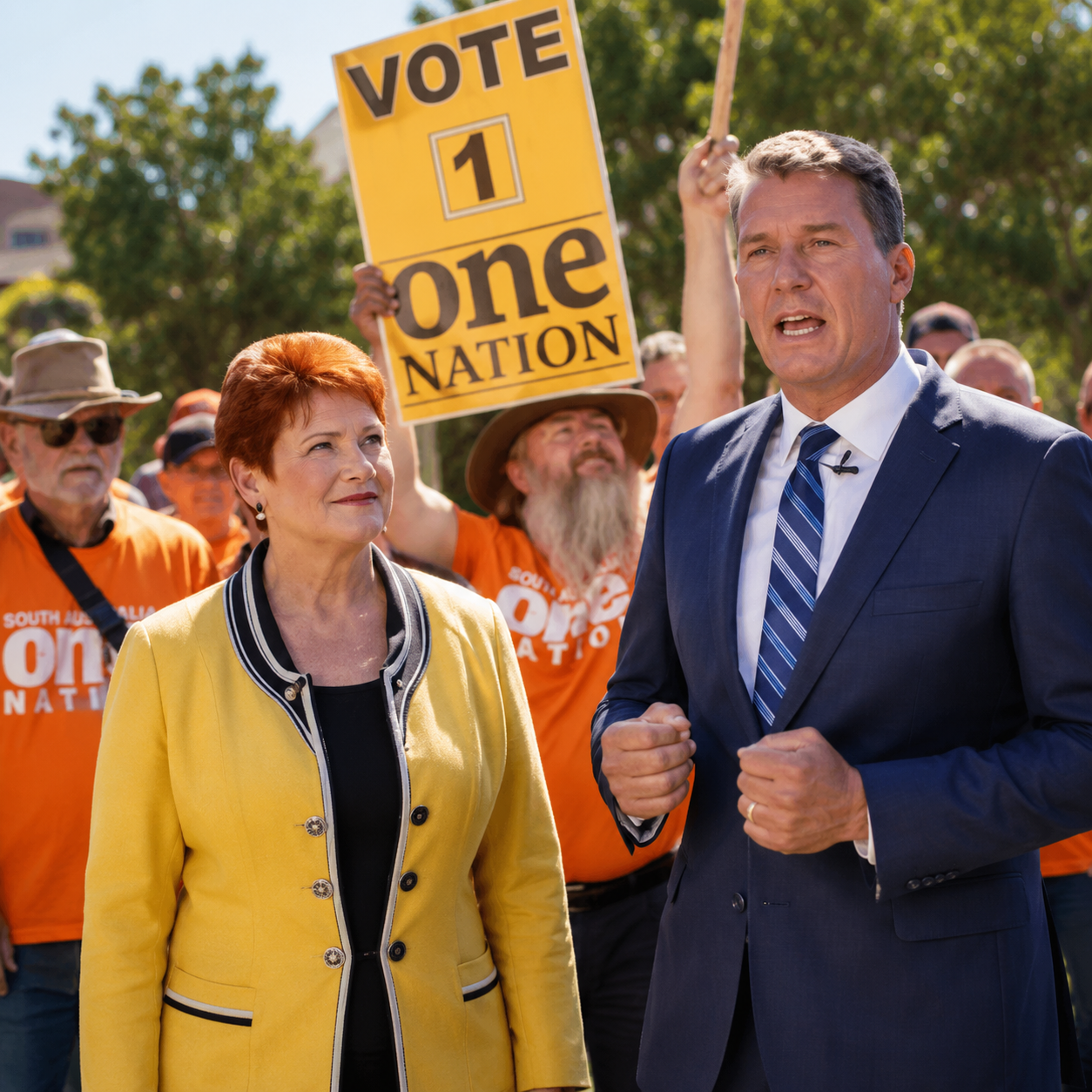
Bernardi rejected suggestions that advocating stronger cultural integration was incompatible with Australia remaining a diverse society.
Instead, he argued that ethnic diversity and cultural unity could coexist, provided new arrivals embraced Australia’s civic traditions, legal system and democratic values.
“Australia can remain a multi-ethnic society,” Bernardi said, but he argued it should remain “culturally consistent” by expecting migrants to integrate rather than encouraging the development of separate cultural communities.
Criticism of multiculturalism
Bernardi’s strongest criticism was directed not at immigration itself but at what he described as modern multiculturalism.
According to the One Nation MP, multiculturalism has evolved into what he called a “failed doctrine” because it discourages open discussion about immigration levels, national identity and social cohesion.
He argued that political leaders have become increasingly reluctant to defend Australia’s traditional institutions and values for fear of being criticised whenever concerns about integration are raised.
Bernardi said debates surrounding immigration should be conducted openly without automatically assuming that questions about cultural integration reflect hostility toward migrants.
Instead, he believes Australia should focus on ensuring newcomers become part of a shared national culture rather than encouraging separate cultural identities.
Multi-ethnic does not mean multicultural, Bernardi argues
A central theme of Bernardi’s argument is the distinction he draws between a multi-ethnic society and multiculturalism.
He accepts that Australians come from hundreds of different ethnic backgrounds and believes that diversity has contributed significantly to the country’s economic and social success.
However, he argues that diversity of ancestry should not replace a common national identity.
In Bernardi’s view, migrants should be encouraged to preserve family traditions and cultural heritage while simultaneously embracing Australia’s legal system, democratic institutions, equality before the law and English as the primary language of public life.
Supporters of this approach argue it strengthens national unity while allowing cultural diversity to flourish within a shared civic framework.
A debate that extends beyond One Nation
The issues raised by Bernardi are not unique to One Nation.
Questions surrounding migration levels, social cohesion and national identity have become increasingly prominent across many Western democracies over the past decade.
Population growth, housing shortages, infrastructure pressures and the integration of new migrant communities have all contributed to renewed political discussion in Australia, Europe and North America.
Recent polling has also shown immigration becoming one of the issues attracting growing public attention as Australians express concern about housing affordability, congestion and access to public services.
Those broader concerns have provided fertile political ground for parties advocating lower migration levels or stronger integration policies.
One Nation’s broader immigration platform
Bernardi’s comments align closely with the wider immigration agenda promoted by Pauline Hanson’s One Nation.
The party has proposed reducing Australia’s permanent migration intake to around 130,000 people annually, while continuing to prioritise skilled workers in occupations experiencing genuine shortages, including doctors and nurses.
One Nation argues lower migration would reduce pressure on housing, infrastructure and government services while improving opportunities for Australian workers.
The party has also proposed reforms affecting border security, foreign terrorist fighters and citizenship requirements as part of a broader national security and immigration agenda.
Supporters say integration builds stronger communities
Supporters of Bernardi’s position argue successful immigration has always depended upon newcomers integrating into Australia’s broader civic culture.
They point to previous generations of migrants who adopted English, participated in Australian institutions and contributed to the country’s economic development while still preserving aspects of their cultural heritage.
According to this perspective, encouraging shared values helps reduce social fragmentation and strengthens trust between different communities.
Advocates also argue that civic integration improves employment outcomes, educational participation and long-term social mobility for migrant families.
Critics defend multiculturalism
Supporters of Australia’s multicultural policy reject the suggestion that the framework has failed.
They argue multiculturalism has been one of Australia’s greatest strengths, enabling people from diverse cultural backgrounds to participate fully in Australian society while maintaining important aspects of their heritage.
Successive federal governments from both major parties have generally supported multiculturalism, describing it as compatible with democratic values, equality before the law and national unity.
Critics of Bernardi’s position also caution that debates about cultural identity should avoid creating unnecessary divisions or suggesting migrants are unwilling to integrate without evidence.
Many point to Australia’s long history of successful immigration as evidence that diversity and social cohesion can reinforce one another when supported by effective settlement policies.
Bernardi’s political background
Bernardi is no stranger to debates surrounding national identity and conservative politics.
Before joining One Nation in 2026, he served as a Liberal senator for South Australia and later founded the Australian Conservatives after leaving the Liberal Party in 2017.
Throughout his political career he has consistently advocated stronger border protection, lower immigration, greater emphasis on Australian values and more conservative approaches to cultural and social policy.
His decision to join One Nation earlier this year marked a significant development in Australian conservative politics and has strengthened the party’s presence in South Australia following the state election.
The national conversation continues
Bernardi’s remarks arrive during an increasingly active national conversation about Australia’s future population, migration program and cultural identity.
Housing affordability, infrastructure capacity, workforce shortages and economic growth all intersect with immigration policy, making the issue one of the most complex facing governments.
Political leaders across the spectrum broadly agree that Australia benefits from migration, but differ significantly on the appropriate scale of migration and the policies needed to support successful settlement.
One Nation argues Australia’s emphasis should shift toward stronger cultural integration and lower migration numbers, while Labor and the Coalition have generally continued to support multiculturalism alongside varying immigration targets.
As Australia prepares for future federal and state elections, questions surrounding immigration, national identity and social cohesion are expected to remain central political issues.
Bernardi’s intervention illustrates the continuing divide over how Australia should balance cultural diversity with a shared national identity. While supporters argue stronger integration protects Australia’s social fabric, critics maintain multiculturalism has been fundamental to the nation’s modern success. That debate is unlikely to disappear anytime soon, ensuring immigration and Australian identity remain among the country’s most closely contested political topics.






