For years, Pauline Hanson’s fundraising relied largely on her party’s traditional support base—voters frustrated with immigration policy, regional communities and Australians who believed the major parties had stopped listening.
Today, that picture appears to be changing.
One Nation’s latest crowdfunding campaign, branded “Fire the Liar“, has evolved into far more than a fundraising exercise. It has become a political barometer, with the party claiming tens of thousands of Australians have contributed financially, many of them people who had never before donated to One Nation—or to any political party at all.
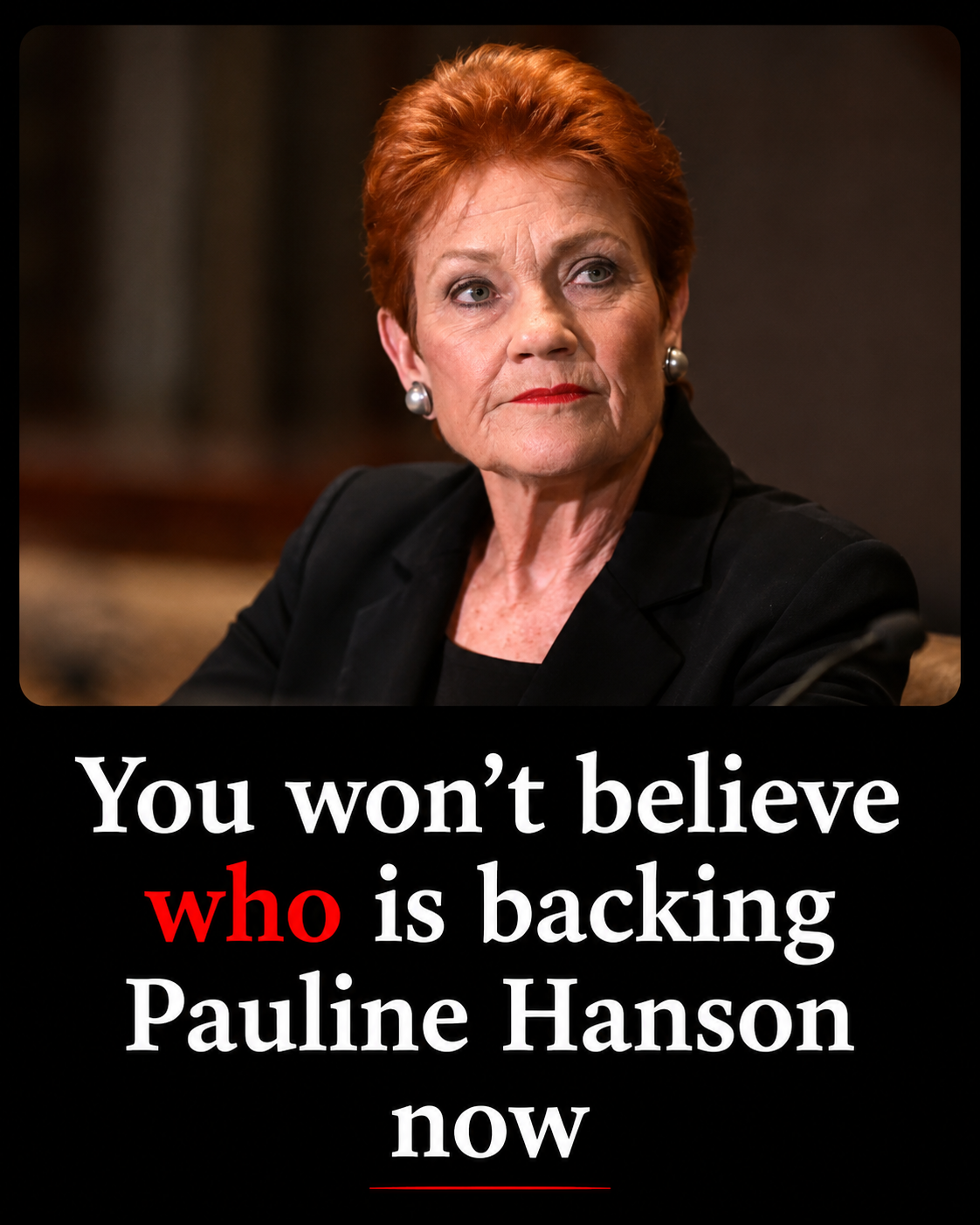
That shift is attracting attention well beyond One Nation headquarters.
Political strategists from both Labor and the Coalition increasingly view political donations not simply as financial contributions but as indicators of enthusiasm. Casting a vote every few years requires relatively little commitment. Donating money—even a modest amount—usually signals a far deeper level of political engagement.
According to One Nation, the “Fire the Liar” campaign has attracted approximately 60,000 donors and raised around A$4 million. The campaign centres on accusations that Prime Minister Anthony Albanese broke promises relating to capital gains tax and negative gearing reforms, although the Government disputes that characterisation and defends its housing and tax agenda.
What has surprised observers is not merely the amount raised but the reported diversity of the donor base.
Columnist Rory Gibson argues the campaign is attracting support from Australians who would not traditionally have been associated with Pauline Hanson or One Nation. These reportedly include former Liberal voters frustrated with the Coalition’s electoral performance, Labor supporters dissatisfied with cost-of-living pressures and individuals who describe themselves as politically disengaged until recently.
While One Nation has not publicly released a comprehensive breakdown of donors, the broader trend aligns with recent polling showing the party expanding beyond its historical electoral base.
Several national opinion polls conducted during 2026 have shown One Nation polling at levels unprecedented in its modern history, at times overtaking the Liberal–National Coalition as the highest-polling force on Australia’s political right.
For political analysts, fundraising and polling often reinforce each other.
Growing public support encourages more donations, while larger campaign budgets enable parties to advertise more aggressively, recruit stronger candidates and expand their grassroots operations.
That cycle has become particularly important for minor parties seeking to compete against Labor and the Coalition, both of which possess longstanding organisational and financial advantages.
The “Fire the Liar” campaign also illustrates how political fundraising itself has evolved.
Rather than relying primarily on large corporate donations or fundraising dinners, One Nation has increasingly adopted digital crowdfunding strategies similar to those used by populist movements overseas.
Small online donations allow supporters to feel personally invested while enabling parties to build extensive databases for future campaigning.
The approach mirrors successful fundraising models used by political movements in the United States and parts of Europe, where repeated small contributions have become a major source of campaign finance.
One Nation has complemented the online campaign with highly visible publicity, including billboard trucks targeting the Prime Minister’s electorate and a nationwide social media push encouraging supporters to share fundraising milestones.
The slogan itself has become politically significant.
“Fire the Liar” refers to accusations by One Nation that Labor abandoned commitments relating to tax policy following the federal election. Labor rejects those accusations, arguing its reforms were openly explained and are designed to improve housing affordability and create a fairer taxation system. The disagreement illustrates how campaign slogans often simplify much broader policy debates.
Beyond the slogan, however, lies a deeper political question.
Why are more Australians apparently prepared not only to vote for One Nation but also to financially support it?
Many analysts point first to the cost-of-living crisis.
Although inflation has eased compared with its earlier peak, Australians continue facing elevated housing costs, higher mortgage repayments, rising insurance premiums and persistent pressure on household budgets.
Housing affordability remains one of the country’s most contentious political issues, while debates over migration, taxation and government spending continue dominating public discussion.
For some voters, these pressures have weakened confidence in the major parties’ ability to deliver meaningful change.
That broader dissatisfaction has benefited not only One Nation but also various independents and minor parties across the political spectrum.
Political scientists frequently describe this phenomenon as protest politics: support motivated less by ideological agreement than by frustration with established institutions.
In that context, donating to One Nation becomes not merely an endorsement of Pauline Hanson but an expression of dissatisfaction with Australia’s political establishment.
The Financial Times recently observed that One Nation’s expanding support reflects wider international trends seen in countries where populist parties have gained momentum amid economic uncertainty, rising migration debates and declining trust in traditional political institutions.
That does not necessarily mean One Nation’s support will continue growing indefinitely.
Political history contains numerous examples of insurgent movements enjoying rapid rises before encountering greater scrutiny during election campaigns.
Indeed, polling after some of Hanson’s more controversial speeches has suggested public attention can also expose limits to the party’s appeal.
One Nation also continues to carry political baggage accumulated over nearly three decades.
Pauline Hanson remains one of Australia’s most polarising politicians, and many of her statements on immigration, multiculturalism and Islam have attracted strong criticism from political opponents, community organisations and civil society groups. Those controversies remain a significant barrier to broader electoral acceptance among many voters.
Nevertheless, fundraising success gives the party practical advantages regardless of future polling.
Campaign money finances advertising, candidate recruitment, volunteer coordination, digital outreach and election logistics. For a party that has traditionally operated with fewer resources than Labor or the Coalition, millions of additional dollars represent a substantial organisational boost.
The campaign has also highlighted another changing feature of Australian politics.
Digital platforms increasingly allow parties to communicate directly with supporters without relying exclusively on traditional media. Crowdfunding campaigns, email databases and social media communities can sustain political movements even when mainstream coverage is critical.
For Labor and the Coalition, the significance of the “Fire the Liar” campaign extends beyond the money itself.
If people from diverse political backgrounds are now contributing financially to One Nation, it suggests dissatisfaction may be spreading across traditional partisan boundaries rather than remaining confined to a single ideological constituency.
That possibility matters because political donations often reveal enthusiasm before election results do.
Supporters willing to contribute financially are also more likely to volunteer, persuade others and remain politically engaged throughout a campaign.
Whether One Nation ultimately converts fundraising momentum into additional parliamentary seats remains uncertain.
Australia’s preferential voting system, candidate quality and local electoral dynamics will continue playing decisive roles at future elections.
Even so, the campaign offers an important insight into Australia’s evolving political landscape.
The people backing Pauline Hanson’s latest fundraising drive may not all share the same ideology, policy priorities or long-term political loyalties. But together they point towards something larger: a growing willingness among some Australians to invest—not just emotionally but financially—in alternatives to the traditional two-party system.
For the major parties, that may be the most important message of all.






