Prime Minister Anthony Albanese has defended his attendance at an exclusive Labor Party fundraising dinner in Sydney after repeated questions about the event and its connection to businessman Felix Lee, whose father was previously the subject of a major Australian Taxation Office dispute.
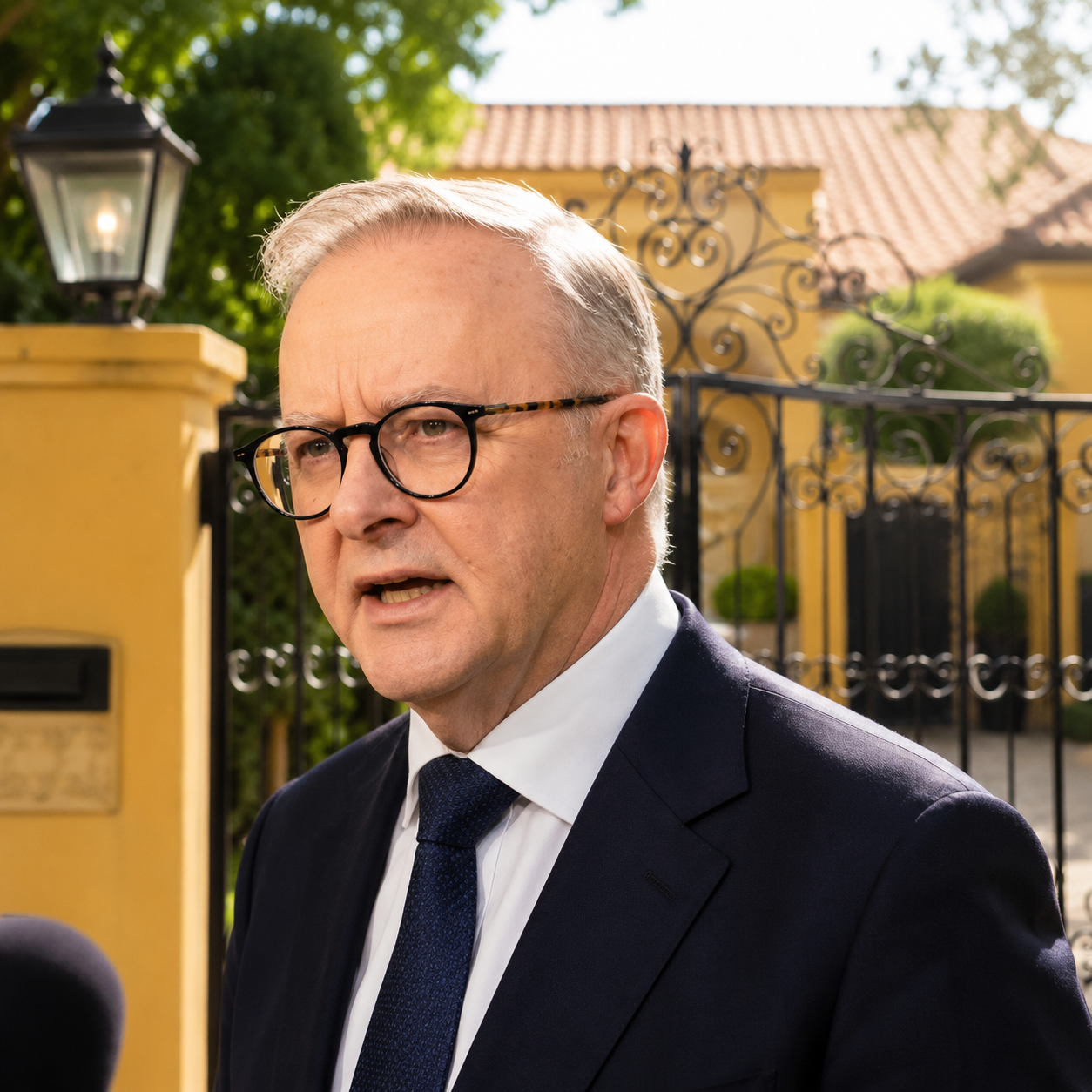
The fundraiser was held at Felix Lee’s waterfront residence, known as Mandalay Mansion, in Point Piper, one of Sydney’s most exclusive suburbs. Reports indicate tickets were priced at up to A$10,000 per person, with the proceeds intended to support the Australian Labor Party.
The event has become politically contentious because Felix Lee is the son of Phillip Dong Fang Lee, a Chinese-born billionaire businessman who was previously pursued by the Australian Taxation Office over an alleged tax liability of approximately A$273 million. That dispute was ultimately settled, and Phillip Lee has not been convicted of any criminal offence arising from the matter.
During an appearance on the ABC’s Insiders, Albanese was repeatedly questioned about why he chose to attend the fundraiser.
Rather than discussing the host or the Lee family’s background, the Prime Minister responded that attending fundraising events is a routine part of his role.
“I attend lots of functions,” he said. When pressed further, he again replied that he attends “lots of dinners”, declining to elaborate on the specific event.
The Prime Minister was also asked whether he had been aware of the earlier ATO proceedings involving Phillip Lee before attending the dinner.
According to subsequent reporting, Albanese indicated he had not been aware of the details of the historical tax dispute and maintained that political leaders regularly attend events hosted by a wide range of community members and supporters.
Questions surrounding the fundraiser have focused not only on the Lee family’s past but also on the scale of donations associated with the event.
Initial reports suggested Labor could receive as much as A$1 million from the fundraiser. However, later reporting indicated the amount actually raised was substantially lower, with Labor sources stating the event generated less than A$100,000 through ticket sales and associated contributions.
The dinner was attended by a number of prominent figures from business and public life, including former Victorian premier Daniel Andrews and Commonwealth Bank chief executive Matt Comyn, highlighting the continuing role that private fundraising events play in Australia’s political system.
Opposition politicians have used the controversy to question Labor’s judgment.
Liberal senator James Paterson argued that the Prime Minister should provide greater transparency about why he attended the event and whether appropriate background checks had been undertaken. National Party senator Matt Canavan went further, calling on Labor to return any donations linked to the fundraiser in order to protect public confidence in the political process.
One Nation leader Pauline Hanson has also criticised Albanese, accusing him of applying “double standards” by avoiding detailed answers about the fundraiser while expecting accountability from political opponents in other circumstances.
Senior Labor ministers have rejected suggestions that anything improper occurred.
Social Services Minister Tanya Plibersek said the Prime Minister does not personally receive donations and noted that contributions above Australia’s disclosure threshold must be reported under federal electoral law. Emergency Management Minister Kirsty McBain likewise argued that attending fundraising functions is a routine responsibility for political leaders from all major parties and does not imply inappropriate influence.
The controversy has also drawn renewed attention to Australia’s political donation framework.
Federal electoral law requires significant political donations to be disclosed publicly, while recent reforms introduced by Parliament are intended to strengthen transparency by lowering disclosure thresholds and imposing caps on future donations and campaign expenditure. Supporters argue these reforms will reduce the influence of wealthy donors, while critics contend that high-value private fundraising events continue to raise legitimate questions about access to political leaders.
Political fundraising has long been a feature of Australian democracy.
Both Labor and the Coalition regularly hold dinners, business forums and fundraising events where supporters pay for attendance. Such events are lawful provided they comply with electoral laws governing disclosure and political finance. However, they frequently attract public scrutiny whenever attendees or donors have previously been associated with significant commercial, legal or regulatory matters.
In this case, no evidence has been presented that the Prime Minister or the government intervened in relation to the historical ATO dispute involving Phillip Lee, nor has any allegation been made that the fundraiser influenced government decision-making.
Nevertheless, the episode illustrates the ongoing challenge governments face in balancing legitimate political fundraising with maintaining public confidence in transparency and integrity. For critics, the appearance of attending an exclusive event linked to a prominent family previously involved in a high-profile tax dispute raises questions about judgment. For the government, the issue reflects the ordinary realities of political fundraising conducted under Australia’s disclosure laws.
Whether the controversy subsides is likely to depend on what additional information emerges about the fundraiser and any donations ultimately disclosed through the Australian Electoral Commission’s reporting process. For now, Albanese continues to maintain that attending such events is simply part of the job, while opponents argue Australians are entitled to more detailed explanations when political fundraising intersects with high-profile business figures.






