The Albanese government has come under renewed pressure over its approach to gambling reform after figures revealed the Australian Labor Party received more than $4 million in donations linked to the gambling industry over the past five financial years, including approximately $1.5 million around the last federal election.
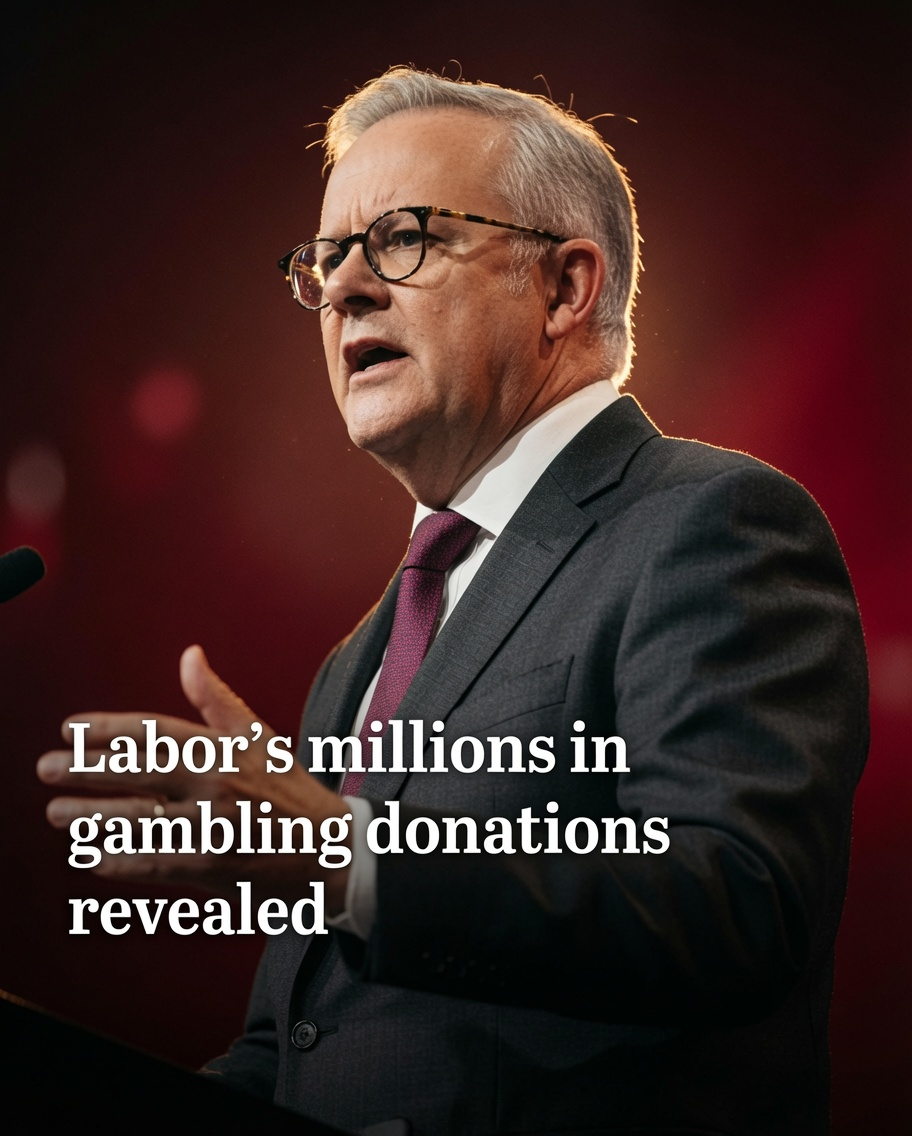
The donations have returned to the spotlight as Labor delegates gather in Adelaide for the party’s National Conference, where members are debating policy priorities for the next three years and whether the government should strengthen its proposed restrictions on gambling advertising.
The timing has intensified scrutiny of the government’s relationship with Australia’s gambling sector. On the same day Labor’s influential Left faction considers pushing for tougher reforms, hospitality and poker machine giant Endeavour Group is sponsoring a fundraising event on the sidelines of the conference.
The coincidence has fuelled criticism from gambling reform advocates, who argue political donations from wagering companies, hotels, clubs and poker machine operators create an appearance of conflict when governments consider tighter regulation.
According to publicly disclosed political donation records, Labor received more than $4 million from gambling-related interests between the 2020–21 and 2024–25 financial years. Around $1.5 million was disclosed during the period surrounding the most recent federal election, with donations coming from wagering companies, hotels, clubs and several businesses associated with poker machine operations.
Among those contributors is Endeavour Group, Australia’s largest hotel operator and one of the country’s biggest owners of licensed gaming venues. The company disclosed donations to Labor before the election and is now sponsoring a fundraising function connected with the National Conference.
Although political donations from regulated industries are legal under Australian electoral law, they have become increasingly controversial as governments consider reforms that could directly affect those industries’ commercial interests.
For the Albanese government, gambling reform has proven particularly difficult.
Calls for stronger action accelerated following the release of the landmark parliamentary inquiry You Win Some, You Lose More, chaired by the late Labor MP Peta Murphy in 2023. The inquiry recommended sweeping reforms aimed at reducing gambling harm, including a comprehensive ban on gambling advertising across all media platforms over a three-year transition period.
Instead of implementing the inquiry’s recommendations in full, the government introduced legislation in June that proposes a more limited package of reforms.
Under the proposed laws, television gambling advertisements would face tighter daytime restrictions, online platforms would be required to provide users with an option to opt out of gambling advertising, and sponsorship advertising on stadiums and sporting jerseys would be phased out over time.
The package has drawn criticism from multiple directions.
Public health advocates and gambling reform organisations argue the measures fall well short of the Murphy inquiry’s recommendations, while some industry representatives warn additional restrictions could have unintended consequences for sporting organisations, broadcasters and licensed venues.
The Alliance for Gambling Reform, Wesley Mission and more than twenty community organisations recently urged Parliament to strengthen the legislation further, arguing the proposed framework would not adequately reduce gambling harm or children’s exposure to betting advertisements. They continue to support a pathway towards a comprehensive advertising ban and tighter restrictions on promotional inducements such as bonus bets.
Within Labor itself, gambling policy has become one of the party’s more sensitive internal debates.
The party’s Left faction has been considering whether to seek amendments to Labor’s national platform during this week’s conference, including stronger commitments on gambling regulation and the possible establishment of a dedicated national gambling regulator—another recommendation contained in the Murphy inquiry.
However, many insiders expect any challenge to be relatively restrained.
Several Labor MPs believe introducing the government’s current legislation has helped ease internal pressure by demonstrating that reform is underway, even if the final package is less ambitious than many campaigners had hoped.
Supporters of the government’s approach argue meaningful reforms often need to be introduced gradually, particularly in areas involving multiple state and territory jurisdictions, commercial broadcasting arrangements and sporting codes that depend heavily on wagering sponsorship revenue.
Critics disagree, arguing the government has missed a rare opportunity to implement structural change.
The debate extends well beyond advertising.
Australia has one of the world’s highest gambling participation rates, particularly through electronic gaming machines—commonly known as pokies—which remain concentrated in pubs and clubs across several states.
Researchers, financial counsellors and public health organisations have consistently linked excessive gambling with financial hardship, relationship breakdown, mental health issues and family violence.
Those concerns have increased political momentum for reform over recent years, particularly after evidence presented to the Murphy inquiry highlighted the volume of gambling advertising seen by children during televised sport and across digital platforms.
The Albanese government has repeatedly said it supports reducing gambling harm while seeking what it describes as a balanced regulatory framework.
Ministers have argued their proposed legislation represents the most significant federal intervention into gambling advertising to date, while acknowledging additional reforms may be considered in future.
Nevertheless, advocacy groups contend the current proposal would still allow substantial gambling promotion to continue across Australian media and sporting broadcasts.
The issue has also reignited broader questions about political donations.
Transparency advocates have long argued donations from industries directly affected by government regulation risk undermining public confidence in political decision-making, even where no improper influence occurs.
Australia has progressively strengthened political donation disclosure requirements, but debate continues over whether certain industries—including gambling, alcohol and tobacco—should face tighter limits or outright bans on political contributions.
Recent disclosure data show gambling-related companies remain significant political donors across Australia’s major parties, with Labor receiving the largest share of donations from the sector during some reporting periods.
The government has rejected suggestions that donations influence policy decisions, maintaining that gambling reform has been developed through consultation with public health experts, sporting organisations, broadcasters and industry stakeholders.
Opposition parties and independent MPs, however, continue to question whether stronger reforms have been delayed because of competing political and commercial interests.
As Labor’s National Conference continues in Adelaide, gambling reform is unlikely to dominate every policy discussion, with delegates also considering issues including taxation, housing, diversity and climate policy.
Even so, the renewed attention on political donations has ensured gambling policy remains one of the conference’s most closely watched debates.
Whether the party ultimately strengthens its long-term platform or remains committed to the government’s existing legislative package, the discussion highlights the continuing challenge of balancing public health concerns, industry interests and political realities in one of Australia’s most contentious policy areas.






