A fiery exchange between ABC 7.30 host Sarah Ferguson and One Nation MP Barnaby Joyce has continued to generate debate days after the interview aired, with conservative commentator Gerard Henderson arguing the real story was not Joyce’s brief outburst at his dog but Ferguson’s interviewing style.
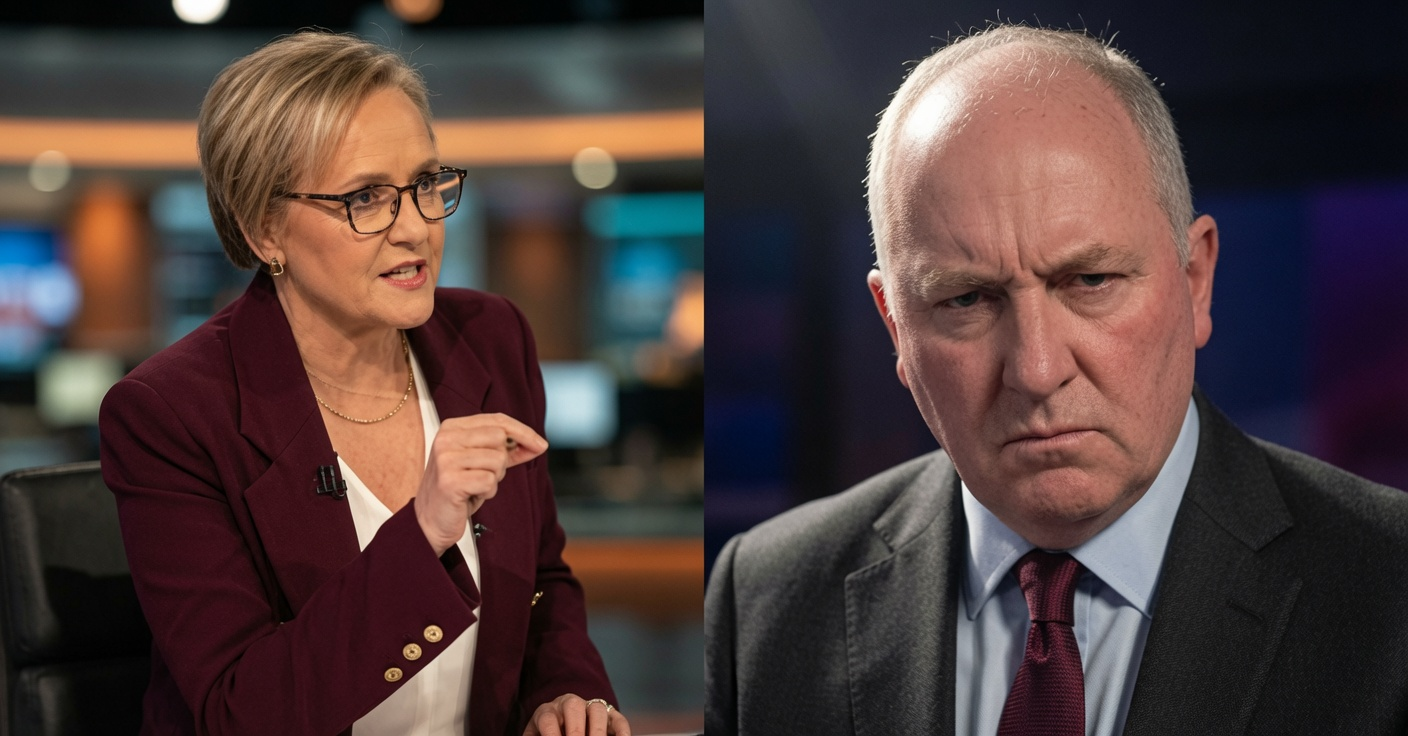
The interview, broadcast on ABC’s 7.30, quickly went viral after Joyce interrupted one of Ferguson’s questions to shout “Sit down!” at his barking farm dog before attempting to resume the discussion. Moments later, another interruption involving the dog led Ferguson to respond, “Don’t worry about the dog. Just answer the question,” prompting Joyce to accuse the veteran journalist of being “rude”.
The unusual exchange rapidly spread across Australian and international media, with the interview attracting millions of online views and extensive discussion across television, newspapers and social media. Even overseas programs highlighted the moment, which many viewers initially treated as a humorous television blooper before attention shifted back to the substance of the interview.
Writing in a commentary piece, Gerard Henderson argued that the focus on Joyce shouting at his dog had overshadowed what he regarded as the more significant issue: Ferguson’s handling of the interview.
According to Henderson, Ferguson’s repeated insistence that Joyce “just answer the question” reflected an unnecessarily confrontational approach that, in his view, has characterised many of her interviews with conservative politicians over the years.
He contended that Joyce was effectively treated “like a school child” rather than a political interview subject and suggested Ferguson displayed visible frustration when Joyce attempted to explain interruptions or challenge aspects of her questioning.
Henderson’s assessment represents opinion rather than fact and reflects his long-standing criticism of what he sees as ideological imbalance in sections of the Australian media.
The interview itself centred on several politically contentious issues surrounding One Nation and party leader Pauline Hanson.
Ferguson questioned Joyce about Hanson’s recent overseas trip, including her meetings with controversial British political figures, her comments on immigration and mass deportation policies, and questions surrounding who funded aspects of her European travel.
Joyce defended Hanson throughout much of the interview, rejecting suggestions that joining One Nation had drawn him towards intolerance or racial discrimination. He also dismissed speculation over funding for Hanson’s overseas travel, saying he did not know who had paid for the trip and had not asked.
The atmosphere became noticeably more tense after Ferguson pressed Joyce on immigration enforcement proposals and repeatedly sought direct answers to questions she believed he was avoiding.
When Joyce apologised for being distracted by his barking dog, Ferguson attempted to steer the conversation back to the policy discussion, saying: “Don’t worry about the dog. Just answer the question.”
Joyce immediately responded: “Don’t be rude. Otherwise this interview will come to a grinding point, Sarah,” before asking her to repeat the question.
The exchange became one of the defining moments of the interview, generating debate over whether Ferguson had crossed the line from persistent questioning into unnecessary confrontation or whether she was simply performing the role expected of an experienced current affairs interviewer.
Supporters of Ferguson argued that political interviewers have an obligation to press elected representatives when they appear to avoid answering questions, particularly on matters of public interest involving immigration policy, political associations and transparency.
Critics, however, suggested the interview became overly adversarial and that Ferguson’s tone distracted from the substantive policy discussion.
The ABC has not indicated there was any concern regarding Ferguson’s conduct, and the interview remains available through the broadcaster’s official platforms.
The incident also attracted fresh attention after Joyce’s wife, journalist Vikki Campion, published her own account of the interview experience, while Ferguson later discussed the now-famous dog interruption during an ABC Radio appearance.
Questions even emerged over whether the dog had barked at particular moments during the interview, although Ferguson said she believed the interruption was genuine. Henderson argued there was little reason to believe Joyce had fabricated the distraction.
Barnaby Joyce has since explained that the dog involved was his farm dog, Stella, which had been barking beneath the deck where he was conducting the remote television interview from his rural New South Wales property.
Speaking after the broadcast, Joyce apologised for shouting at the animal and joked that he felt sorry for having “verbally assaulted” the dog. He also said there were far more important issues facing Australia than his brief interruption during a live television interview.
The viral moment nevertheless became difficult to separate from the wider political issues being discussed.
The interview took place during a period of heightened scrutiny of One Nation following Hanson’s overseas meetings with controversial figures, debate over the party’s immigration policies and renewed discussion about comments made by several senior party members.
Instead of those policy questions dominating headlines, much of the public conversation centred on Joyce’s interaction with his dog and his increasingly tense exchanges with Ferguson.
Media analysts have observed that memorable television moments frequently overshadow the policy discussions they accompany, particularly when unexpected events occur during live or remote interviews.
For Ferguson, whose interviewing style has long been recognised as direct and uncompromising, the latest controversy fits a broader public conversation about the balance between rigorous accountability journalism and maintaining an interview environment that encourages meaningful answers rather than confrontation.
As one of the ABC’s most prominent current affairs presenters, Ferguson has built a reputation through years of investigative reporting and high-profile political interviews. Her supporters argue that persistent questioning is essential to holding public figures accountable, while critics contend that an overly combative approach can become part of the story itself.
Joyce, meanwhile, has attempted to downplay the incident, saying the barking dog briefly disrupted his concentration but insisting the exchange should not distract from the broader political issues under discussion.
Whether viewers saw the interview as an example of robust journalism or unnecessary confrontation largely depended on their perspective. What is beyond dispute is that the exchange became one of the most talked-about Australian television interviews of the week, generating widespread discussion about political interviewing, media impartiality and the unpredictable nature of live broadcasting.






