Reform UK leader Nigel Farage has publicly backed Pauline Hanson after the One Nation leader used a visit to one of London’s most culturally diverse communities to argue that Australia should avoid following Britain’s approach to multiculturalism and immigration.
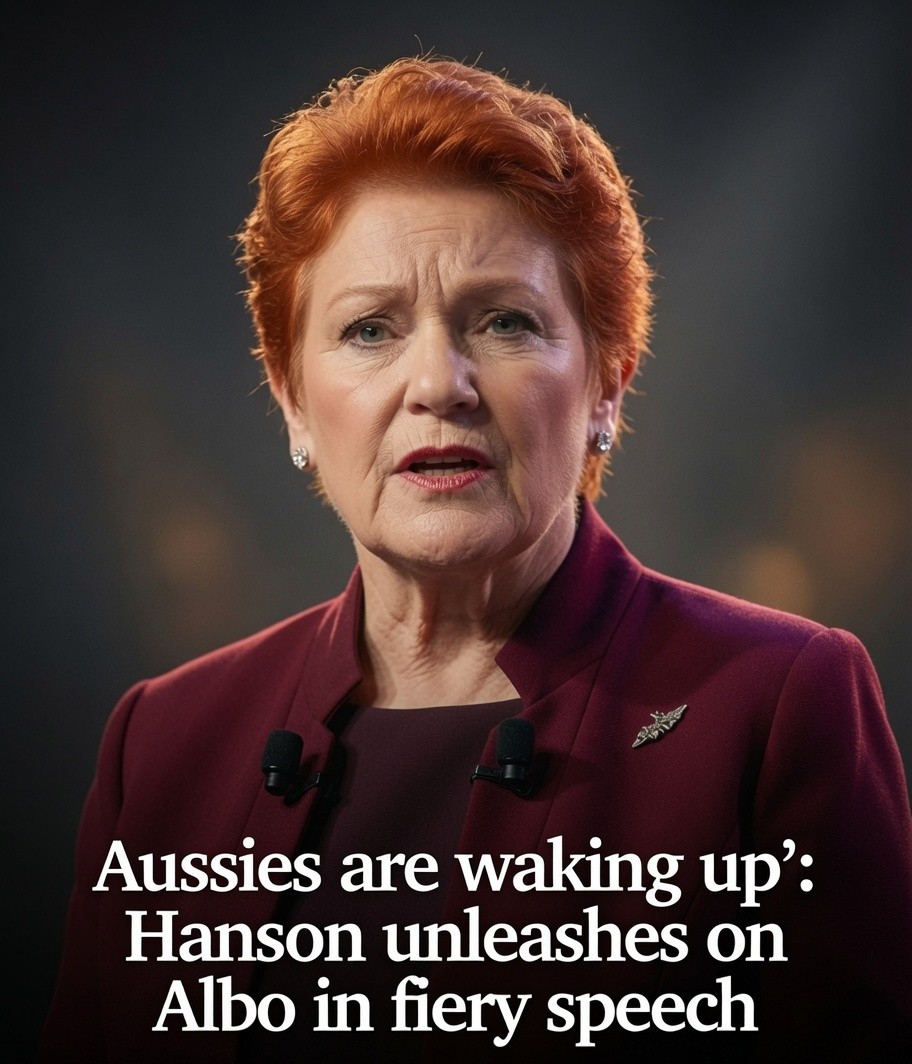
Hanson made the comments during a speech at the Conservative Political Action Conference (CPAC) in London after visiting Tower Hamlets, an East London borough known for its multicultural population and large British Bangladeshi community.
Describing the visit as a “rude awakening”, Hanson said it reinforced her belief that Australia should significantly reduce migration and avoid policies she argued had transformed parts of Britain.
She said the Albanese Government’s migration settings were contributing to many of Australia’s current challenges and warned that continued high migration risked repeating what she viewed as Britain’s mistakes.
Among the most controversial aspects of Hanson’s speech were her comments about the burqa.
The One Nation leader said she did not want the burqa to become part of Australian society, arguing that migrants should embrace Australian customs and integrate into the broader community rather than maintaining practices she believes conflict with Australian values.
Hanson also criticised multiculturalism, saying it had weakened national identity and social cohesion in several Western countries.
She argued Australia should instead pursue lower migration levels and place greater emphasis on assimilation into a shared national culture.
Farage, who has built much of his political career around campaigning against high immigration and promoting tighter border controls, welcomed Hanson’s remarks.
The Reform UK leader said many Australians appeared to share concerns similar to those expressed by British voters in recent years and praised Hanson for raising issues he believed the political establishment preferred to avoid.
Farage suggested growing support for One Nation reflected wider public dissatisfaction with the major parties, drawing comparisons between Australia’s political landscape and the rise of Reform UK in Britain.
The public show of support highlighted the increasingly close relationship between conservative political movements in Australia and the United Kingdom.
Both Hanson and Farage have argued that immigration levels should be substantially reduced, that governments should place greater emphasis on national sovereignty and that multiculturalism has failed to produce stronger social cohesion.
Farage has for many years advocated stricter immigration controls in Britain, while Hanson has consistently campaigned for significantly lower migration to Australia and stronger expectations that new arrivals integrate into Australian society.
Hanson’s speech also included criticism of what she described as “mass migration”, opposition to net-zero climate policies and criticism of gender diversity initiatives.
She argued Australia had become “completely woke” and warned that major political parties were failing to address concerns about housing affordability, infrastructure pressures and national identity.
Those themes have become central to One Nation’s political messaging as the party seeks to expand its support ahead of future elections.
The speech quickly generated strong reactions in Australia.
Prime Minister Anthony Albanese criticised Hanson for using an overseas platform to portray Australia negatively, arguing that multiculturalism remains one of the country’s greatest strengths and has contributed significantly to Australia’s prosperity and international reputation.
Government ministers also rejected Hanson’s comments about Islam and migration, saying political leaders should avoid rhetoric that risks dividing Australians on the basis of race or religion.
Several Coalition politicians likewise distanced themselves from Hanson’s language.
While acknowledging that migration levels and housing pressures deserve robust public debate, some senior Liberal and National figures argued discussions about immigration should not undermine Australia’s multicultural success or alienate established migrant communities.
That response reflected a continuing distinction between the Coalition’s position on migration and the stronger language adopted by One Nation on issues of cultural identity.
Supporters of Hanson, however, argued she was highlighting legitimate public concerns.
They contend that rapid population growth has placed increasing pressure on housing, healthcare, schools and transport infrastructure, and believe Australia should substantially reduce migration until those pressures ease.
One Nation has repeatedly proposed sharply lower migration levels while giving priority to skilled migrants who are willing to integrate into Australian society.
Critics respond that Australia’s multicultural model has played a major role in economic growth, workforce development and international engagement, and argue that cultural diversity and national unity are compatible rather than mutually exclusive.
Australia remains one of the world’s most multicultural countries, with almost one-third of residents born overseas and communities representing hundreds of cultural and linguistic backgrounds.
Successive governments from both major parties have broadly supported multiculturalism while differing over the appropriate scale of migration and border policies.
The debate surrounding Hanson and Farage therefore reflects a much broader international discussion.
Across Europe, North America and Australia, political parties have increasingly debated how immigration should be managed, how newcomers should integrate and whether existing multicultural policies continue to serve national interests.
Supporters of tighter immigration argue governments have expanded migration faster than infrastructure can accommodate.
Opponents of those arguments maintain that migration remains essential to economic growth and workforce shortages, while warning against rhetoric that could stigmatise ethnic or religious communities.
The appearance at CPAC also demonstrated the growing cooperation between conservative political figures from different countries.
The London conference brought together politicians and commentators from Britain, Australia and elsewhere to discuss immigration, national sovereignty, free speech and opposition to progressive social policies.
For Hanson, the event provided an international platform to reinforce themes that have defined her political career for nearly three decades.
For Farage, publicly endorsing Hanson reinforced the common ground between Reform UK and One Nation on migration and national identity, while illustrating how debates over multiculturalism continue to shape politics well beyond the borders of either country.






