Sports Minister Anika Wells has come under renewed political pressure after the Coalition accused her of misleading Australians over whether she missed parliamentary sittings to attend major sporting events.
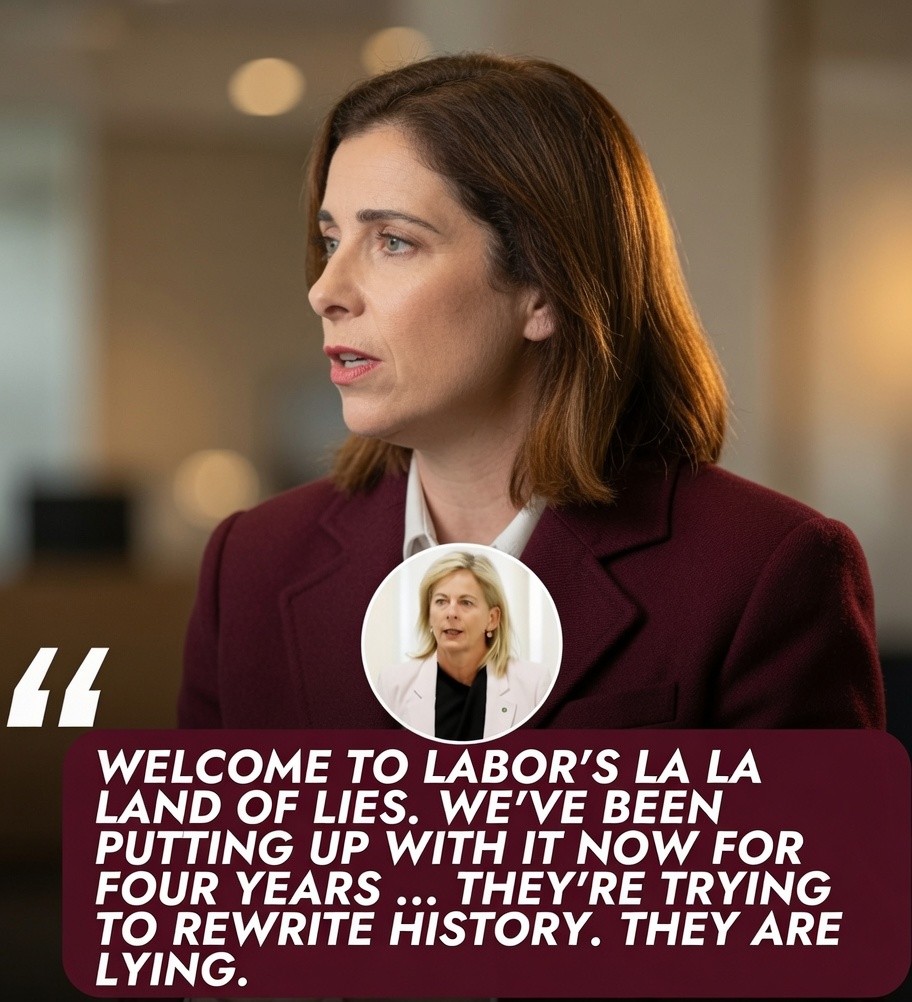
The latest criticism came from Shadow Minister for Sports, Arts and Youth Angie Bell, who challenged Wells’ public statements during an interview on 2GB Sydney Now, arguing that parliamentary records contradict the minister’s claims.
Bell alleged that Wells attended the 2022 FIFA World Cup in Qatar while Parliament was sitting, despite maintaining she had not missed parliamentary business to attend sporting events.
“It’s on the public record,” Bell said, arguing that official parliamentary records show Wells travelled during a sitting period after the trip had been approved by Prime Minister Anthony Albanese.
The Coalition MP used the dispute to question the government’s broader commitment to accountability, saying the controversy reflected what she described as a pattern of poor transparency.
“The fish does rot from the head down and the Prime Minister … pre-approved this trip,” Bell told radio host Lucy Zelić during the interview.
The renewed criticism follows weeks of scrutiny surrounding Wells’ ministerial travel, sporting event attendance and expense declarations, issues that have become a significant political flashpoint for the Albanese Government.
Opposition MPs argue the questions are not simply about attending sporting events but about whether ministers have accurately described their activities to Parliament and the Australian public.
For the Coalition, the central issue is ministerial accountability.
Bell said Australians expect ministers to provide complete and accurate explanations regarding overseas travel, particularly when Parliament is sitting and ministers are responsible for representing their departments in Canberra.
The government, however, has previously defended Wells’ travel arrangements, maintaining that ministerial travel related to major international sporting events forms part of her official portfolio responsibilities.
Wells has also rejected suggestions that she deliberately avoided parliamentary duties to attend international sport, insisting previous claims about her attendance have been misrepresented.
The disagreement centres on differing interpretations of parliamentary schedules, ministerial responsibilities and the timing of overseas travel rather than any allegation of unlawful conduct.
Political observers note that ministers regularly travel overseas as part of their official duties, particularly when their portfolios involve international engagement.
Sports ministers frequently attend events organised by international sporting bodies, meet with overseas counterparts and promote Australia’s interests in global sport.
However, those trips can become politically contentious when they overlap with parliamentary sittings or when questions arise about whether taxpayers have received value from ministerial travel.
The issue has become increasingly prominent as Australians continue to face cost-of-living pressures and political attention remains focused on government spending.
The Opposition has sought to frame the latest controversy as part of a broader pattern of accountability concerns involving the Albanese Government.
Bell argued that transparency from ministers is essential for maintaining public confidence, particularly when official travel involves high-profile international sporting events.
Her criticism also reflects the Coalition’s wider strategy of increasing scrutiny of ministerial conduct as Parliament prepares for another busy legislative period.
Government ministers have consistently rejected claims that they have breached ministerial standards, arguing Opposition criticism is politically motivated and overlooks the legitimate responsibilities attached to ministerial portfolios.
The Albanese Government has previously stated that ministerial travel undergoes established approval processes and is assessed against official government guidelines.
Those guidelines require ministers to ensure overseas travel serves a legitimate government purpose and complies with ministerial accountability requirements.
Questions surrounding ministerial travel are not unique to the current government.
Successive governments from both major parties have faced parliamentary scrutiny over overseas delegations, attendance at international conferences and associated travel expenses.
Such debates often intensify during periods of economic pressure, when voters expect governments to demonstrate careful stewardship of public money.
In this case, the political disagreement has focused less on whether a sports minister should attend major international sporting events and more on whether public statements accurately reflected the circumstances surrounding those trips.
Bell maintains that parliamentary records clearly establish the timing of Wells’ attendance at the FIFA World Cup and believes those records should settle the factual dispute.
Labor ministers, meanwhile, have continued to defend Wells’ performance and reject accusations that she intentionally misled the public.
The controversy illustrates how ministerial travel has become an increasingly sensitive political issue in Australia, where transparency and accountability remain central expectations of public office.
Whether the matter develops further may depend on any additional parliamentary examination, official clarification or future disclosures regarding ministerial schedules and travel documentation.
For now, the dispute has provided the Opposition with another opportunity to question Labor’s handling of ministerial accountability, while the government continues to argue that the criticism is driven more by politics than by evidence of wrongdoing.






