Australia’s First Nations Ambassador has become the focus of renewed political debate after newly released government documents showed more than A$800,000 has been spent on international travel by the ambassador and his office since the role was created in 2023.
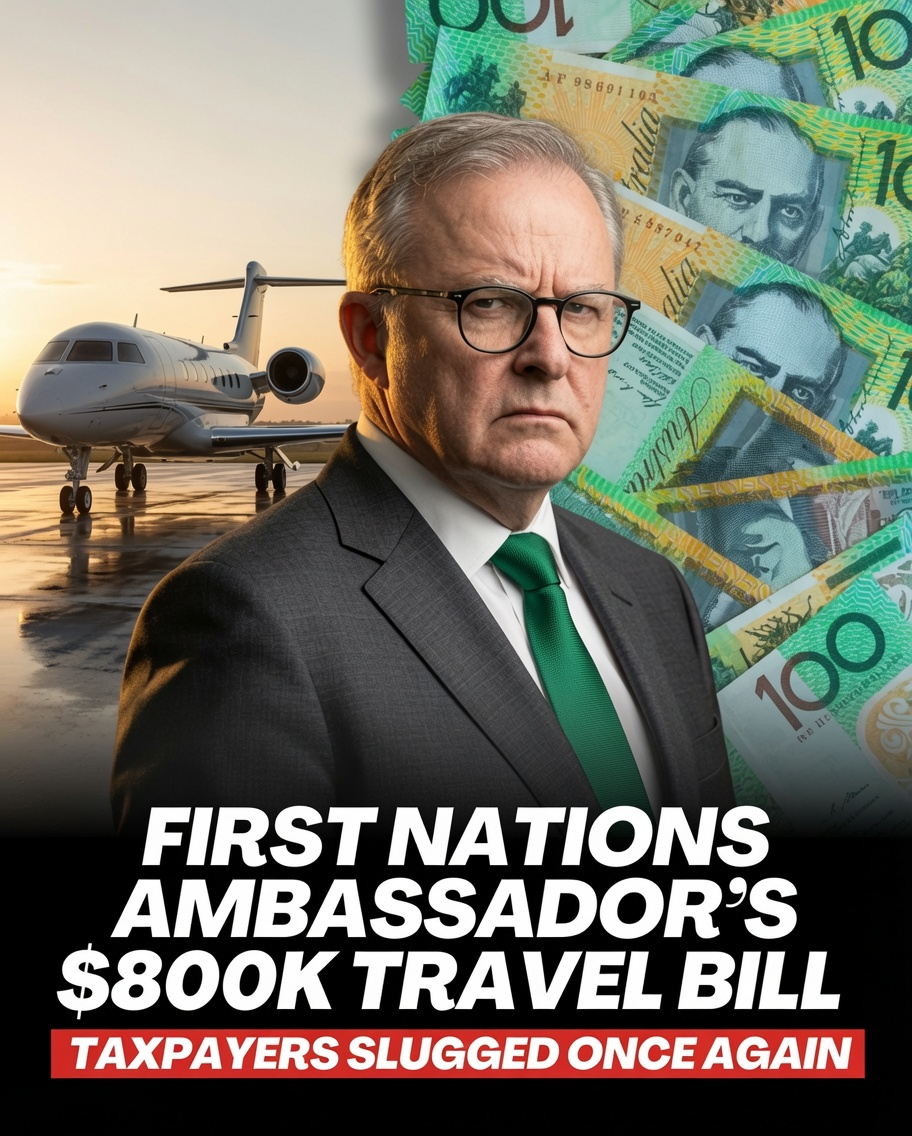
The figures emerged through documents released under Freedom of Information laws and have prompted questions from Coalition politicians about whether the taxpayer-funded travel represents value for money during an ongoing cost-of-living crisis.
According to the documents, Ambassador for First Nations People Justin Mohamed has undertaken 28 overseas trips since his appointment in March 2023. His own international travel expenses totalled A$343,834.18, while travel undertaken by staff within the Office for First Nations International Engagement amounted to A$456,415.72, bringing the combined international travel cost to more than A$800,000.
The latest figures include a five-day visit to Vanuatu and a six-day trip to the United Arab Emirates undertaken late last year and early this year, with those two visits reportedly costing taxpayers around A$70,000.
The overseas travel has attracted criticism because the ambassador’s role was established primarily to advance Australia’s First Nations diplomacy and international engagement.
Opposition figures have questioned whether such extensive international travel is producing measurable outcomes for Indigenous Australians, particularly those living in remote communities who continue to experience significant socioeconomic disadvantage.
Shadow Foreign Affairs representatives argued Australians facing rising household costs would expect clear evidence that the expenditure is delivering tangible national benefits.
Justin Mohamed was appointed by the Albanese Government in March 2023 as Australia’s inaugural Ambassador for First Nations People.
The position was announced by Foreign Affairs Minister Penny Wong and then Indigenous Australians Minister Linda Burney as part of a broader strategy to incorporate First Nations perspectives into Australia’s foreign policy.
According to the government, the ambassador works to strengthen Australia’s relationships with regional partners, particularly Pacific nations, while supporting First Nations businesses seeking international trade and investment opportunities.
The role was also designed to promote Indigenous knowledge, culture and economic engagement internationally as Australia expands its diplomatic presence across the Indo-Pacific.
Government officials have strongly defended both the position and the associated travel.
A Department of Foreign Affairs and Trade spokesperson said First Nations peoples possess longstanding historical and cultural connections throughout the Pacific region that provide Australia with a unique diplomatic advantage.
The department said Mohamed’s work cannot simply be replicated through traditional diplomatic channels because it involves relationships and engagement specific to Indigenous communities across the region.
DFAT also said the ambassador has focused on building trade and investment opportunities that support Australian jobs while strengthening relationships with neighbouring countries.
Mohamed’s office forms part of the Office for First Nations International Engagement within DFAT.
According to government information, the office has approximately ten staff and operates under a multi-year budget established when the position was created.
The ambassador’s remuneration has also attracted political attention.
Following an extension of his contract, Mohamed’s annual salary increased to approximately A$400,000, making the position one of the higher-paid diplomatic appointments within the Australian Public Service.
The debate extends beyond travel costs alone.
Critics argue the government has not publicly demonstrated sufficient measurable outcomes from the role to justify the level of expenditure.
Some have questioned whether resources devoted to international engagement would generate greater benefits if directed towards addressing housing, health, education and employment challenges facing Indigenous Australians in remote communities.
Supporters reject that comparison, arguing domestic Indigenous policy and international Indigenous diplomacy perform different functions and should not be viewed as competing priorities.
They contend Australia’s growing engagement with Pacific nations increasingly relies on relationships extending beyond traditional government-to-government diplomacy.
First Nations cultural links, they argue, strengthen Australia’s influence throughout the region while creating opportunities for Indigenous-owned businesses to participate in international markets.
The discussion also reflects broader questions about government travel spending.
Australian ministers, diplomats and senior officials regularly undertake overseas visits as part of their official responsibilities.
Travel expenses often include business-class airfares, accommodation, security arrangements and support staff, particularly where diplomatic meetings are conducted across multiple countries.
Successive governments have argued such travel is necessary to advance Australia’s strategic, economic and diplomatic interests.
Whether individual trips represent value for money, however, frequently becomes the subject of political scrutiny through parliamentary estimates hearings and Freedom of Information requests.
Mohamed’s travel itinerary has included visits to countries such as the United States, Japan, Switzerland, France, Fiji, South Korea and several Pacific Island nations.
The government says many of those visits involved meetings with regional leaders, participation in international forums and discussions designed to expand opportunities for First Nations businesses and strengthen Australia’s diplomatic relationships.
Opposition politicians have responded that more detailed public reporting of outcomes would improve accountability and allow taxpayers to better assess the value of the expenditure.
The issue has become increasingly prominent as governments across Australia face pressure to reduce expenditure while households continue dealing with higher living costs.
Public debate over overseas travel by elected representatives and senior officials has intensified in recent years, with expenditure increasingly examined alongside broader discussions about government efficiency and transparency.
At present, there is no suggestion that the travel breached government rules or procurement requirements.
The debate instead centres on whether the scale of the expenditure is proportionate to the objectives of the ambassadorial role and whether the public has received sufficient evidence of its achievements.
As Parliament prepares for further scrutiny of government spending, the travel costs associated with Australia’s First Nations Ambassador are likely to remain part of a broader political discussion about public accountability, diplomatic priorities and the role of Indigenous engagement in Australia’s foreign policy.






