Questions are being raised over a federal grant program that will fund selected Australian organisations to attend this year’s UN climate conference in Turkey, with critics arguing the spending comes at a difficult time for households already facing ongoing cost-of-living pressures.
The program provides up to approximately $650,000 in funding to support eligible organisations participating in the COP31 climate conference. According to information released about the scheme, priority consideration is available for Aboriginal and Torres Strait Islander organisations alongside other groups working on climate-related issues.
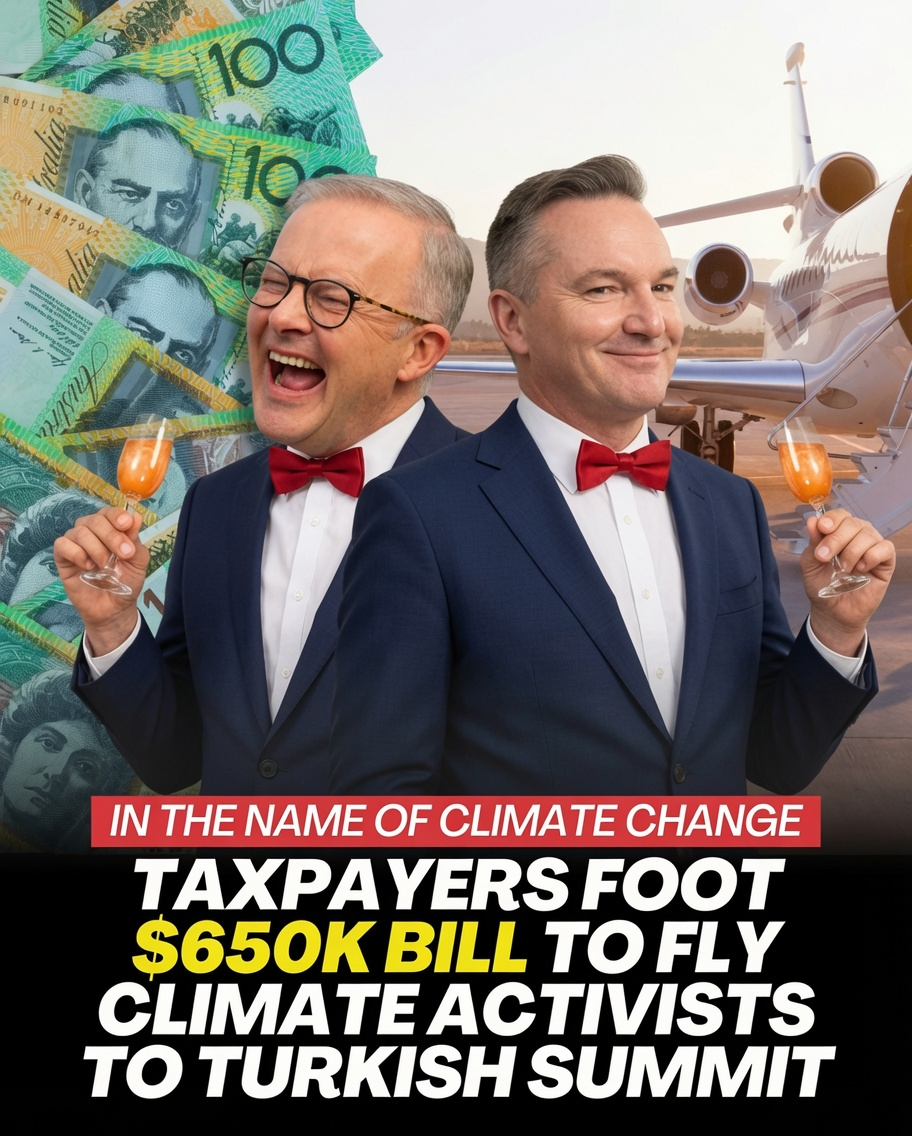
The announcement has attracted political criticism because of the estimated level of support available for successful applicants. Opponents argue the funding could equate to around $20,000 for some participating delegations, raising questions about government spending priorities while many Australians continue to deal with higher household expenses.
For many families, rising grocery prices, electricity bills, mortgage repayments and rental costs remain among the biggest financial concerns. Against that backdrop, government expenditure on overseas conferences is likely to attract scrutiny from taxpayers who expect public spending to focus on domestic priorities.
The grant program is designed to help representatives from Australian civil society take part in discussions surrounding international climate policy. Such conferences bring together governments, Indigenous representatives, researchers, environmental organisations, business groups and other stakeholders to discuss climate commitments and future policy development.
Supporters of these programs argue that Australia’s participation benefits from having a broad range of voices represented during international negotiations. They say Indigenous organisations, community groups and environmental advocates can contribute perspectives that may otherwise be underrepresented.
Critics, however, question whether taxpayer-funded travel represents good value when many Australians remain under financial pressure. They argue that international conferences should not take precedence over measures that directly reduce the cost of living or improve essential public services.
The debate reflects a broader political divide over climate policy spending. While successive Australian governments have invested in climate-related initiatives, disagreement often centres on how much should be spent, where funding should be directed and whether taxpayers receive sufficient value from those investments.
International climate conferences such as COP31 regularly involve thousands of delegates from around the world. Australian attendees can include government officials, scientific experts, industry representatives, community organisations and Indigenous groups depending on the programs established for each event.
The latest funding announcement has prompted renewed discussion over transparency and accountability in government grant programs. Some commentators are calling for greater detail about how recipients are selected, how funding amounts are determined and what measurable outcomes are expected from participation.
The issue has also become part of the wider political conversation surrounding government spending. With inflation and household budgets remaining key concerns for many voters, opposition figures continue to argue that every new expenditure should be carefully justified against competing domestic priorities.
At the same time, supporters of Australia’s international climate engagement maintain that participation in global forums remains important as countries negotiate emissions targets, adaptation strategies and future environmental cooperation.
The differing views highlight the balancing act facing governments: responding to immediate economic concerns at home while continuing to participate in international policy discussions that may influence Australia’s long-term environmental and economic interests.
As debate over the grant program continues, further attention is likely to focus on the final list of successful recipients, the total amount distributed and how the government explains the expected public benefit from the funding.






