Australia’s centre-right Liberal Party has spent much of the past decade reflecting on why periods of government did not translate into longer-lasting political success. While different prime ministers delivered significant policy initiatives during their time in office, many analysts argue the party struggled to maintain a united vision as new economic and strategic challenges emerged.
The discussion has become increasingly relevant as the Coalition seeks to rebuild following recent election defeats and position itself as an alternative government capable of addressing cost-of-living pressures, national security concerns and slower productivity growth.
Political observers often point out that leadership instability can make it difficult for any government to communicate a consistent long-term agenda. Australia experienced several changes in prime ministership over a relatively short period, creating ongoing debate about whether internal divisions distracted from broader national priorities.
Each leader inherited a different set of circumstances. Economic conditions shifted, global markets changed, international tensions increased and domestic expectations evolved. As these pressures accumulated, governments were forced to balance immediate political realities with longer-term reforms.
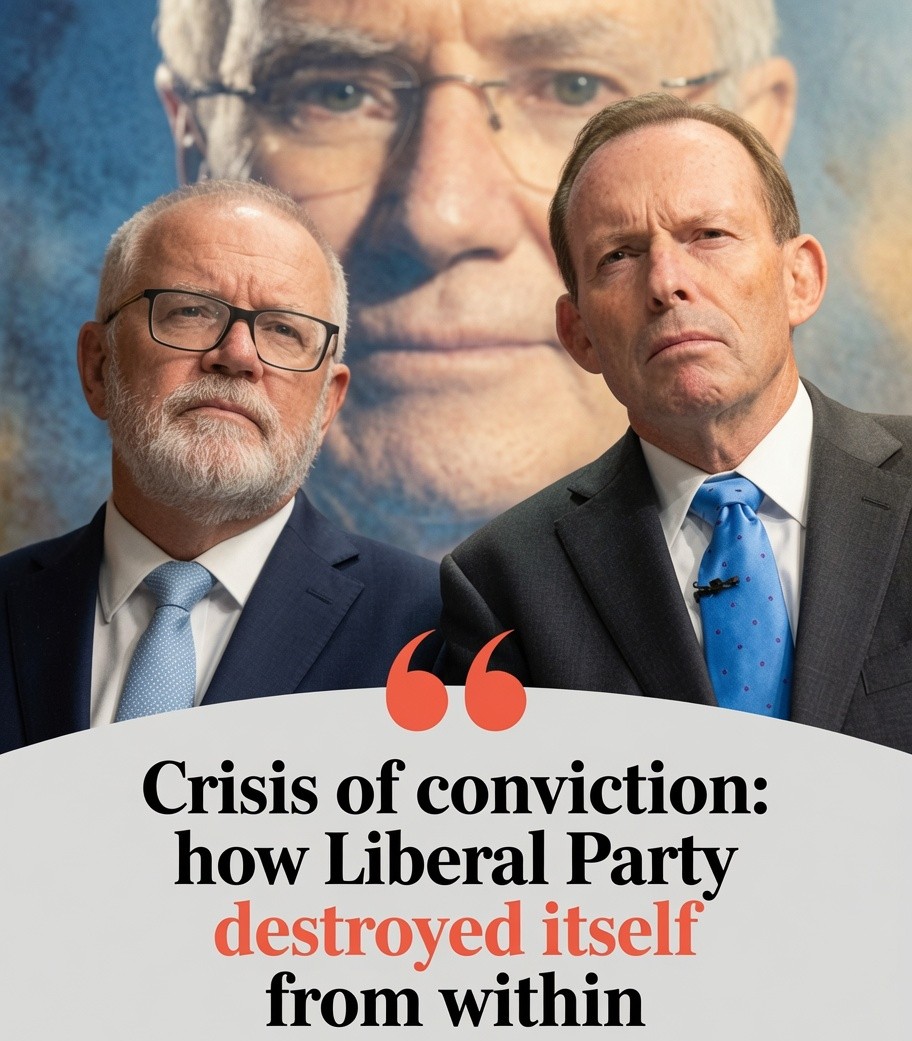
Some policy achievements during those years remain significant. Infrastructure investment, national security measures, tax reforms and responses to international developments formed important parts of successive governments’ agendas. Supporters argue these initiatives helped strengthen Australia’s economic resilience and international position during periods of uncertainty.
At the same time, critics contend that frequent leadership changes made it harder to convince voters that the Coalition had a stable long-term direction. Public attention regularly shifted from policy debates to internal political contests, reducing opportunities to build confidence around broader reform programs.
Leadership changes can also influence how governments communicate with the public. Every transition brings different priorities, different styles of decision-making and different approaches to cabinet management. Even when major policies remain largely unchanged, the perception of instability may affect public confidence.
For opposition parties, these historical experiences now provide valuable lessons. Building voter trust requires more than proposing new policies. It also involves demonstrating organisational stability, presenting consistent messages and showing that internal disagreements can be managed without overshadowing national priorities.
The Coalition now faces an environment very different from that of a decade ago. Cost-of-living pressures continue to dominate household budgets, housing affordability remains one of the country’s biggest political issues, energy policy continues to generate debate and Australia’s strategic environment has become increasingly complex.
These challenges require political parties to convince voters that they can make decisions extending well beyond a single election cycle. Many analysts argue Australians increasingly reward governments that communicate clear objectives while maintaining discipline within their own ranks.
Political history suggests that electoral success alone does not guarantee long-term influence. Governments are often judged not only by legislation they pass but also by their ability to maintain public confidence throughout changing economic and international conditions.
Another recurring theme in discussions about recent Australian politics is the relationship between policy success and political unity. A government may introduce reforms that supporters consider important, yet still face electoral difficulties if internal disputes dominate headlines for extended periods.
This balance between governing effectively and maintaining party cohesion has become one of the defining questions facing modern Australian politics. Both major political groupings continue searching for ways to demonstrate competence while responding to rapidly changing public expectations.
For the Liberal Party, rebuilding after electoral setbacks involves more than selecting new leaders. It requires presenting a vision that appeals to a broad range of voters while avoiding the internal tensions that have previously attracted significant public attention.
Political strategists frequently argue that consistency matters almost as much as policy detail. Voters often respond positively when parties articulate clear priorities over several years rather than repeatedly adjusting direction following leadership changes.
As Australia approaches future electoral contests, debates about economic management, national security, energy affordability, taxation and housing are expected to remain central issues. Opposition parties will likely continue refining their policy platforms while seeking to convince voters they have learned from previous periods of internal instability.
Ultimately, the broader discussion extends beyond any individual prime minister. It reflects ongoing questions about how Australia’s major political parties can balance leadership, policy development and organisational unity in an increasingly demanding political environment.
Whether future governments succeed will depend not only on the policies they introduce but also on their ability to maintain public confidence over time. For many observers, recent political history demonstrates that sustained unity and consistent communication remain important foundations for long-term electoral success.






