Australian farmers are warning that new caps on second- and third-year Working Holiday Maker visas could make seasonal labour shortages harder to manage, while the Albanese government is pointing employers towards the Pacific Australia Labour Mobility scheme as one part of the answer.
The dispute follows a major migration policy announcement by Home Affairs Minister Tony Burke on September 17. Under the changes, backpackers seeking a second or third year in Australia will still need to complete the existing regional-work requirements, but eligible applicants will enter a ballot rather than automatically progressing once they meet those conditions.
The second-year ballot will be capped at 45,000 places. Mr Burke said about 57,000 people qualified for a second year in the previous year. The third-year ballot will be far tighter, with 5,000 places available compared with about 31,000 people in that cohort last year.
The existing work thresholds remain: 88 days of specified regional work for eligibility for a second year and six months for a third. The government says those requirements will continue to support regional employers even as it seeks greater certainty over the number of temporary migrants remaining in Australia.
The changes sit within a broader plan to reduce net overseas migration while prioritising sectors the government says Australia needs, including agriculture, construction, health and education. Mr Burke has argued that every major temporary visa category contributes to migration numbers and that the government cannot reduce the overall figure while treating large programs as exempt.
Why farmers are worried
For agriculture, the concern is not only the annual number of workers but when they are available and how easily they can move between short jobs.
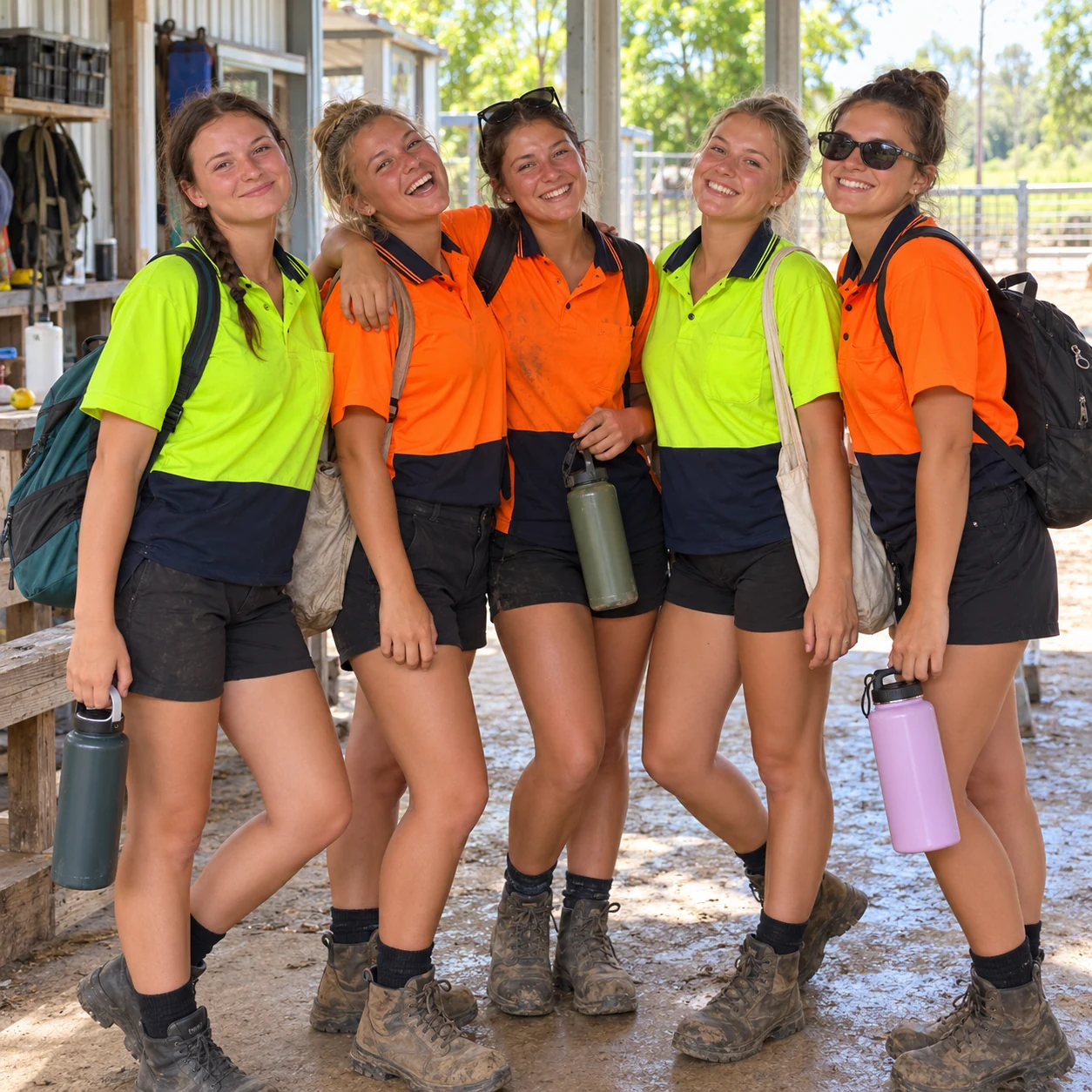
Backpackers have traditionally provided a mobile workforce that can follow harvests across regions. A worker might spend several weeks on one crop before moving hundreds of kilometres to another farm as a different harvest begins. That flexibility is valuable for smaller businesses that cannot offer continuous work for many months.
The National Farmers’ Federation and other industry groups have warned that limiting access to second- and third-year visas could reduce the pool of experienced seasonal workers just as major spring and summer harvests approach.
Reuters reported that farm groups fear the changes could affect the wheat harvest and other labour-intensive agricultural work. The NFF has argued that backpackers account for a significant share of farm jobs during peak periods and that even temporary labour shortages can leave crops unpicked or delay harvest work.
Horticulture is particularly exposed to timing because fruit and vegetables often have narrow picking windows. Labour cannot simply be shifted several weeks later without affecting quality, yield or the price growers receive.
The government rejects the suggestion that farmers are being left without alternatives. Employment and Workplace Relations Minister Amanda Rishworth has said the migration changes are intended to be sustainable and has highlighted the PALM scheme as an important program that could be used more extensively.
Mr Burke made a similar point in an ABC 7.30 interview after his National Press Club address, saying the government understands agricultural workforce concerns but believes PALM remains underutilised.
How PALM differs from backpacker labour
The Pacific Australia Labour Mobility scheme allows approved Australian businesses to recruit workers from nine Pacific island countries and Timor-Leste when there are not enough local workers available.
PALM workers can fill short-term and longer-term roles, and the scheme is heavily used in agriculture and meat processing. Employers must be approved and comply with detailed requirements covering recruitment, accommodation, worker welfare, pay and other employment conditions.
Those protections are one reason the government argues the scheme should play a central role in regional labour supply. Mr Burke has also linked migration reform to a broader goal of improving integrity and reducing incentives for employers to choose visa arrangements primarily because they are cheaper or less regulated.
But farmers and labour-market researchers say PALM and backpackers are not perfectly interchangeable.
A PALM placement is more structured. Employers need approval, must meet scheme obligations and generally need enough work to support the worker arrangements they enter into. Backpackers, by contrast, can move more freely between farms, tourism businesses and other employers.
That difference can matter for small growers. A family farm that needs 10 workers for three weeks may find it easier to hire backpackers already travelling through the region than to become an approved PALM employer or commit to longer placements.
Griffith University researcher Kaya Barry has noted that mobile working holidaymakers often fill gaps created by the highly seasonal nature of regional work. The question is therefore not whether PALM is valuable — there is broad agreement that it is — but how much of the short, mobile labour demand can realistically shift to the scheme.
The government has also announced changes to processing priorities. Agriculture, fisheries and other selected sectors are being added to higher-priority processing settings, while primary Working Holiday Maker applications connected to regional work are expected to return to more regular processing speeds.
At the same time, the new ballots are designed to put a firm ceiling on the number of people remaining for second and third years. That is the trade-off at the centre of the policy: faster and more targeted processing in some areas, but less certainty for individual backpackers seeking an extension.
The changes also intersect with Australia’s free trade arrangements. British working holidaymakers are treated differently in some respects because of commitments made under the Australia-United Kingdom Free Trade Agreement. Mr Burke said the number of UK backpackers in Australia had grown sharply and that the government remained in discussions with the UK about the issue.
Farmers are now trying to work out what the ballot system will mean in practice. The headline caps do not automatically translate into the same reduction in workers on every farm because not all Working Holiday Makers work in agriculture and labour demand varies by region and crop.
However, the third-year reduction from a cohort of about 31,000 to 5,000 available ballot places is substantial. Those third-year workers are often people who already understand Australian farm work, regional travel and employer expectations, which can make them attractive to businesses during peak periods.
The government’s argument is that migration policy has to balance workforce needs with housing pressure, infrastructure capacity and the overall size of the temporary migration population. It says it is not ending the Working Holiday Maker program and that backpackers will continue to have incentives to complete regional work.
Industry groups counter that the design of the labour system matters as much as the total migration number. A worker who is available in Sydney does not solve a short-term labour shortage in a remote harvest district, and a program suited to year-round employment may not solve a three-week picking peak.
The practical test will come over the 2026–27 harvest cycle. Employers will be watching whether more PALM workers can be mobilised, whether primary Working Holiday Maker processing improves and whether the new ballots reduce the number of experienced backpackers available in regional areas.
For consumers, the issue matters because labour shortages can affect how much produce reaches market and what it costs to harvest. For regional communities, working holidaymakers also contribute through accommodation, transport and local spending.
For the government, the policy will be judged on whether it can deliver a lower and more predictable migration intake without creating avoidable labour shortages in sectors that remain highly dependent on temporary workers.
Both sides agree on one point: Australian agriculture will continue to rely on overseas workers. The unresolved question is what mix of backpackers, PALM participants and other visa holders can provide the flexibility farms need while meeting the government’s wider migration objectives.