New South Wales has passed legislation changing how drug-driving laws apply to eligible medicinal cannabis patients, ending automatic prosecution based solely on the presence of THC in some circumstances while retaining roadside testing, an immediate 24-hour driving ban after a positive roadside result and penalties for repeated detections.
The Road Transport Amendment (Medical Cannabis and Driving Offences) Bill 2026 passed the NSW Parliament on 17 September after months of debate over how to distinguish lawful prescription use from impaired driving. The Minns Labor government describes the reform as a more practical system for patients who use cannabis medicines under medical supervision.
The change does not create a general exemption for cannabis users and does not make it lawful to drive while impaired. It establishes a specific framework for eligible patients who register with Transport for NSW, provide evidence of a valid prescription and complete an online education program about cannabis and road safety.
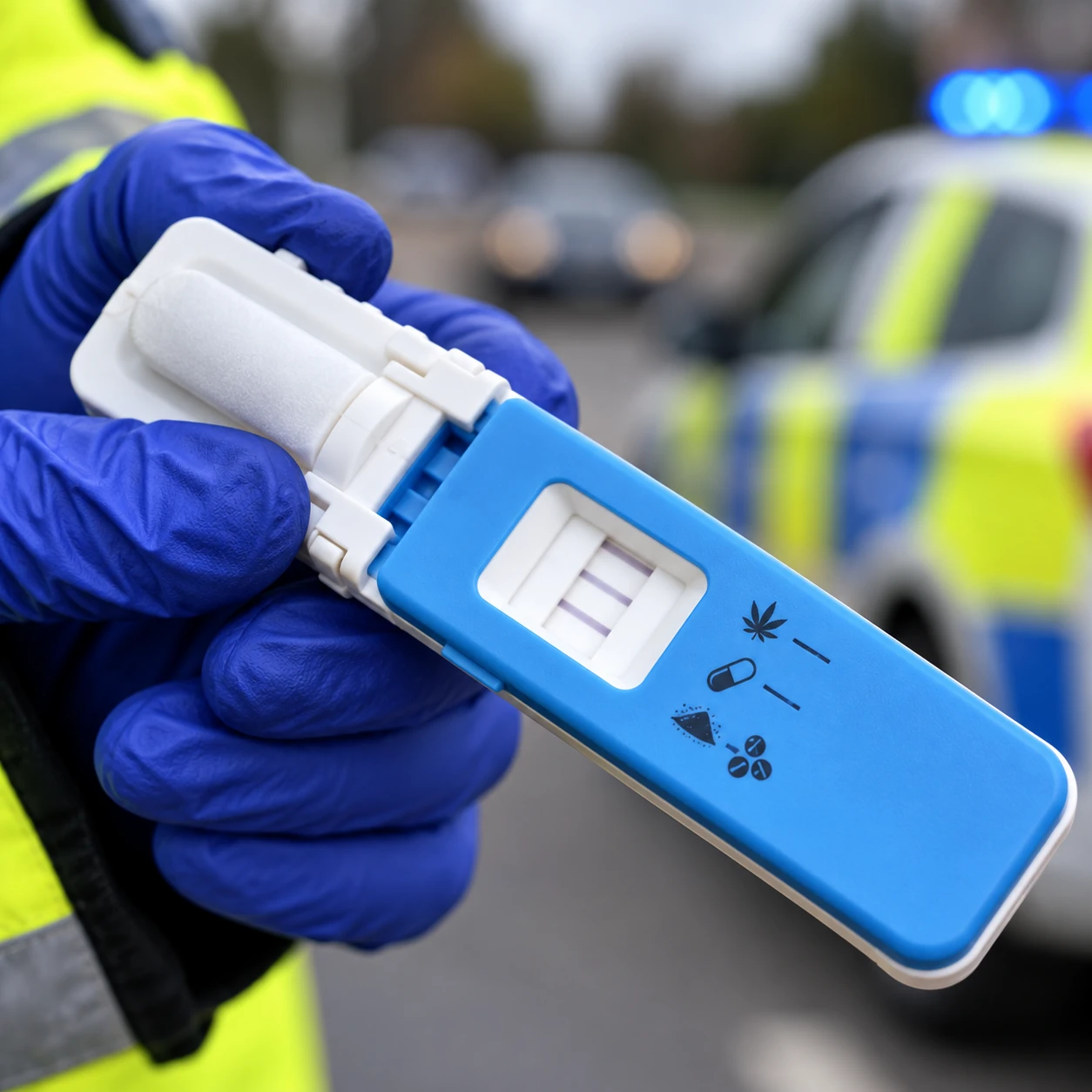
Police roadside testing will continue. Registered medicinal cannabis patients who return a positive roadside test will still be subject to the same immediate 24-hour prohibition on driving while a saliva sample is sent for laboratory analysis.
The new distinction comes after the laboratory stage. If the confirmed THC concentration is below the maximum threshold of 50 nanograms per millilitre for the registered-patient scheme, no further action will be taken under that pathway. If the concentration is at or above the threshold, the first and second detections within two years will result in warnings rather than the ordinary immediate prosecution process.
A third qualifying detection within two years can trigger penalties, including a fine and a minimum three-month licence suspension. The government says the warning structure is intended to recognise that THC can remain detectable after medicinal use even when a person is no longer impaired.
That distinction between presence and impairment has been at the centre of the policy debate for years. Traditional roadside drug laws in NSW have focused on whether certain drugs are present, rather than requiring police to prove that the driver was impaired to a particular degree.
Supporters of reform argue that this can create a unique problem for prescribed cannabis because THC may remain detectable after the therapeutic effect has worn off. They say patients who use a lawful medicine can face licence consequences even when they believe they are safe to drive.
Road-safety advocates and opposition MPs have raised a different concern: there is no simple relationship between a measured THC concentration and impairment that works in the same way as blood-alcohol limits. Cannabis can affect reaction time, attention and judgement, and the effects vary between individuals, doses and methods of use.
The government’s response is to retain roadside testing and a conservative set of safeguards rather than create a complete defence based only on holding a prescription. Registered patients must satisfy the scheme’s requirements and remain subject to laws dealing with impaired or dangerous driving.
The 50 ng/ml figure has attracted particular attention because roadside devices are designed to detect the presence of THC and can return a positive result at lower levels. The roadside result itself is not a precise laboratory measurement. A second roadside positive leads to the 24-hour driving prohibition and collection of a sample for laboratory confirmation.
That means a registered patient may still be stopped from driving for a day even if the laboratory result later falls below the threshold that would trigger a warning or penalty. The government argues that the temporary ban is an important safety precaution while the result is being confirmed.
Parliamentary scrutiny of the bill also exposed drafting complexity. A late issue was identified around how the warning system would operate, requiring amendments before the legislation completed its passage through both houses. Critics used the incident to argue the reform had been rushed, while the government said the amendments clarified the intended operation of the law.
The Coalition and some road-safety voices have questioned whether repeated warnings send the wrong message. Their concern is that a driver can receive more than one high laboratory reading before facing the stronger licence consequences that would ordinarily follow drug-driving enforcement.
The government counters that the scheme applies only to registered patients with legitimate prescriptions and that it is designed around the reality that a chemical trace does not necessarily establish unsafe driving. It also stresses that police retain powers to act where a driver is actually impaired or driving dangerously.
The number of Australians using medicinal cannabis has grown rapidly since access expanded. NSW government estimates indicate hundreds of thousands of people in the state now hold prescriptions for conditions including severe pain, nausea, cancer-related symptoms and post-traumatic stress disorder.
That growth has made driving rules a practical issue rather than a niche legal question. Many patients need to drive to work, medical appointments or family responsibilities and argue that an automatic loss of licence for residual THC can make treatment incompatible with ordinary life.
Doctors and pharmacists still have an important role because a lawful prescription does not mean a patient is always fit to drive. Product strength, dosage, timing, interactions with other medicines and a patient’s response can all affect safety.
The reform therefore creates a legal pathway but does not substitute for medical advice. Patients are expected to understand that they remain responsible for assessing whether they are capable of driving safely and for following warnings provided with their medication.
For police, implementation will involve identifying whether a driver is registered under the scheme and processing the roadside and laboratory stages correctly. The system will also depend on Transport for NSW maintaining registration information and on clear communication to patients about how warnings accumulate.
There are likely to be practical questions once the scheme begins operating. Drivers may want to know how quickly registration is confirmed, how warnings are recorded, how laboratory results are communicated and what review mechanisms exist if information is incorrect.
Road-safety outcomes will also be closely watched. The government will need data on crashes, detections, warning patterns and enforcement to determine whether the framework is successfully separating residual presence from genuine risk.
The NSW approach adds to a wider national debate. Drug-driving laws differ between Australian jurisdictions, and medicinal cannabis users have long argued for more consistent treatment across state borders. A patient who can drive under one jurisdiction’s rules may face different consequences elsewhere.
Any movement towards national consistency would have to confront the same scientific difficulty: THC concentration does not map neatly onto impairment in the way blood alcohol is commonly used for alcohol enforcement. That makes policy design dependent on a combination of testing, clinical evidence, behavioural observations and precaution.
The strongest description of the NSW reform is therefore not that the state has “legalised drug-driving”. Driving while impaired remains unlawful and police testing remains in place. What has changed is the consequence of detecting THC in a registered medicinal cannabis patient when the person meets the scheme’s requirements.
For patients, that is a substantial shift from a system in which a positive presence test could lead quickly to licence consequences regardless of prescription status. For critics, it creates a test of whether the safeguards are strong enough to protect other road users.
The legislation has now passed parliament, but the policy story will continue through implementation. Its success will depend not only on the wording of the law but on registration, education, laboratory testing, police procedures and whether the data ultimately show that patient fairness has improved without compromising road safety.