Queensland Rail will restore 417 weekly services across the south-east network from Monday 12 October after reaching final in-principle enterprise agreements with unions, bringing the timetable back to 91 per cent of normal operations.
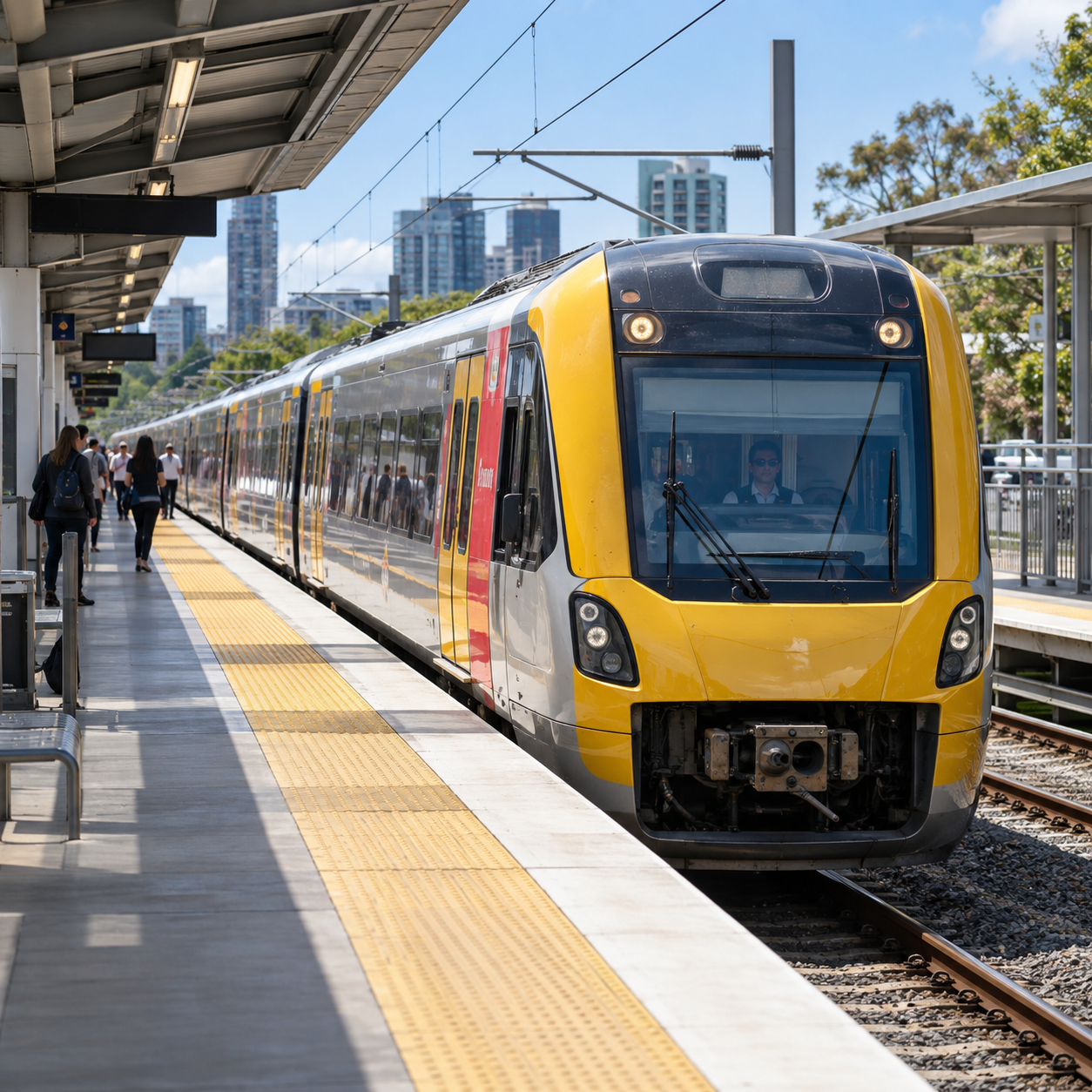
The extra services will lift the network to 7,725 trains a week. Queensland Rail says the staged return is possible because protected industrial action has been lifted and more rolling stock can be brought back into service as maintenance work catches up.
The announcement does not mean the full timetable returns in October. Queensland Rail says it expects the complete South East Queensland timetable to be restored by the end of November, subject to the remaining maintenance backlog being cleared.
That qualification matters for commuters who have dealt with reduced services and crowding for months. The October uplift is a substantial step, but around 9 per cent of the full timetable will still be missing immediately after the 417 services return.
Queensland Rail says Beenleigh and Shorncliffe line services will increase to 15-minute frequencies in peak periods, improving from 30-minute peak services and bringing them closer to frequencies on other major lines.
The long-running disruption was tied to an enterprise bargaining dispute involving Queensland Rail and multiple unions. Protected industrial action reduced the availability of trains and added pressure to maintenance operations, contributing to timetable cuts across the network.
The final in-principle agreements now mean the industrial action has been lifted. Impacted employees will still need to vote on the agreements before the bargaining process is fully completed, but the operational effect is already significant because the stoppages and work bans that limited train availability can end.
Current reporting says the proposed wage package includes an 8.5 per cent increase over three years, with a further cost-of-living uplift possible depending on inflation. Queensland Rail had previously reached agreements covering other groups in its workforce, leaving the latest deal to resolve the remaining bargaining areas.
The state government says the settlement is consistent with its wages policy. Union representatives say workers secured meaningful improvements after months of bargaining and argue that the government and Queensland Rail should now restore services as quickly as possible.
For commuters, the immediate issue is less about the industrial argument and more about whether trains arrive often enough to reduce waiting times and crowding. An extra 417 weekly services works out to roughly 83 additional trains on an average weekday, although the precise distribution will vary by line and day.
Queensland Rail says customers should notice better frequency and comfort once the 91 per cent timetable is operating. The biggest benefit is expected on corridors where service gaps have been especially visible during the reduced schedule.
The staged return also reflects a practical constraint: trains cannot simply be placed back into service the moment industrial action ends. Rolling stock that has missed or delayed maintenance must be inspected and cleared, crews must be rostered and timetable changes need to be coordinated across a busy network.
That is why Queensland Rail has given an end-of-November target rather than promising an immediate full restoration. Maintenance teams will need to work through the backlog while keeping enough trains available for the services that are already running.
The dispute has affected a network that is central to daily travel in Brisbane and surrounding regions. South-east Queensland’s population growth has increased demand for rail at the same time major projects and timetable changes have added complexity to operations.
When frequencies are cut, the effect is not limited to longer waits. Crowding can increase on the trains that remain, missed connections become more common and passengers may shift to roads, adding pressure to already congested corridors.
The Beenleigh and Shorncliffe changes are therefore likely to be closely watched. Moving those lines from 30-minute to 15-minute peak frequencies can materially change how usable the service feels, particularly for passengers who do not have flexible work or school times.
There is also a reliability question. A timetable can look stronger on paper but still frustrate passengers if cancellations remain frequent. The November target will be judged not only by how many services are scheduled but by whether Queensland Rail can operate them consistently.
Enterprise agreements usually cover more than wages. They can include rostering, allowances, classifications, conditions and workplace rules. Those details can affect how efficiently a transport operator can deploy staff, which is one reason bargaining disputes can have direct consequences for passengers.
The proposed 8.5 per cent wage increase over three years will attract attention because Queensland Rail is publicly owned and wage costs ultimately feed into government finances. The government has not publicly detailed the full cost of the agreement, saying it is in line with its wages framework.
Union leaders, meanwhile, have argued the settlement reflects the value and conditions of the workforce that operates and maintains the rail system. Their position is that improved conditions were necessary and that the service disruption should now end because an agreement has been reached.
Those competing claims will continue through the employee voting process, but the operational position is clearer than it was during the dispute. Protected industrial action has been lifted, the maintenance backlog can be attacked more directly and a staged timetable restoration has been announced.
Passengers should still check current journey information rather than assuming every pre-dispute service returns on 12 October. The 417 additional services represent a significant uplift, but Queensland Rail itself says the network will remain short of the full timetable until the later November phase.
The timing also means the October change will arrive before the end-of-year travel period, giving the operator several weeks to test the expanded schedule before the full restoration target.
If the maintenance recovery proceeds as planned, the November milestone would mark the end of a prolonged period of reduced operations. If the backlog takes longer, Queensland Rail may need to adjust the pace of restoration.
The current commitment is specific: 417 more weekly services from 12 October, 7,725 services a week in total, 91 per cent of the full timetable and a target of full restoration by the end of November.
For commuters, that means improvement is now scheduled rather than merely promised, but the system will still be in transition for several more weeks after the October changes begin.