A 38-year-old Florida woman has been arrested after her estranged husband gave investigators surveillance footage that allegedly showed her engaging in sexual activity with the family dog, according to the Charlotte County Sheriff’s Office.
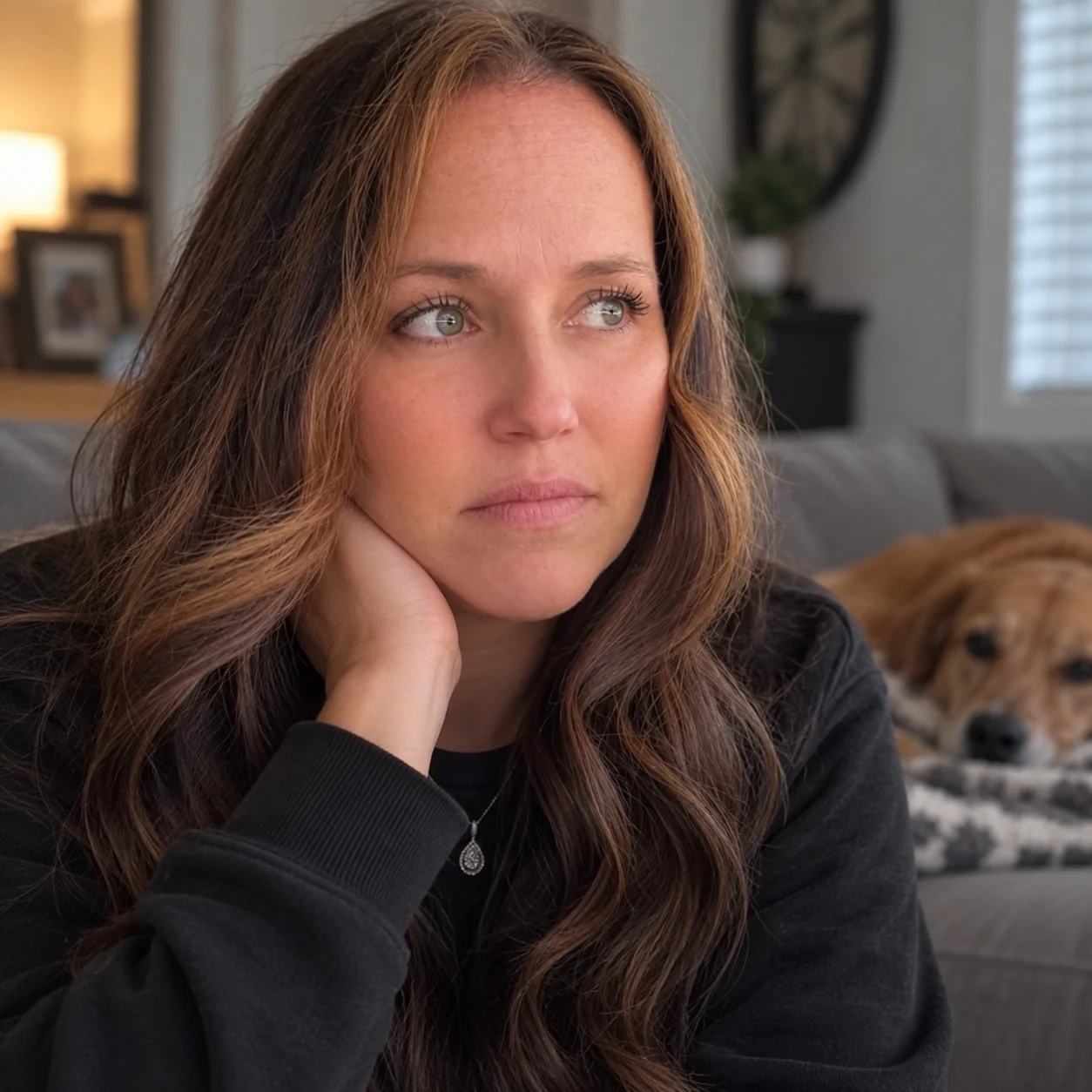
Malia Elizabeth Nummerdor, of Punta Gorda, was arrested on 15 September and charged with engaging in sexual activity involving an animal. The sheriff’s office said the investigation began after detectives became aware of social media posts alleging that a woman had been recorded in a sexual act with a pet dog.
Investigators then contacted the person who had made the allegations and obtained sworn statements and digital evidence. Authorities said the material came from a home surveillance system installed inside the residence.
The case has attracted widespread attention because of how the footage was discovered. According to reporting on the arrest, Nummerdor’s estranged husband, Erik Nummerdor, had installed cameras in the home because money had reportedly been disappearing from a coin container. While reviewing recordings, he allegedly found footage that appeared to show conduct involving the family dog, Ranger.
He later provided screenshots and access to a laptop containing the recordings to law enforcement, according to media reports citing the investigation. The Charlotte County Sheriff’s Office said Nummerdor was interviewed and confirmed that she was the person visible in the image and that the dog was the family pet.
The sheriff’s office has publicly described the case in direct terms, but the legal position remains that Nummerdor has been charged and the allegations will have to be tested through the criminal justice process. An arrest is not a conviction, and the evidence will ultimately be assessed in court if the matter proceeds to trial.
Reporting by People said Nummerdor denied engaging in a sexual act and gave investigators differing explanations for what appeared in the recordings. She allegedly acknowledged being the woman in the footage and that the animal was her dog, while disputing the interpretation of what she was doing.
Authorities have not released the explicit footage publicly, and responsible reporting does not require reproducing or describing graphic material in detail. The important facts are the existence of the surveillance evidence, the statements obtained by investigators and the criminal charge that followed.
The Charlotte County Sheriff’s Office said the case involved an alleged sexual act with an animal, an offence treated seriously under Florida law. Media reports described the charge as a second-degree felony. The exact penalties that could apply will depend on the charge proved, the relevant statute and the outcome of court proceedings.
Sheriff Bill Prummell condemned the alleged conduct after the arrest. His comments reflected the agency’s position as the investigating authority, but they do not replace the court process. Prosecutors will need to establish the elements of the offence beyond a reasonable doubt if the case is contested.
The unusual circumstances of the discovery have also focused attention on the use of surveillance cameras inside homes. Domestic camera systems are increasingly common, often installed for security, monitoring entrances, watching pets or protecting property. Their use can create significant privacy issues, particularly where cameras record private areas or where people in the home dispute whether they knew they were being recorded.
Nummerdor reportedly told investigators she had concerns about the cameras and alleged her estranged husband had previously used recordings against her. Those claims form part of the broader dispute described in media reports and should be treated separately from the criminal allegation itself unless tested by evidence in court.
Digital evidence can be powerful because it appears objective, but investigators still have to establish authenticity, timing, context and continuity. They must be satisfied a recording has not been altered, that it depicts the person alleged and that the conduct shown meets the legal definition of the offence. The sheriff’s office said detectives obtained the original digital material as part of their inquiry rather than relying only on social media posts.
The involvement of social media adds another layer to the case. Once allegations and screenshots begin circulating online, public reaction can move much faster than the justice system. That makes it important to distinguish what police say they have established from what commenters speculate about. Graphic or sensational allegations can also expose family members and children to unwanted attention even when they are not accused of any wrongdoing.
There is also an animal-welfare dimension. Laws criminalising sexual activity with animals are intended not only to regulate sexual conduct but to protect animals from abuse and exploitation. Animals cannot consent, and alleged conduct involving sexual contact is treated as a form of serious mistreatment in many jurisdictions.
At the same time, the dog itself should not become a prop for sensational coverage. Authorities have not indicated that the public needs to see graphic evidence to understand the allegation. The responsible focus is on the investigation, the criminal charge and the welfare implications.
The case is a reminder that domestic surveillance can reveal conduct far removed from the original reason a camera was installed. According to the husband’s account reported by media outlets, the purpose of the cameras was to identify who was taking money. Instead, the recordings became evidence in a completely different police investigation.
That does not mean every home recording automatically becomes admissible evidence. Rules governing surveillance, privacy and evidence vary by jurisdiction, and courts can examine how material was obtained. In this case, the sheriff’s office said detectives obtained digital evidence and interviewed Nummerdor before making the arrest.
Nummerdor was taken into custody after the interview. People reported that she was being held on a US$35,000 bond, although custody conditions can change as a case moves through court.
The next important steps will be procedural rather than sensational: formal court appearances, disclosure of evidence, any plea entered by the accused and decisions about whether the case proceeds to trial. Those stages will determine which allegations are accepted, disputed or proved.
Until then, the case should be described with the caution required for any pending criminal matter. The sheriff’s office alleges the recordings show illegal sexual conduct involving the family dog. Nummerdor has been charged and has disputed the characterisation of the footage. A court, not social media, will determine the final legal outcome.
The case also shows why police agencies increasingly treat digital material as an ordinary part of evidence collection rather than something exceptional. Doorbell cameras, vehicle cameras, home security systems and cloud backups can all become relevant to an investigation. Detectives still have to connect that material to a person and an alleged act, but the existence of a time-stamped recording can shape the direction of an inquiry very quickly.
There may also be consequences beyond the criminal charge. Animal-control authorities can become involved where there are concerns about the welfare or future placement of a pet, and family-court or domestic disputes can be affected by evidence gathered in a separate criminal investigation. Those issues have not been fully detailed publicly in Nummerdor’s case and should not be assumed, but they illustrate why an allegation arising inside a family home can spread into several legal areas at once.
For now, the central point remains narrow. Investigators say they obtained surveillance footage and other evidence, interviewed Nummerdor and then arrested her. She is accused of a serious offence involving the family dog, but the charge has not yet been proved in court. Further reporting should follow the court record rather than amplify graphic descriptions or unsupported claims circulating online.