Australia’s COVID-19 vaccination program will change significantly from 1 October, when vaccines move from the stand-alone National COVID-19 Vaccine Program into the National Immunisation Program and free access narrows to groups considered at highest risk of severe disease.
The change ends the broad pandemic-era funding model under which COVID-19 vaccines were available free to everyone in Australia. The federal Department of Health, Disability and Ageing says the shift reflects COVID-19 becoming part of routine long-term immunisation planning rather than an emergency response requiring universal government-funded access.
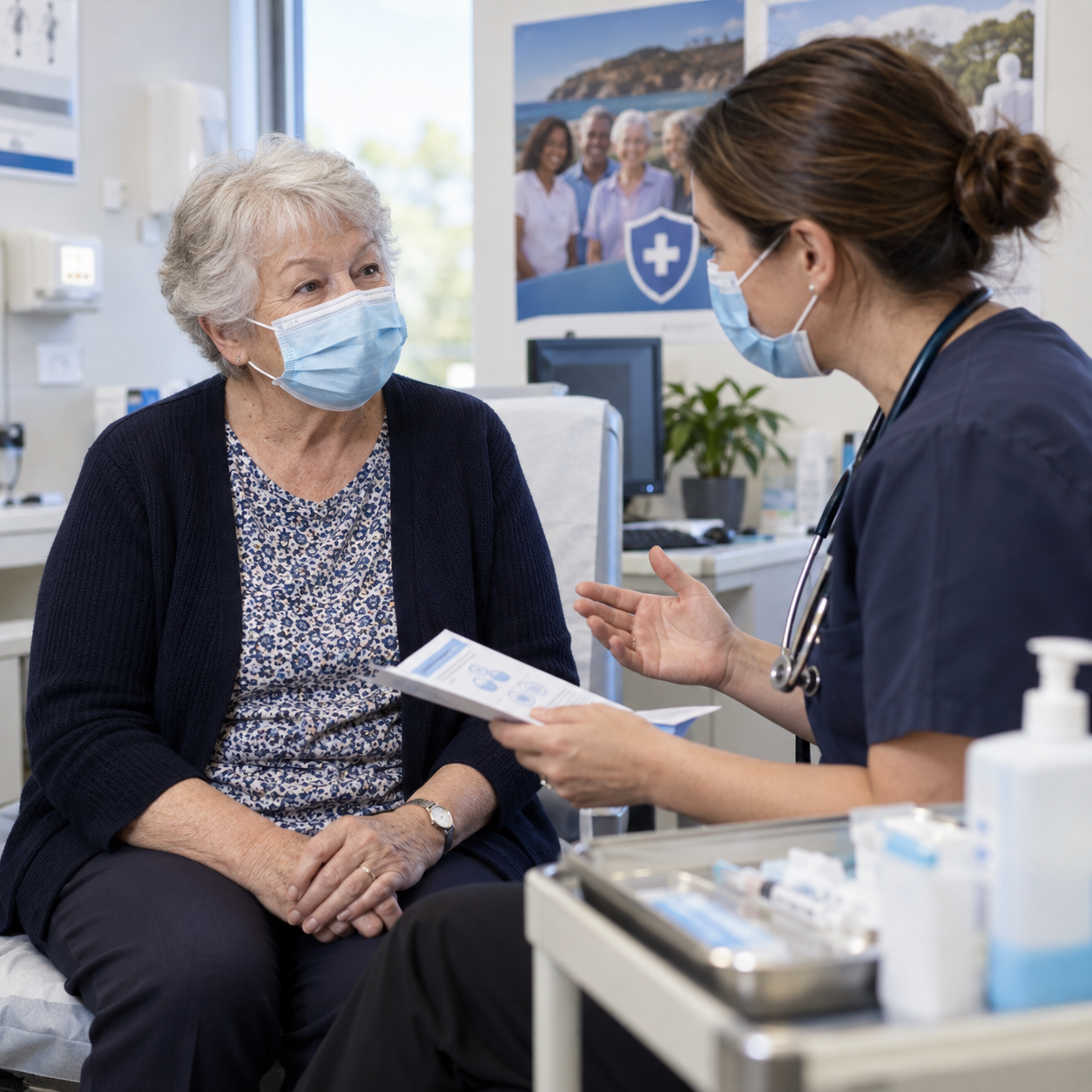
From 1 October, all adults aged 75 and over will remain eligible for free COVID-19 vaccination under the National Immunisation Program, with two funded doses per year approximately six months apart.
Adults aged 65 to 74 will be eligible for one free dose per year. Aboriginal and Torres Strait Islander people aged 50 to 74 will also be eligible for one funded dose annually, while adults aged 18 to 64 with severe immunocompromise will remain eligible for one free dose each year.
People outside those groups will no longer have a routine entitlement to a free COVID-19 vaccine under the new program. The department says they may still choose to purchase a vaccine privately after discussing their individual circumstances with a healthcare provider.
The distinction between funded eligibility and clinical advice is important. A person who is not eligible for a free dose may still be able to receive a vaccine privately, while recommendations about whether and when to have a dose can depend on age, health conditions, previous vaccination and individual risk.
The Department of Health says clinical guidance is being finalised ahead of the transition and that the COVID-19 chapter of the Australian Immunisation Handbook will be updated when the new arrangements begin.
Until 1 October, providers are expected to continue administering COVID-19 vaccines under the current arrangements and existing clinical guidance. That means people considering a booster before the funding change can still speak with their GP, pharmacist or vaccination clinic about whether a dose is appropriate.
One uncertainty is what privately purchased COVID-19 vaccines will cost. Pharmacist Julianna Neill, the Pharmaceutical Society of Australia’s vaccination ambassador, told the ABC that discussions with manufacturers were still continuing and the wholesale price might not be known until late September.
Australians commonly pay about $25 to $35 for a privately purchased influenza vaccine, but Neill said she expected a private COVID-19 dose to cost more. No final national retail price had been confirmed at the time of reporting, so consumers should not assume a specific amount until pharmacies and clinics publish their fees.
The funding change is part of a broader shift in how Australia manages COVID-19. During the pandemic, the federal government used emergency arrangements to make vaccines widely available at no cost because the population initially had little immunity and reducing severe illness across the community was an urgent public-health priority.
The government now describes COVID-19 as endemic in Australia and says the vaccination program is being focused more tightly on people most likely to experience severe disease. The move into the National Immunisation Program also puts COVID-19 vaccination alongside other routine funded vaccines rather than maintaining a separate emergency structure.
Under the new model, states and territories will take on routine program functions such as ordering, distribution, reporting and provider support. For patients, the practical experience may still involve familiar providers such as GPs and participating pharmacies, but the funding rules behind those vaccinations will be different.
Experts interviewed by the ABC said the transition could have mixed effects on vaccination rates. Jodie McVernon, director of epidemiology at the Doherty Institute, said bringing COVID-19 vaccination into the same routine framework as other vaccines could make it easier to normalise vaccination for older and higher-risk people.
That is important because uptake has already fallen substantially from pandemic peaks. The ABC reported that about 1.7 million people in Australia had received a COVID-19 vaccine so far this year, roughly 6 per cent of the population, compared with about 8.9 million people who had received an influenza vaccine.
McVernon said coverage among older people remained a particular concern. She noted that the burden of severe COVID-19 is concentrated among older Australians and said fewer than 40 per cent of people aged over 75 had received a recent COVID-19 vaccination.
For that group, the new funded schedule is designed to maintain regular protection, with people aged 75 and over eligible for a dose approximately every six months. The government’s official advice identifies older age as a major risk factor for severe illness.
There is less certainty about what the introduction of a fee will mean for people outside the funded groups. Neill said cost can be a barrier to vaccination and could lead to some decline in uptake among people who must pay privately.
However, experts caution against judging the policy only by the national vaccination rate. McVernon said the more important measure will be whether people at highest risk of hospitalisation and death maintain strong coverage under the new program.
Reported COVID-19 case numbers have fallen over recent years, but those figures no longer capture every infection because many people do not test or report results. Immunisation Coalition chair Rod Pearce said the true number of infections is likely to be higher than formal case counts suggest.
Pearce said lower vaccination levels could contribute to more transmission if fewer people have recent vaccine-induced protection, although the relationship between vaccination rates and future case numbers is not simple. Population immunity from vaccination and previous infection, circulating variants and individual behaviour all affect how much virus spreads.
McVernon pointed to the long-term fall in hospitalisations and deaths as evidence that the overall health burden has reduced compared with the early pandemic. She said repeated exposure and vaccination have increased population immunity, meaning infections are generally less severe than they were when the virus first emerged.
That does not mean COVID-19 has become harmless. The government’s decision to continue funding vaccines for older people and severely immunocompromised adults reflects the continuing risk of serious illness in those groups.
People who are not covered by the new free-vaccine rules will need to make a more individual decision. The federal health department says private vaccination can still be considered after discussion with a healthcare provider, particularly where a person’s health circumstances or exposure risk make additional protection relevant.
Practical access should become clearer as the transition date approaches. People can ask their GP or pharmacist whether they qualify for a free dose, whether a private dose is available and what the cost will be. They can also check official Department of Health information as the updated program guidance is released.
Basic measures to reduce respiratory-virus transmission remain relevant regardless of vaccination status. Health experts continue to recommend staying home when unwell where possible, using good hand hygiene and considering a mask when sick or in situations where protecting vulnerable people is important.
The central change from 1 October is therefore about funding rather than the disappearance of COVID-19 vaccination. Free doses will continue for defined high-risk groups, while other Australians will move to a private-purchase model if they want a vaccine and their healthcare provider considers it appropriate.
The funded schedules also differ by group. People aged 75 and over are the only group listed for two routine funded doses a year, approximately six months apart. The other eligible groups are listed for one funded dose annually, reflecting differences in age and clinical risk rather than a single timetable for everyone.
For people who are unsure which category applies to them, the safest approach is to check the official eligibility rules and discuss individual circumstances with a vaccination provider rather than assuming that previous access arrangements will continue unchanged. The transition changes who pays for a dose; it does not replace clinical assessment.
The first weeks of October will also test how smoothly the new supply arrangements work across states, territories, pharmacies and general practices. The federal government says ordering, distribution, reporting and program support will move into the routine NIP system, so the practical aim is for high-risk patients to keep receiving vaccination through familiar services even though the funding structure behind those services has changed.
Private access may also vary by provider once the change takes effect. Pharmacies and clinics will set their own service arrangements around the wholesale cost they face, so patients who are not funded under the NIP may need to compare availability and fees locally rather than expect one national retail price.