One Nation has intensified its Victorian election campaign by arguing the state’s finances have deteriorated to a critical point under successive Labor governments, using rising debt, major infrastructure cost overruns and the state’s unemployment rate as central themes in its latest campaign message.
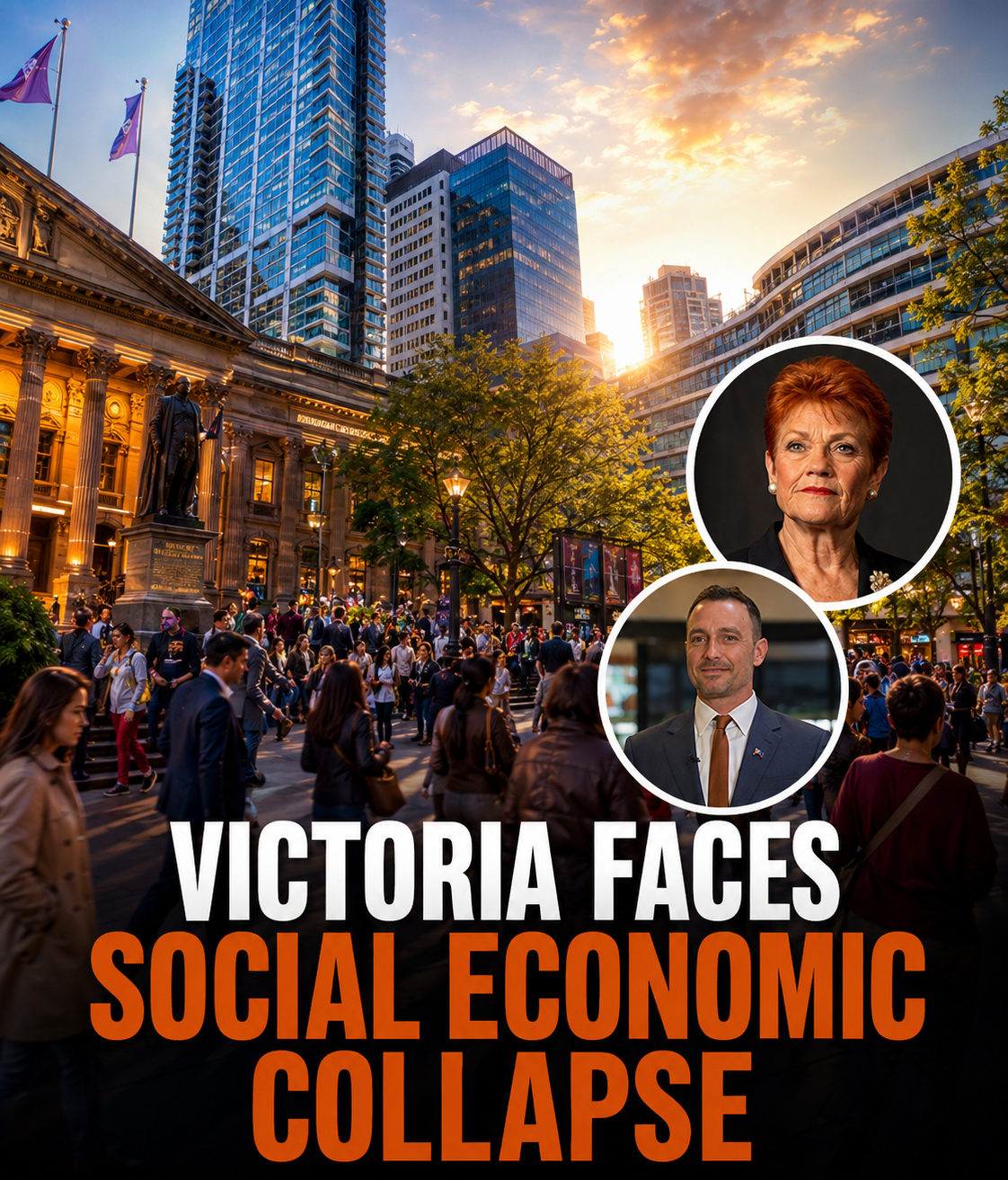
The party claims Victoria has been pushed to the edge of economic decline after years of expanding public borrowing and escalating costs on major transport projects.
Its campaign material points to Victoria’s projected state debt of around $215 billion, which represents the highest debt-to-gross-state-product ratio of any Australian state according to recent financial assessments. Moody’s has also warned that debt servicing costs could consume almost one dollar in every ten dollars of Victorian government revenue by 2030 if current trends continue.
One Nation argues those figures demonstrate that the state’s finances have moved well beyond earlier government budget forecasts and reflect years of excessive expenditure on major infrastructure projects.
The party highlights the Suburban Rail Loop and North East Link as examples of projects whose estimated costs have risen substantially since they were first announced, arguing the increases have contributed significantly to Victoria’s expanding debt burden.
According to the campaign material, these cost overruns illustrate broader problems with project planning, financial management and government accountability.
The party also points to Victoria’s labour market as evidence of economic weakness.
Its campaign states that Victoria’s unemployment rate has risen to around 5.1 per cent, describing it as the highest among Australia’s states and well above the national average.
One Nation argues that the combination of slowing employment growth, rising debt and increasing interest costs has left many Victorian households facing growing economic uncertainty.
The campaign concludes that only a change in government can reverse those trends.
The Victorian government’s position differs significantly.
Labor has consistently argued that borrowing has been necessary to finance long-term investments in transport infrastructure, hospitals, schools and other public assets needed to accommodate Victoria’s growing population.
Successive Labor governments have maintained that major projects such as the Suburban Rail Loop and North East Link are designed to improve productivity, reduce congestion and support economic growth over coming decades rather than simply increase public spending.
Government ministers have also argued that many cost increases reflect higher construction prices, labour shortages, inflation and disruptions affecting infrastructure projects across Australia and internationally.
Victoria’s fiscal position has nevertheless become one of the defining issues ahead of the November state election.
Independent credit rating agency Moody’s recently noted that Victoria carries Australia’s largest state debt in both absolute terms and relative to the size of its economy, while warning that debt affordability is becoming an increasingly important challenge as interest costs continue rising.
The agency estimated that interest payments could account for approximately ten per cent of state revenue by the end of the decade, reducing the government’s financial flexibility unless debt growth slows or revenue increases.
Those assessments have become central to opposition attacks on Labor’s economic management.
The Coalition has likewise argued that Victoria requires stronger fiscal discipline, while business organisations have expressed concern about the long-term impact of high debt, taxation and slowing private investment.
Labor rejects suggestions that the state’s economy is approaching collapse.
The government points to continued population growth, major infrastructure investment and ongoing public sector construction as evidence that borrowing is funding productive assets intended to benefit future generations.
It also argues that unemployment rates fluctuate over time and should be considered alongside broader indicators such as workforce participation, business investment and economic output.
Political analysts note that Victoria’s finances are likely to remain one of the dominant campaign issues throughout the election.
For One Nation, highlighting debt and unemployment aligns with the party’s broader message that both Labor and the Liberal Party have failed to restore fiscal discipline.
The party has positioned itself as an alternative for voters dissatisfied with the state’s economic direction, arguing Victoria requires lower public debt, tighter budget management and policies aimed at supporting private enterprise and employment growth.
Whether that message resonates with Victorian voters remains uncertain.
Recent polling suggests cost-of-living pressures, housing affordability, crime and the economy rank among the issues of greatest concern to voters, with government debt becoming an increasingly prominent part of that broader discussion.
As the campaign progresses, debate is expected to focus not only on the size of Victoria’s debt but also on whether major infrastructure investments will ultimately generate the long-term economic benefits promised by the government or validate opposition claims that the state’s finances have become unsustainable.






