Political commentator Peter van Onselen has argued that the Albanese government’s housing and economic policies have unintentionally made home ownership more expensive for the very Australians they were designed to help, claiming first-home buyers are effectively paying an additional $85,000 because rising prices have outpaced government assistance.
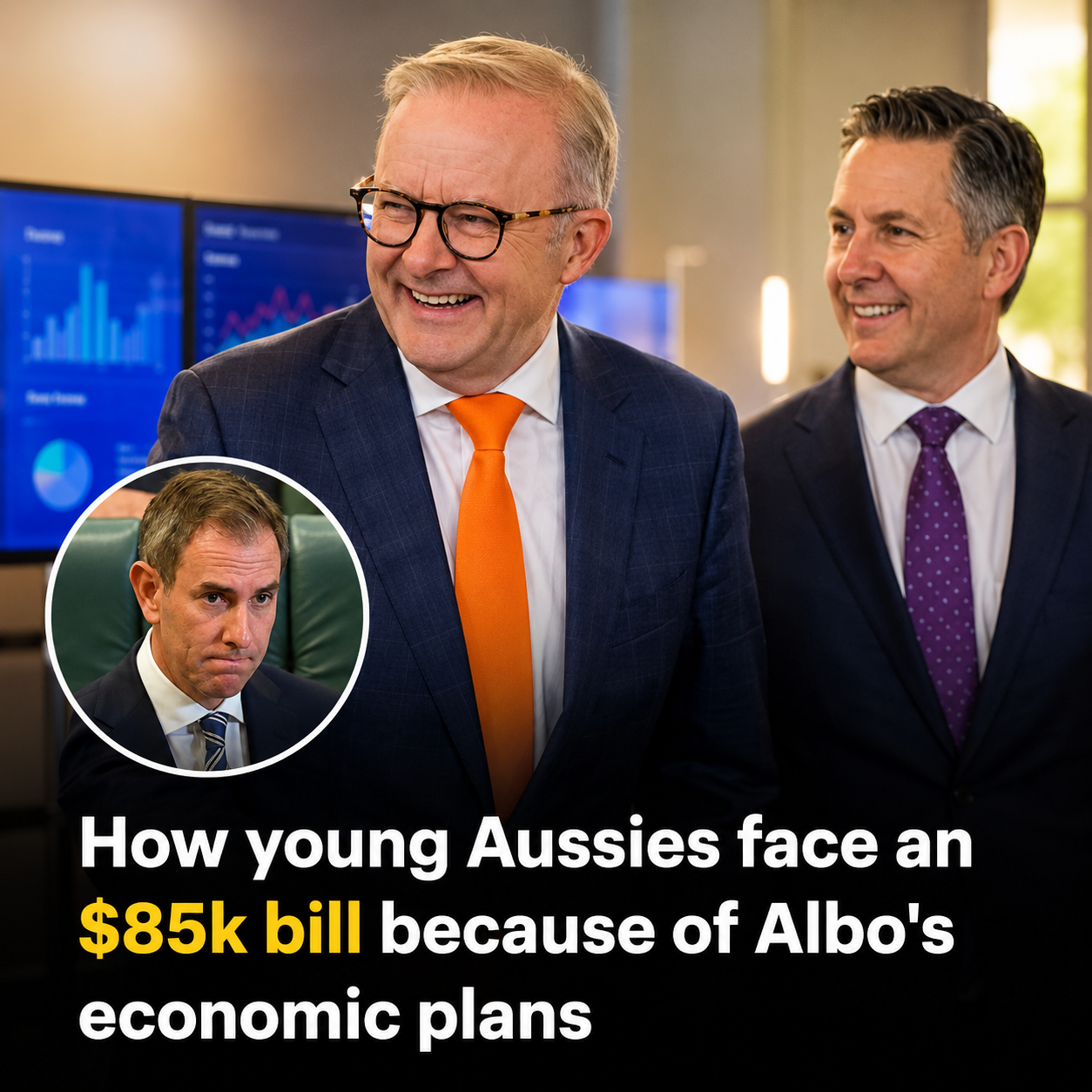
Writing in an opinion piece, van Onselen contends that the government’s strategy has focused heavily on stimulating demand while failing to deliver enough additional housing supply quickly enough to prevent prices from continuing to rise.
He argues that measures intended to assist aspiring homeowners have instead become capitalised into higher property prices, leaving buyers paying substantially more than they otherwise would have.
According to van Onselen, the “brutal reality” is that the government’s policies have trapped many of the first-home buyers Labor promised to support.
His analysis suggests that while buyers may receive assistance through various government initiatives, much of that benefit is effectively absorbed by rising house prices, reducing or even eliminating the intended financial advantage.
The estimated $85,000 figure represents van Onselen’s assessment of the additional cost borne by many prospective purchasers as property values continue climbing amid persistent supply shortages.
Housing affordability has become one of Australia’s most significant economic and political challenges.
Over the past several years, strong population growth, limited housing construction, elevated building costs, labour shortages and high demand have combined to place sustained upward pressure on property prices and rental costs across much of the country.
Many economists argue that Australia’s housing shortage cannot be resolved through demand-side assistance alone.
Instead, they say lasting improvements in affordability require substantially higher levels of housing construction, faster planning approvals, increased infrastructure investment and reforms to zoning rules that enable greater housing density in appropriate locations.
The Albanese government has repeatedly acknowledged that Australia faces a structural housing shortage.
Its flagship National Housing Accord aims to facilitate the construction of 1.2 million new homes over five years through cooperation with state and territory governments, local councils and the private sector.
The government has also introduced initiatives including the Help to Buy shared equity scheme, expanded access to the Home Guarantee Scheme, increased investment in social and affordable housing, incentives for build-to-rent developments and funding intended to accelerate housing supply.
Labor argues these measures form part of a long-term strategy to improve affordability while increasing overall housing stock rather than relying on short-term interventions alone.
Ministers have consistently maintained that boosting supply is central to addressing Australia’s housing crisis.
At the same time, the government has sought to moderate net overseas migration following record post-pandemic levels, arguing that easing population growth will help reduce pressure on the housing market while additional homes are constructed.
Despite these measures, affordability remains a major concern for many Australians.
Recent data have shown dwelling approvals remain below the pace required to meet the National Housing Accord target, prompting criticism from housing industry groups and opposition politicians who argue construction activity must accelerate significantly if the government’s objectives are to be achieved.
Van Onselen argues that the gap between housing demand and new supply has allowed government incentives to inflate prices rather than improve affordability.
He contends that buyers ultimately pay more for homes because sellers adjust asking prices to reflect increased purchasing capacity created by government support programs.
That argument reflects a broader economic debate that has existed for many years.
Some economists have similarly warned that grants, subsidies and shared-equity programs can contribute to higher prices when housing supply is constrained, because additional purchasing power enters a market where relatively few homes are available.
Others, however, argue that such assistance remains important for helping first-home buyers overcome large deposit requirements and enter the market sooner than would otherwise be possible.
They also note that demand-side programs are generally intended to operate alongside policies that increase housing supply, rather than replace them.
The Coalition has continued attacking Labor over housing affordability, arguing the government’s broader economic management—including migration settings and construction costs—has contributed to ongoing pressure on house prices and rents.
Labor rejects that criticism, pointing to historically low levels of housing construction inherited from previous years, rising global inflation following the COVID-19 pandemic and worldwide shortages of construction materials and skilled workers as significant contributing factors.
The government has also argued that many of today’s affordability challenges developed over decades and cannot be resolved within a single parliamentary term.
Housing economists generally agree that Australia’s affordability problems stem from multiple interacting factors rather than any single policy.
Interest rates, population growth, land availability, planning regulations, taxation settings, investor demand, infrastructure provision and construction capacity all influence housing costs to varying degrees.
For first-home buyers, the practical impact is increasingly evident.
Many prospective purchasers continue facing higher deposit requirements, increased mortgage repayments and intense competition for a limited number of available properties, particularly in Australia’s largest cities.
Those pressures have fuelled growing political debate over whether governments should prioritise direct assistance for buyers, broader planning reform or significantly greater investment in new housing supply.
Van Onselen’s article adds another perspective to that debate by arguing Labor’s current approach has produced outcomes opposite to those originally intended.
Whether the estimated $85,000 additional cost accurately reflects the experience of all first-home buyers remains open to debate, as housing markets vary considerably between states, cities and regional areas, and the figure presented in the opinion piece has not been adopted as an official government estimate or independently verified in a comprehensive national study.
Nevertheless, the article highlights the growing political importance of housing affordability as Australia continues grappling with one of the country’s most persistent economic challenges.






