Australia’s Labor government is preparing one of its most significant overhauls of the migration system since coming to office, but the highly anticipated announcement has been thrown into uncertainty after Home Affairs Minister Tony Burke postponed a major National Press Club address where the reforms were expected to be unveiled.
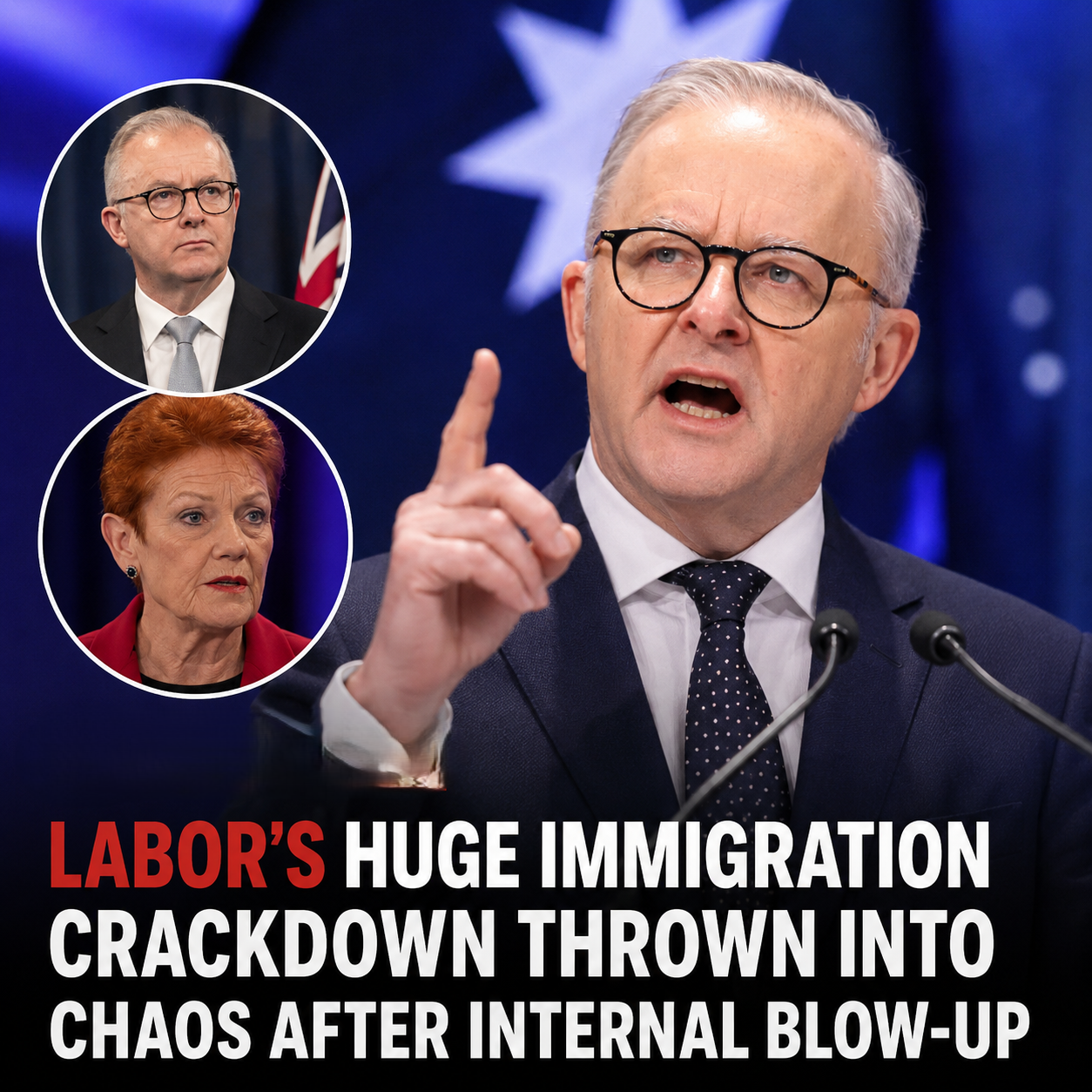
The speech, originally scheduled for this week, was expected to outline a package of measures aimed at reducing net overseas migration through tighter visa rules, stricter asylum policies and changes affecting working holiday makers. However, Burke’s office confirmed the address had been postponed because key elements of the package had not yet been finalised.
The delay immediately fuelled speculation that disagreements inside the Albanese government had complicated the rollout of reforms that have become increasingly politically sensitive amid mounting concern over housing affordability, infrastructure pressure and Australia’s migration intake.
Government sources, however, have downplayed suggestions of a major cabinet split, describing the remaining issues as matters still being settled before the package is presented publicly. A new date for the National Press Club address is expected to be announced in the coming weeks.
According to multiple reports, the proposed reforms would tighten several key pathways into Australia while making it more difficult for temporary visa holders to remain in the country for extended periods.
Among the most significant reported changes are new rules affecting family visas. Under the proposal, spouses, parents and children of Australian citizens or permanent residents would no longer be able to apply for permanent family visas while visiting Australia on tourist visas.
Instead, applicants would generally be required to remain overseas until their visa applications are determined. The change would significantly reduce the number of people able to transition onto bridging visas, which currently allow many applicants to remain lawfully in Australia while waiting for permanent decisions, often with work rights and access to Medicare.
The government is also reportedly considering substantial changes to Australia’s asylum system.
Under the proposals canvassed, asylum seekers whose protection claims are still being assessed could face tighter restrictions on employment while their applications are processed. The package is also expected to reduce opportunities for unsuccessful applicants to pursue lengthy appeal processes, with ministers arguing the changes are designed to discourage non-genuine protection claims and improve the integrity of the migration system.
Working holiday visas are another major area under review.
Officials are reportedly examining whether to impose broader limits on backpackers seeking to remain in Australia for a second or third year. While applicants from countries including China, India and Vietnam already face lottery systems in some visa categories, reports suggest the government is considering expanding restrictions more broadly across the Working Holiday Maker program. No final decision has been announced.
The proposed measures form part of Labor’s broader strategy to continue reducing net overseas migration after record post-pandemic levels placed increasing pressure on housing, rental markets and public infrastructure.
Australia’s net overseas migration peaked at approximately 556,000 following the reopening of international borders after COVID-19 but has since fallen significantly. Government figures now place annual net overseas migration at around 301,000, representing a reduction of roughly 45 per cent from its peak. The Albanese government has forecast further declines over coming years while maintaining the permanent Migration Program at 185,000 places annually.
Even before Burke’s postponed speech, the government had quietly begun implementing administrative changes intended to influence migration outcomes.
Late last month, the Home Affairs Minister issued a new ministerial direction giving greater priority to skilled migrants already living and working in Australia when processing permanent visa applications. Workers employed in sectors such as defence, law enforcement, health, aged care and construction have been placed higher in the processing queue.
Because many of those applicants are already counted in Australia’s resident population, prioritising them is expected to help reduce future net migration figures without changing the overall permanent migration intake.
The reforms arrive as immigration has become one of the most contested political issues ahead of the next phase of Labor’s term.
The Coalition has repeatedly argued migration levels have placed excessive pressure on housing affordability, while One Nation has called for substantially deeper cuts to annual migration. Rising public concern over rental costs and housing supply has increased pressure on the Albanese government to demonstrate that it is actively managing population growth.
Opposition figures seized on Burke’s postponed speech as evidence of confusion inside government.
Coalition immigration spokesman Jonno Duniam argued the delay reflected Labor’s inability to settle its own migration policy despite months of signalling tougher measures. He said Australians deserved clarity on how the government intended to address migration pressures affecting housing and public services.
The government rejects suggestions that the postponement represents a policy backflip.
A spokesperson for Burke said the National Press Club address would “deal with the migration system as a whole” and confirmed it had simply become clear that some aspects of the speech were not ready to be finalised in time for the scheduled event. Officials said they were working with the Press Club to secure a new date.
Migration experts note that many of the reported reforms target temporary migration rather than Australia’s permanent migration program.
Changes affecting bridging visas, working holiday makers, visa processing priorities and asylum procedures can influence net overseas migration without necessarily reducing the permanent migration cap. That distinction is important because net migration measures movements into and out of Australia over time, while the permanent migration program governs the number of permanent visas issued each year.
Some advocacy organisations have also expressed concern about aspects of the reported package.
The Asylum Seeker Resource Centre has warned against framing asylum seekers as a primary driver of migration pressures and has argued that reforms should balance border integrity with Australia’s humanitarian obligations. Other migration specialists have emphasised that details remain subject to cabinet consideration and may change before any formal announcement is made.
For now, many of the proposed measures remain exactly that—proposals.
While multiple media outlets have reported consistent details about the government’s planned direction, Labor has not yet released the complete package, and several elements remain under active consideration.
Once Tony Burke delivers his rescheduled National Press Club address, the government is expected to provide greater clarity on which reforms will proceed, how quickly they will be implemented and what impact ministers believe they will have on Australia’s migration system and future population growth.






