Anthony Albanese is facing renewed scrutiny over his political credibility after the federal government’s 2026 Budget reignited accusations that Labor had abandoned key election commitments.
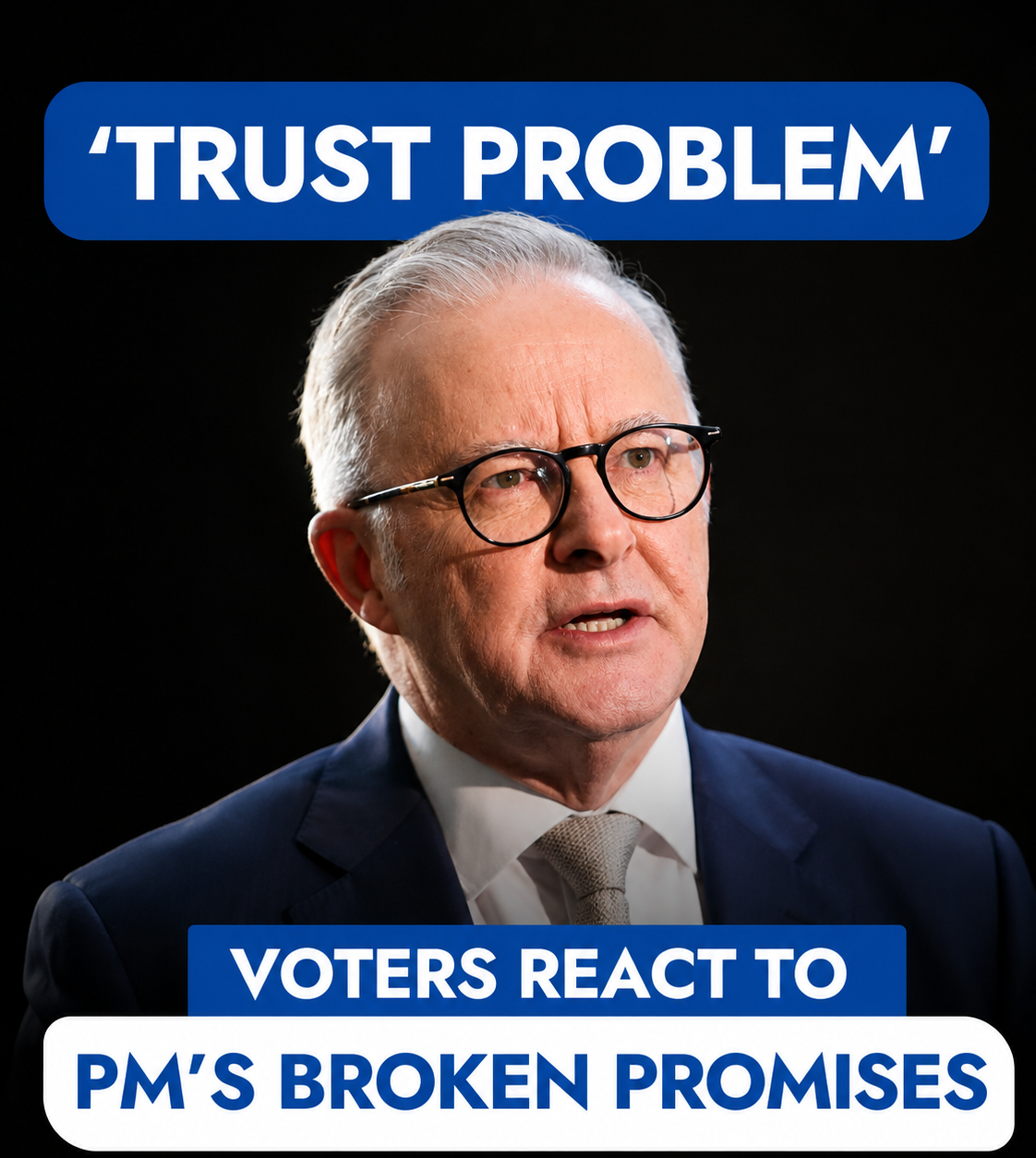
Only days after Treasurer Jim Chalmers handed down the Budget, debate has shifted beyond tax measures and housing reforms to a broader question that is increasingly dominating Australia’s political conversation: can voters still trust the Prime Minister?
Critics argue that the government’s decision to change long-standing positions on property taxation, including reforms to negative gearing and capital gains tax concessions, represents a significant departure from assurances given before the election. Those policy reversals have become a central point of attack for the Coalition and conservative commentators, who claim Labor has broken promises made to Australian voters.
The issue has rapidly evolved from a debate over economic policy into one centred on political trust, with opponents suggesting the government underestimated how strongly Australians value election commitments.
Radio broadcaster Ben Fordham summed up the criticism by arguing that Anthony Albanese now has a “trust problem”, reflecting growing concern among sections of the electorate following the Budget.
Polling conducted in the immediate aftermath of the Budget suggested those concerns extended beyond political commentary. Surveys found many Australians believed the government had broken important promises, while a substantial share reported declining confidence in Labor’s leadership following the Budget announcement.
Much of the controversy centres on changes affecting investment property taxation.
Before the election, Labor repeatedly ruled out major changes to negative gearing arrangements. However, the 2026 Budget introduced significant reforms designed to reshape housing investment incentives as part of a broader strategy aimed at improving housing affordability and increasing new home construction.
The government argues that economic circumstances have changed considerably since those earlier commitments were made.
Speaking after the Budget, Prime Minister Albanese acknowledged that Labor had altered its position but defended the decision, saying the housing crisis required stronger action than previously anticipated.
“We have changed our position. I’m up front about that,” the Prime Minister said during a television interview, arguing that existing measures had not gone far enough to address Australia’s housing challenges.
The government insists the reforms are designed to improve fairness, encourage construction of new housing and help younger Australians enter the property market.
According to official Budget documents, ministers believe the package combines cost-of-living relief with broader structural reforms intended to strengthen the economy over the longer term.
Nevertheless, critics argue the political cost may outweigh the policy benefits.
Opposition figures have repeatedly characterised the changes as evidence that Labor cannot be trusted to honour election commitments, while some commentators say the issue has become symbolic of a wider credibility problem facing the government.
The political significance extends beyond the specific tax measures.
Trust has traditionally been one of the most influential factors affecting Australian federal elections, particularly during periods of economic uncertainty. With households continuing to face cost-of-living pressures, rising mortgage repayments and housing affordability concerns, perceptions of honesty and consistency can become just as important as the policies themselves.
Polling conducted after the Budget found many respondents believed they would be financially worse off under the government’s proposals, while others questioned whether the reforms would actually improve housing affordability. >
Not all reactions, however, have been negative.
Supporters of the reforms argue successive governments have failed to confront structural problems within Australia’s housing market and that meaningful reform inevitably requires politically difficult decisions.
Some economists and commentators have suggested that changing longstanding tax settings could encourage investment in new housing supply rather than existing homes, potentially easing pressure over time. Others argue governments sometimes need to alter policies when economic conditions change significantly.
The Albanese government has adopted a similar defence, saying global uncertainty, persistent housing shortages and changing economic conditions justified revisiting earlier commitments.
Ministers have described the Budget as one focused on “resilience and reform”, arguing it balances cost-of-living assistance with long-term structural improvements.
Whether voters ultimately accept that explanation remains uncertain.
Political history suggests Australians have occasionally forgiven governments that reversed campaign commitments when they believed circumstances genuinely required change. At other times, broken promises have become defining political liabilities lasting well beyond a single parliamentary term.
For Anthony Albanese, the challenge now extends beyond defending individual Budget measures.
He must also convince voters that changing course represented responsible leadership rather than political inconsistency.
That task could become increasingly important as Labor seeks to maintain public confidence while implementing one of the most ambitious tax and housing reform agendas in recent years.
The coming months will provide a clearer indication of whether the Budget debate remains focused on policy details or whether questions surrounding trust continue to shape the government’s political fortunes.
For now, the Budget has sparked one of the most significant political debates of Albanese’s second term, with supporters describing the reforms as necessary economic leadership and critics insisting they represent broken promises that risk undermining public confidence in the Prime Minister.






