Queensland Premier David Crisafulli is under increasing political scrutiny as critics argue his government has yet to deliver convincing progress on the core issues that helped propel the Liberal National Party to victory at the 2024 state election.
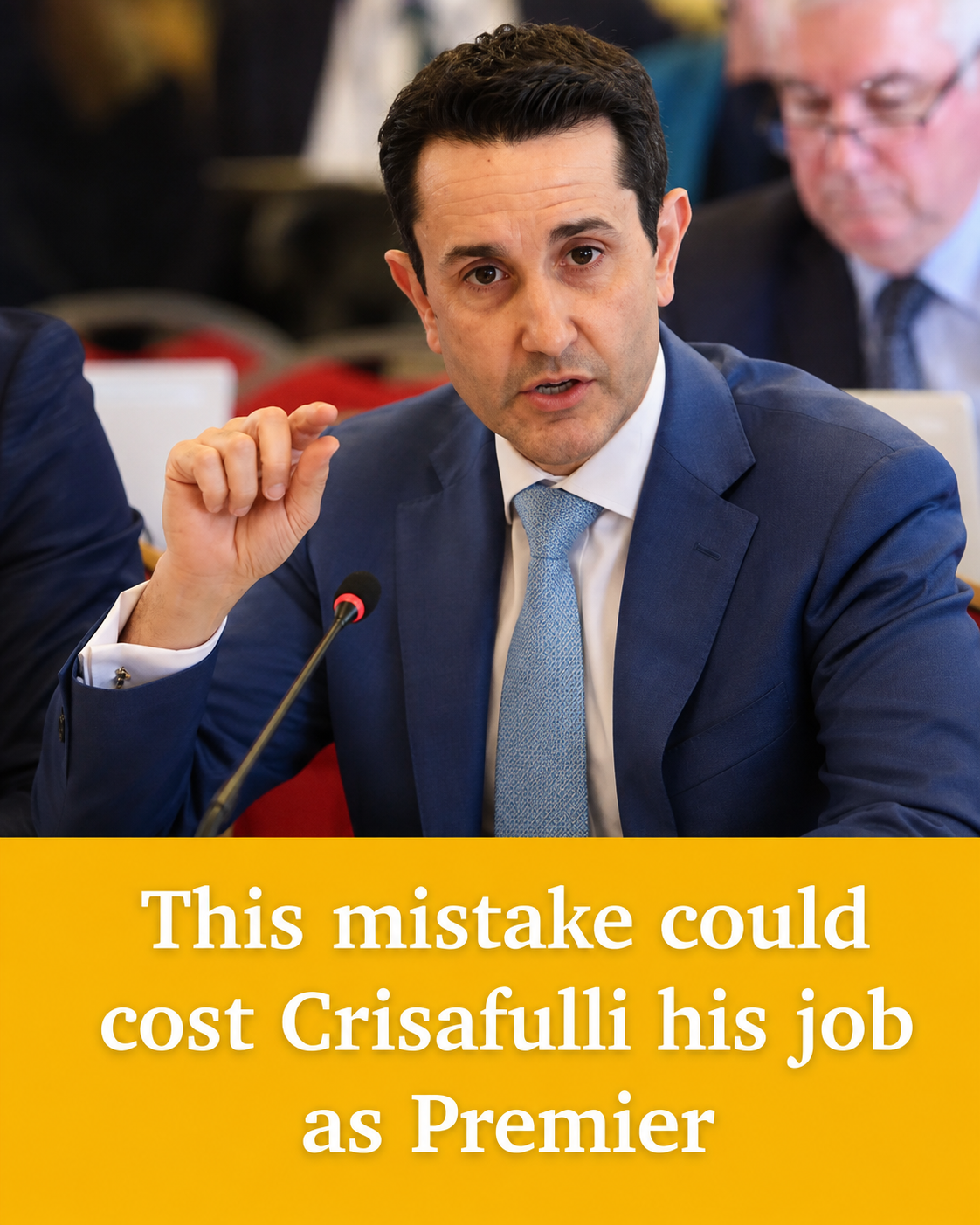
Political commentator Madonna King has warned that Queensland voters have historically judged premiers not by the number of announcements they make, but by whether they deliver tangible improvements on the promises that mattered most during election campaigns.
Writing in The Courier-Mail, King argues the same pattern contributed to the electoral defeats of former premiers Campbell Newman and Steven Miles, and warns David Crisafulli could face similar political consequences if public confidence continues to erode.
During the 2024 election campaign, the Liberal National Party centred its message around four major priorities: youth crime, cost-of-living pressures, housing affordability and improvements to health services.
Crisafulli repeatedly argued that Queensland needed a “fresh start” after almost a decade of Labor government and pledged decisive action to restore public confidence.
Since taking office in October 2024, the government has introduced a series of reforms, including its “Making Queensland Safer Laws”, commonly described through the slogan “adult crime, adult time”, tougher sentencing provisions for some juvenile offenders, housing initiatives and additional investment in frontline services. These measures formed part of the government’s stated election commitments.
However, critics argue that many Queenslanders remain unconvinced by the results achieved so far.
Youth crime remains one of the government’s greatest political challenges.
Although the LNP made law and order the centrepiece of its election campaign, community concern over violent offending by young people has continued in several parts of the state.
Opposition politicians argue that public expectations were raised significantly during the campaign and that many voters expected faster improvements after the change of government.
The Crisafulli government maintains its reforms are designed to produce long-term improvements rather than immediate results and says additional resources have been directed towards policing, detention capacity and intervention programs.
Housing affordability has become another major point of political debate.
Queensland continues to experience strong population growth, high rental demand and affordability pressures affecting both renters and first-home buyers.
The government has announced measures including infrastructure funding, planning reforms and assistance for home ownership, arguing these policies will increase housing supply over time.
Critics, however, contend that housing pressures remain acute and that many Queenslanders have yet to experience meaningful relief.
Child safety has also emerged as a sensitive issue.
Several high-profile cases have prompted renewed questions about the effectiveness of Queensland’s child protection system, leading to calls from advocacy groups and opposition MPs for further reforms.
The government says strengthening protections for vulnerable children remains a priority and has committed additional resources to frontline services, while acknowledging that systemic improvements will require sustained long-term effort.
Madonna King’s analysis argues that political history demonstrates voters ultimately judge governments on outcomes rather than intentions.
She points to previous Queensland administrations that entered office with strong public support but later lost power after failing to convince voters they had delivered on the issues that mattered most.
According to King, election victories create expectations that become increasingly difficult to manage if measurable improvements are not visible during a government’s first term.
The comparison inevitably recalls the experience of former premier Campbell Newman, whose government won a landslide victory in 2012 before suffering a dramatic defeat just one term later.
More recently, Labor also experienced significant electoral losses after growing public dissatisfaction over issues including crime, cost of living and confidence in government.
Political analysts note that Queensland has developed a reputation for rapidly changing governments when voters conclude promised reforms are not producing expected outcomes.
Supporters of the government argue such comparisons overlook the complexity of the challenges Crisafulli inherited.
They contend that problems involving housing shortages, youth offending and public service performance accumulated over many years and cannot reasonably be resolved within the first half of a parliamentary term.
Government ministers have repeatedly stated that structural reforms often require several years before measurable improvements become evident.
Political observers also note that governments are frequently judged less by whether every problem has been solved than by whether voters believe clear progress is being made.
Maintaining public confidence therefore depends not only on policy announcements but also on convincing Queenslanders that reforms are producing practical results in their daily lives.
That challenge becomes increasingly significant as the next election approaches and opposition parties begin scrutinising the government’s record against its own campaign commitments.
Queensland’s political history demonstrates that first-term governments often enjoy strong goodwill immediately after taking office, but that support can diminish if expectations remain unmet.
Whether David Crisafulli avoids the political fate experienced by several previous premiers will ultimately depend on how voters assess his government’s performance on the issues that defined the 2024 election campaign.
For now, youth crime, housing affordability, child protection and cost-of-living pressures remain central tests of the government’s credibility.
As Madonna King argues, governments are elected on promises—but they remain in office only if voters believe those promises are being delivered.






