One Nation leader Pauline Hanson has reignited Australia’s already heated immigration debate after endorsing the idea of mass deportations during a controversial visit to the United Kingdom, where she met several high-profile figures associated with Britain’s political right.
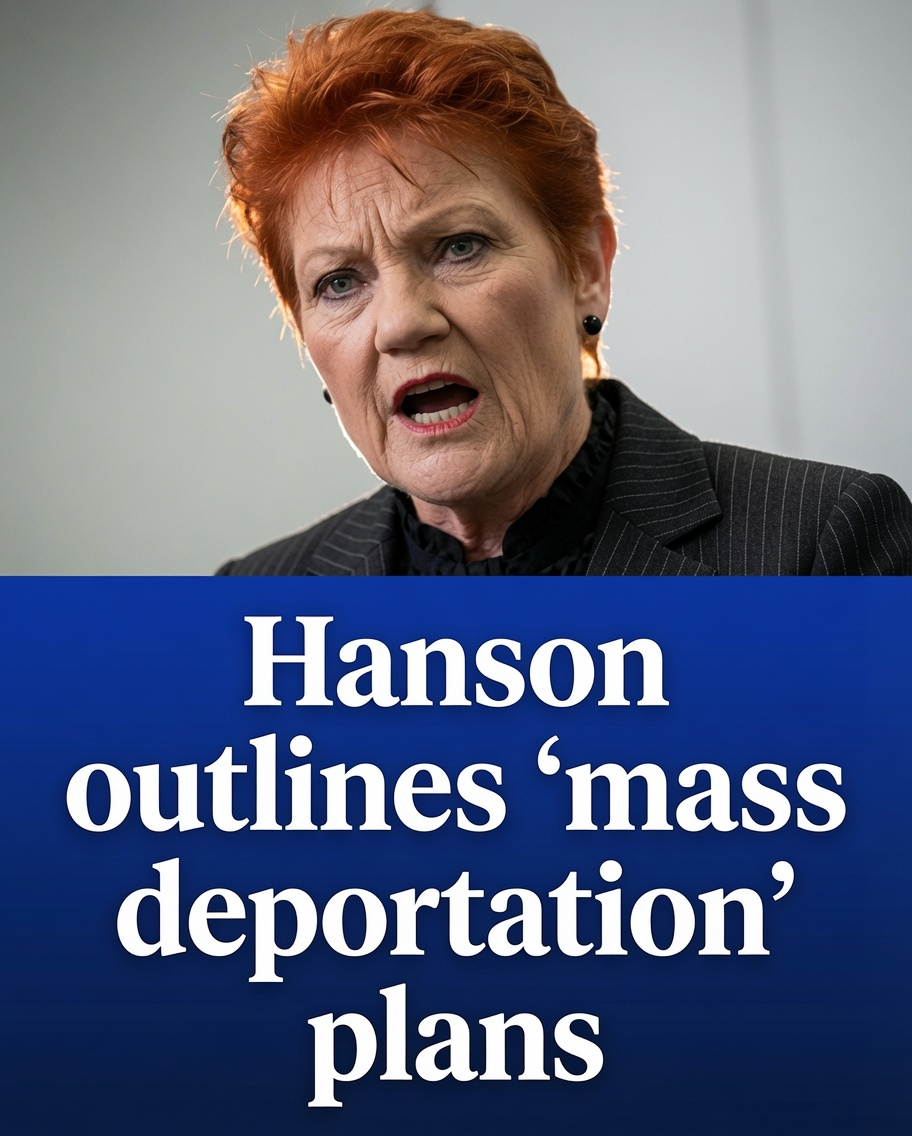
The Queensland senator made the remarks while filming Channel Seven’s Spotlight program during what she described as a fact-finding tour examining the effects of immigration policies in Britain.
Asked whether she supported the concept of mass deportations, Hanson replied: “Oh, I love it.” She later clarified that her comments referred specifically to people who were living in Australia illegally rather than lawful migrants or permanent residents.
The comments have quickly become one of the most politically contentious moments of Hanson’s overseas trip, which has also included appearances alongside controversial British figures including Tommy Robinson, whose real name is Stephen Yaxley-Lennon, and attendance at conservative political events in London.
During the television program, Hanson argued Australia should avoid following what she believes has happened in parts of the United Kingdom where immigration has significantly changed local demographics.
Walking through areas of England with Robinson, Hanson said she did not want Australia to experience similar demographic changes, claiming the visit had strengthened her determination to campaign for stricter immigration policies at home.
The One Nation leader has maintained that her proposal targets people who have no legal right to remain in Australia, including visa overstayers and unlawful non-citizens.
That position broadly reflects One Nation’s published immigration policy, which has previously called for the removal of tens of thousands of illegal migrants through stronger immigration enforcement.
However, Hanson’s UK visit has generated controversy extending well beyond her comments on illegal migration.
She has faced sustained criticism for participating in an interview with Robinson, one of Britain’s most polarising far-right activists, whose criminal history includes convictions for offences such as assault, fraud and contempt of court.
During that podcast appearance, Hanson also lamented the end of Australia’s former White Australia policy, arguing that immigration problems began after the policy was dismantled.
She further alleged, without presenting evidence, that some migrant communities were exploiting Australia’s welfare system and raised claims regarding misuse of the National Disability Insurance Scheme (NDIS). Those assertions were rejected by federal ministers, who said no evidence supported the allegations.
Following criticism, Hanson insisted she was not advocating a return to the White Australia policy.
Instead, she argued her focus was on reducing migration from countries whose cultures she believes are incompatible with Australian values, while continuing to defend her meeting with Robinson.
“I’m not backing away,” Hanson said after the interview generated widespread political backlash.
The Albanese government has strongly criticised the One Nation leader’s overseas comments.
Prime Minister Anthony Albanese accused Hanson of speaking negatively about Australia while overseas, while ministers rejected suggestions that Australia’s immigration system resembles the situations Hanson described during her UK tour.
Health Minister Mark Butler also dismissed Hanson’s claims regarding Muslim Australians and alleged welfare abuse, saying the assertions were unsupported by available evidence.
The political controversy has extended beyond Labor.
Nationals MP Barnaby Joyce defended Hanson against claims she wanted to restore the White Australia policy, arguing she was instead calling for stronger assimilation and tighter immigration controls.
At the same time, Joyce expressed support for deporting people who remain in Australia illegally after their visas expire, saying unlawful migrants should be removed once identified.
His comments illustrate how immigration remains one of Australia’s most politically contested issues, even where there is disagreement over the language used to describe enforcement policies.
Australia already has legal mechanisms allowing non-citizens without valid visas to be detained and removed under the Migration Act.
Successive governments from both major parties have deported unlawful non-citizens and certain visa holders who fail the character test, although the scale of removals depends on court proceedings, detention capacity, diplomatic cooperation and individual legal circumstances.
Hanson’s endorsement of “mass deportations” therefore represents not the existence of deportation powers themselves, but a call for their much broader and more aggressive use against unlawful migrants.
Supporters argue stronger enforcement would reinforce Australia’s migration system, discourage visa overstays and improve confidence in border security.
Critics counter that rhetoric surrounding mass deportations risks inflaming social divisions and oversimplifying complex immigration issues that often involve asylum claims, legal appeals and humanitarian obligations.
Human rights organisations have long argued that immigration enforcement must continue to comply with both Australian law and international refugee obligations, including protections against returning individuals to countries where they may face persecution.
The latest controversy also reflects a broader international trend.
Across Europe and North America, immigration has become a defining political issue, with several conservative parties campaigning for tighter borders, reduced migration and expanded deportation powers for illegal migrants.
Britain’s debates surrounding illegal Channel crossings, asylum accommodation and integration have featured prominently in recent elections and political campaigns, making the country a symbolic destination for politicians seeking to highlight concerns over migration.
Hanson has repeatedly argued that Australia should learn from Britain’s experience before similar demographic and social pressures emerge domestically.
Her opponents reject that comparison, arguing Australia’s immigration system, geographic isolation and border management framework differ substantially from the United Kingdom’s circumstances.
The controversy surrounding Hanson’s visit has been amplified by Channel Seven’s Spotlight documentary.
After the program aired, Hanson and her chief of staff accused the broadcaster of misrepresenting the purpose of the trip, arguing it had originally been promoted as an investigation into immigration challenges rather than a focus on her meetings with controversial individuals.
Seven defended the documentary, saying editorial decisions evolved as new developments emerged during production and rejecting suggestions it had deliberately misled Hanson.
The debate is unlikely to fade quickly.
Immigration has become one of the central issues in Australian politics following record levels of net overseas migration after the pandemic, increasing pressure on housing affordability, infrastructure and public services.
While the Albanese government has introduced measures intended to moderate migration growth over coming years, parties across the political spectrum continue to disagree over how quickly arrivals should be reduced and how existing immigration laws should be enforced.
For Pauline Hanson, whose political career has long centred on immigration and national identity, the latest controversy reinforces her position as one of Australia’s most outspoken advocates for tougher border and migration policies.
Whether that message expands her electoral support or further isolates One Nation from mainstream politics is likely to remain a significant question as Australia’s next federal election approaches.






