A horrific child abuse investigation that has shaken Australia’s early childhood education sector is prompting warnings that innocent male educators could become unintended casualties, as renewed public anxiety risks driving more men away from a profession where they are already a tiny minority.
The concerns follow allegations against former Sydney childcare worker Hamish Tait, 35, who has been charged with 329 offences relating to the alleged abuse of 139 children over a period spanning from 2009 to 2025. Prosecutors allege the offences occurred while he worked across numerous childcare and early learning settings in Sydney’s north-west. Tait has not entered pleas to the charges, which remain before the courts.
The case has horrified families across Australia and intensified scrutiny of the childcare sector. Yet while parents and authorities focus on improving child protection, educators and industry leaders say another challenge is rapidly emerging: ensuring that public outrage does not unfairly stigmatise the overwhelming majority of male childcare workers who have dedicated their careers to supporting young children.
Men account for only about four per cent of Australia’s early childhood education and care workforce, making them a rare presence in childcare centres across the country. For decades, governments, researchers and providers have encouraged more men to enter the profession, arguing that children benefit from positive male role models alongside female educators.
Industry advocates now fear the latest allegations could reverse years of gradual progress.
Some male educators have reported feeling increasingly anxious about how parents may perceive them, while recruitment experts warn that potential entrants to the profession may decide the personal and professional risks outweigh the rewards.
The debate comes less than a year after another high-profile Victorian childcare case involving Joshua Dale Brown, who faces more than 150 charges relating to alleged child sexual offences in Melbourne childcare centres. Those proceedings are also continuing through the courts.
The two major investigations occurring within such a short period have profoundly shaken public confidence in parts of the early childhood sector and intensified calls for stronger child protection measures nationwide.
For many families, the allegations have prompted understandable questions about how childcare workers are screened, supervised and monitored throughout their careers.
Experts, however, caution against drawing conclusions based solely on gender.
Researchers who study child protection consistently note that safeguarding systems are most effective when they focus on behaviours, accountability, transparent reporting and institutional oversight rather than assumptions about particular groups of employees.
Industry organisations say the overwhelming majority of childcare workers—both women and men—provide safe, nurturing environments for children every day.
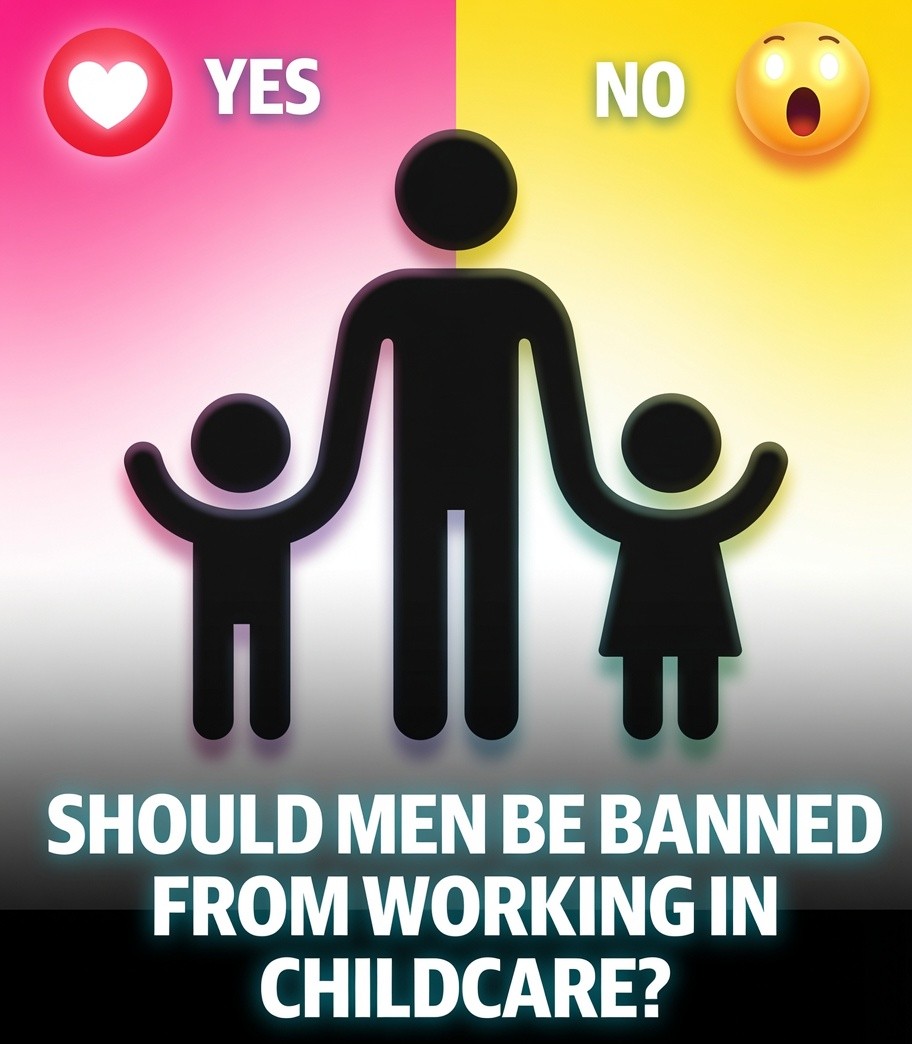
Several early childhood advocates have publicly opposed suggestions that men should be discouraged from working in childcare, arguing that such responses fail to address the systemic issues highlighted by recent investigations.
Instead, they contend that stronger safeguarding frameworks should apply equally to every educator regardless of gender.
The allegations against Tait have nevertheless exposed weaknesses that governments are now moving to address.
Federal and state authorities have announced or accelerated a range of proposed reforms designed to strengthen oversight of the childcare workforce.
Among the measures under discussion are the creation of a National Early Childhood Worker Register, improved information-sharing between jurisdictions, enhanced compliance systems, expanded safety training and trials of CCTV in some childcare settings.
Supporters argue these reforms would make it more difficult for individuals accused of serious misconduct to move undetected between employers or jurisdictions.
Industry representatives say stronger record-keeping and nationally consistent oversight could improve confidence among both parents and providers while helping identify risks earlier.
Police investigations continue to reveal the extraordinary scale of the alleged offending.
Australian Federal Police have identified more than 130 alleged victims while continuing efforts to identify additional children who may have been affected during the lengthy investigation known as Operation Moonbi.
Authorities have released information about dozens of childcare facilities where Tait either worked or visited in various professional capacities, although investigators have emphasised that not every listed centre is alleged to have been a location where offences occurred.
Police have also appealed for assistance from members of the public who may recognise locations or other details contained in images recovered during the investigation, stressing that even seemingly minor information may assist investigators in identifying victims or corroborating evidence.
The unfolding investigation has renewed broader conversations about how Australia protects children in institutional settings.
Over the past decade, governments have implemented significant reforms following recommendations from the Royal Commission into Institutional Responses to Child Sexual Abuse, including mandatory reporting obligations, stronger Working With Children Check requirements and expanded child-safe standards.
Recent events have nevertheless prompted renewed examination of whether existing systems remain adequate for a rapidly growing childcare sector serving hundreds of thousands of Australian families.
Early childhood providers acknowledge that restoring public confidence will require more than regulatory changes.
Many operators are reviewing internal safeguarding policies, strengthening supervision practices and reinforcing expectations around reporting concerns.
Training programs increasingly emphasise recognising grooming behaviours, maintaining professional boundaries and ensuring concerns are escalated immediately through established child protection processes.
At the same time, educators warn that fear should not become the defining feature of the profession.
Male staff members already describe being hyper-aware of situations that could be misinterpreted, often avoiding tasks such as comforting distressed children unless another staff member is present.
Some say they deliberately modify everyday interactions—not because policies require it, but because they worry about perceptions.
Supporters of greater gender diversity argue that such self-imposed restrictions ultimately affect children as well as educators.
Many child development specialists have long argued that exposure to caring adults of different genders can contribute positively to children’s social development, emotional learning and understanding of respectful relationships.
They caution that reducing opportunities for men to participate in early childhood education could unintentionally reinforce outdated stereotypes about caregiving roles.
The challenge, experts say, is ensuring that robust child protection measures coexist with fair treatment of educators who have done nothing wrong.
That balance is particularly important at a time when Australia’s childcare sector continues to experience workforce shortages, increasing demand and ongoing recruitment difficulties.
Many centres already struggle to attract enough qualified educators to meet staffing requirements.
If even fewer men consider childcare as a viable career, providers fear an already limited recruitment pool could become even smaller.
Families, meanwhile, continue to seek reassurance that every reasonable safeguard is in place to protect their children.
Authorities have encouraged parents with concerns connected to the investigation to contact police and available support services, while emphasising that investigations remain ongoing and that accused individuals are entitled to the presumption of innocence until matters are determined by the courts.
The latest allegations have undoubtedly become one of the most confronting moments in Australia’s childcare sector in recent years.
Yet many educators believe the industry’s long-term response will determine whether the tragedy ultimately produces meaningful reform.
For advocates, the objective is clear: strengthen systems that protect children, improve accountability across the sector and rebuild trust—without allowing fear to unfairly define thousands of dedicated professionals whose daily work helps Australian children learn, grow and thrive.






