One Nation leader Pauline Hanson has reignited debate over race, immigration and multiculturalism after telling a conservative political conference in London that people should “not apologise for being white” and declaring she was “sick of hearing about white privilege”.
The remarks came during the inaugural Conservative Political Action Conference (CPAC) Great Britain, where the veteran Australian senator addressed supporters as part of a broader European trip that has attracted significant political attention both in Australia and overseas.
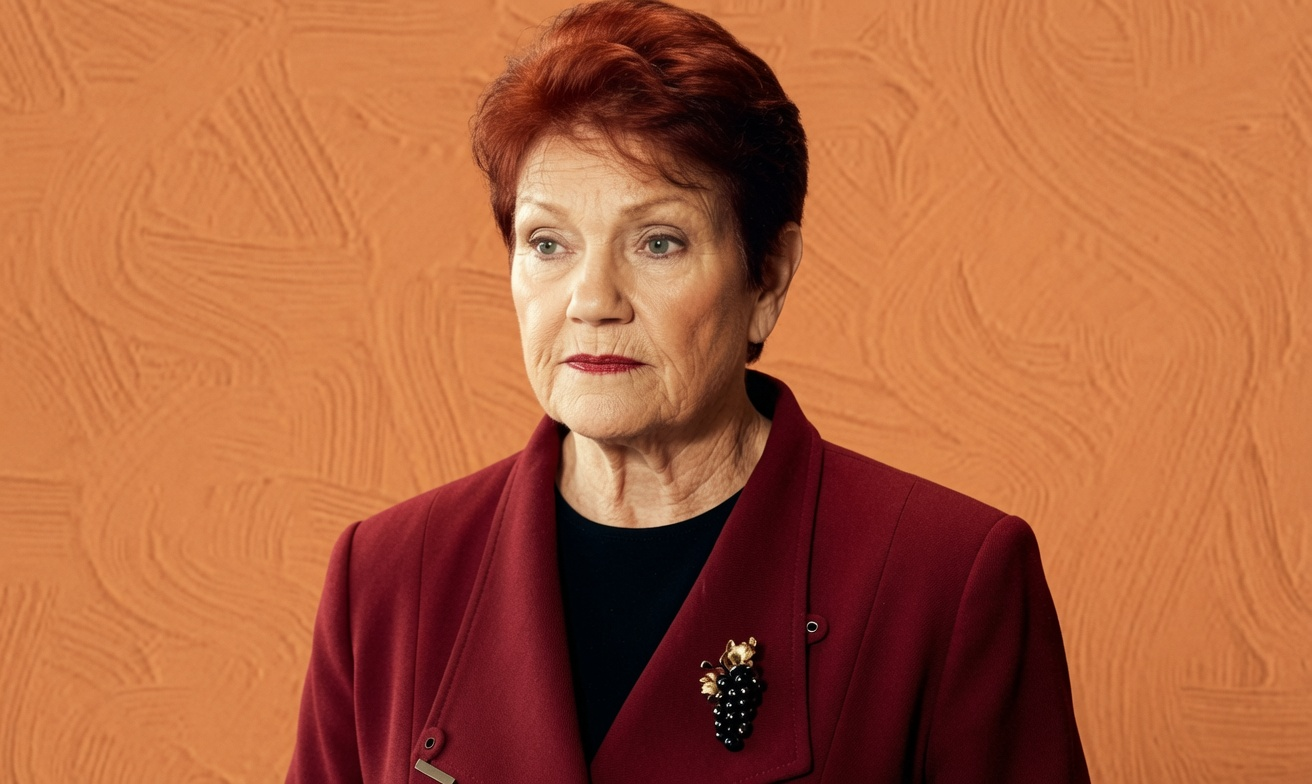
Hanson used her speech to repeat many of the themes that have defined her political career for decades, arguing that high migration, multiculturalism and what she described as “woke” politics were changing Western societies in ways she believes threaten their cultural identity.
Addressing the audience, Hanson said Australians should never feel guilty about their race.
“Do not apologise for being white. I’m sick of hearing about white privilege,” she said.
She argued that while history should be acknowledged, societies should avoid what she described as reversing past mistakes through modern identity politics.
“We must learn from the experience of the past by the mistakes that have happened. We don’t repeat that in reverse now,” Hanson told delegates.
The One Nation leader also claimed Australia was following a similar path to Britain, saying the country was several years behind the United Kingdom in terms of the social and demographic changes driven by immigration.
“I fear for England,” she said, warning that Australia should avoid making what she considers similar policy mistakes.
Immigration was again the central focus of Hanson’s address. She argued that migration from countries with cultures she believes are incompatible with Australia’s values should be reduced, repeating long-held positions that have formed the cornerstone of One Nation’s immigration platform.
The London speech formed the final major event of Hanson’s overseas visit, which included meetings with conservative political figures and appearances alongside several high-profile international guests attending the three-day CPAC conference.
CPAC, which originated in the United States, has become an international gathering for conservative and right-leaning politicians, campaigners and commentators. The 2026 London conference marked the first British edition of the event and featured speakers from Britain, Europe, Australia and the United States.
Former UK prime minister Liz Truss chaired the event, while Reform UK leader Nigel Farage was among the keynote speakers. Hanson appeared as one of the conference’s international guests, presenting what organisers described as the Australian perspective on issues including migration, national sovereignty and cultural identity.
Although Hanson received applause from supporters inside the venue, media reports noted that attendance during her address was relatively modest, with photographs showing many empty seats inside the conference ballroom. Australian media covering the event estimated only around 120 to 130 people were present for the speech.
The speech followed several days of controversy surrounding Hanson’s European visit.
Earlier in the trip she appeared on podcasts with British anti-immigration activist Tommy Robinson, where she discussed Australia’s migration policies and again criticised multiculturalism. Those appearances generated criticism from across Australia’s political spectrum and prompted renewed scrutiny of her comments about the former White Australia policy.
Hanson has since maintained that she does not support returning to racially discriminatory immigration laws, arguing instead that her concern is whether migrants integrate into Australian society and share Australian values. She has repeatedly said her criticism is directed at immigration policy rather than race itself.
Her latest comments nevertheless triggered swift political reactions back home.
Prime Minister Anthony Albanese criticised Hanson for using an overseas platform to portray Australia negatively, saying Australian political leaders should promote the country’s strengths rather than “talk Australia down” while abroad.
Government ministers and opposition figures also rejected suggestions that Australia should abandon multiculturalism, arguing that the nation’s diversity has become one of its defining strengths despite ongoing debates about migration levels.
The controversy arrives during a period of renewed national discussion about migration, housing affordability and population growth.
Australia recorded historically high levels of net overseas migration following the reopening of international borders after the COVID-19 pandemic, contributing to pressure on housing supply, rental markets and public infrastructure.
Those pressures have become a major political issue, with both major parties pledging to reduce migration compared with the post-pandemic peak while rejecting calls for race-based immigration policies.
One Nation has consistently argued that migration levels remain too high and has advocated significantly tighter immigration controls, stronger border security and policies designed to encourage greater cultural assimilation.
Supporters of Hanson argue she is raising concerns shared by many Australians about population growth, housing shortages and social cohesion.
Critics, however, contend that her language risks inflaming racial tensions and oversimplifies complex economic and social issues by linking them primarily to immigration.
Debates surrounding concepts such as “white privilege” have become increasingly prominent across Western democracies over the past decade, particularly in discussions about systemic discrimination, historical inequality and social justice.
Supporters of the concept argue it describes structural advantages experienced by members of majority populations in some societies, rather than implying individual responsibility for historical discrimination.
Opponents, including Hanson, argue the phrase unfairly stereotypes individuals based solely on race and contributes to social division rather than unity.
The issue remains politically contentious not only in Australia but also across Britain, Europe and North America, where debates over immigration, national identity and free speech have become increasingly prominent in election campaigns.
For Hanson, the latest controversy is unlikely to alter her political strategy.
Throughout nearly three decades in Australian politics, she has repeatedly embraced polarising debates over immigration, multiculturalism and national identity, arguing they reflect concerns that mainstream political parties are reluctant to address openly.
Whether her latest overseas remarks strengthen support among existing One Nation voters or alienate more moderate Australians remains to be seen.
What is clear is that her comments have once again placed questions about race, migration and Australia’s national identity at the centre of the political conversation, ensuring debate over those issues is likely to continue well beyond the conclusion of her European tour.






