Australia’s increasingly polarised debate over sex-based rights and transgender inclusion has intensified following allegations that threatening protest signs displayed during recent rallies crossed the line from political disagreement into intimidation.
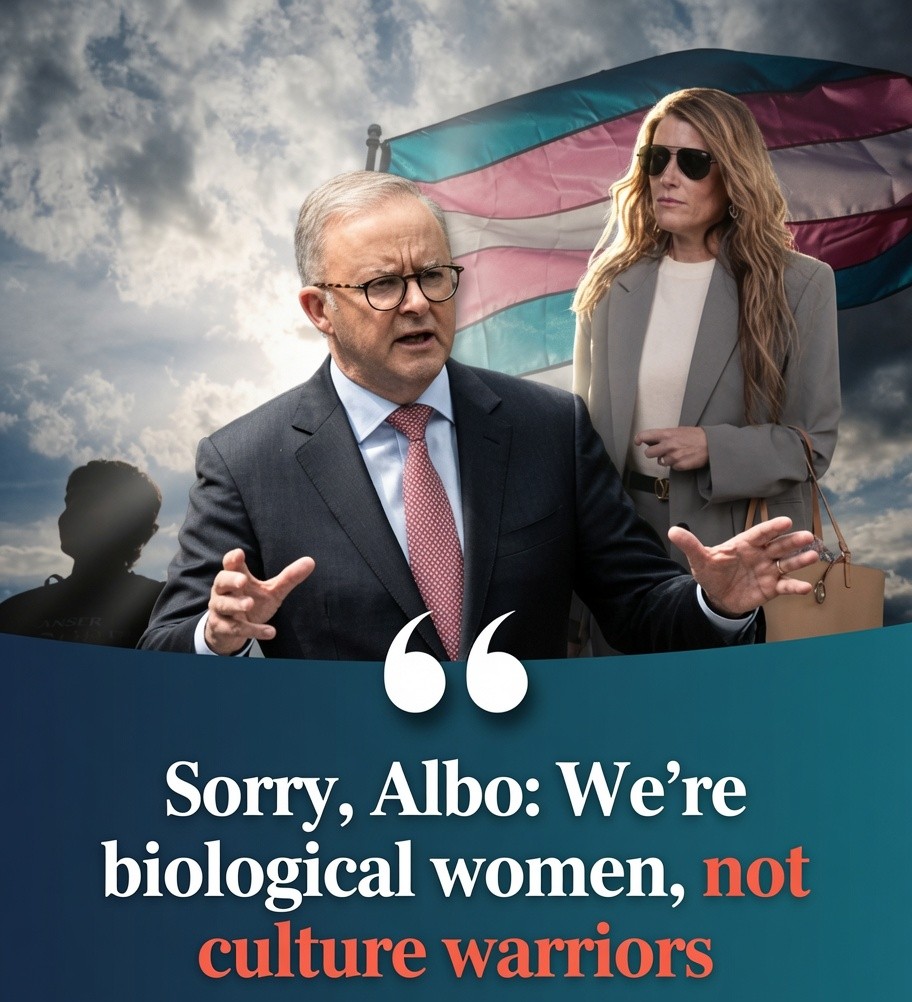
The controversy follows demonstrations in Melbourne and Brisbane where campaigners advocating for sex-based rights were met by counter-protesters supporting transgender rights. Images from the rallies circulated widely online, with some placards attracting particular criticism because of language interpreted by opponents as threatening or encouraging violence.
Technology entrepreneur and Giggle founder Sall Grover, who has become one of Australia’s highest-profile advocates for female-only spaces based on biological sex, said the demonstrations illustrated why concerns about intimidation should be taken seriously.
In an opinion article published this week, Grover argued that describing the issue simply as a “culture war” fails to recognise the impact that explicit threats can have on people participating in public debate.
“When a rally sign threatens a woman for defending her rights, that is not cultural debate,” she wrote, arguing that public officials should distinguish between peaceful protest and messages that could reasonably be interpreted as intimidation.
Grover claimed several signs displayed during the rallies targeted women who advocate for sex-based legal protections and female-only spaces in areas such as sport, prisons and changing facilities.
She argued that such messaging risks discouraging women from participating in public discussion about policies affecting biological sex and gender identity.
The article also criticised Prime Minister Anthony Albanese’s previous description of the issue as part of Australia’s broader “culture war”, arguing that the characterisation downplays the seriousness of threatening conduct directed at individuals.
The Albanese government has consistently supported anti-discrimination protections while emphasising respect, social cohesion and peaceful public debate. Government ministers have repeatedly condemned violence, intimidation and hate speech regardless of the groups involved.
The broader debate over sex-based rights has become increasingly prominent across Australia in recent years.
Advocates for female-only spaces argue that biological sex remains an important legal category for protecting privacy, safety and fairness in areas including competitive sport, correctional facilities and crisis accommodation.
Transgender rights advocates, meanwhile, argue that transgender Australians deserve equal dignity, protection from discrimination and the ability to participate fully in society. They contend that restrictions based on gender identity can expose transgender people to exclusion and harm.
The competing perspectives have produced increasingly heated political and legal disputes, including court proceedings, parliamentary debates and public demonstrations.
Civil liberties experts note that Australia has long recognised the importance of peaceful protest as a democratic right. At the same time, they point out that freedom of expression does not necessarily protect conduct that amounts to threats, intimidation or unlawful incitement, with any assessment depending on the specific circumstances and applicable laws.
The controversy has also renewed discussion about the tone of Australia’s political conversation.
Some commentators argue increasingly confrontational language from all sides risks making constructive discussion more difficult, while others maintain that emotionally charged rhetoric reflects the significance many Australians attach to issues involving sex, gender identity and human rights.
Political observers note that disputes over gender policy have become one of the defining social issues confronting many Western democracies, with governments seeking to balance competing rights while maintaining social cohesion.
In Australia, those discussions continue to involve questions about anti-discrimination law, women’s sporting competitions, healthcare, education and freedom of expression.
While opinions remain sharply divided, there is broader agreement across the political spectrum that public debate should occur without violence or intimidation.
Whether recent protest signs crossed that threshold remains a matter of public and political disagreement, but the controversy has ensured the debate over women’s rights, transgender rights and the limits of acceptable protest will remain firmly in the national spotlight.






