Australia is experiencing an unusually intense respiratory syncytial virus (RSV) season, with the common cold-like virus now spreading more widely than both Covid-19 and influenza during the current winter.
Health authorities say more than 83,000 laboratory-confirmed RSV infections have already been recorded nationally this year, placing the country on track to exceed 120,000—and potentially around 127,000—cases before winter ends. The figures mean RSV has overtaken both Covid-19 and influenza as Australia’s most commonly reported respiratory virus this season.
The surge has prompted doctors, infectious disease specialists and public health officials to encourage eligible Australians to receive available RSV vaccinations while continuing to stay up to date with influenza and Covid-19 boosters.
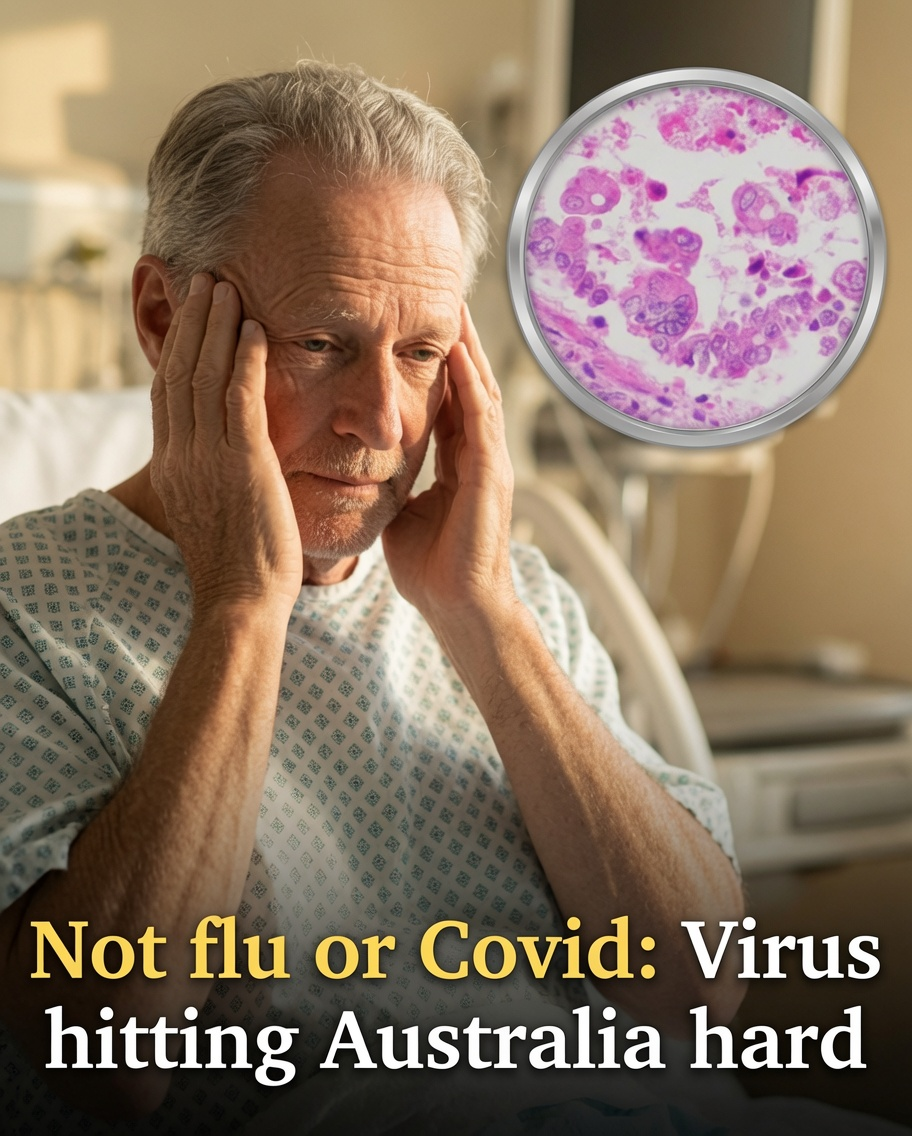
Although RSV often begins with symptoms similar to a common cold, it can become a serious illness in vulnerable people, particularly infants, older Australians and those with chronic medical conditions.
Typical symptoms include a runny nose, cough, sore throat, fever and fatigue. In many healthy adults the illness resolves without complications, but RSV can progress to bronchiolitis or pneumonia, sometimes requiring hospital treatment.
Medical experts warn that RSV remains one of Australia’s leading causes of hospital admissions among young children. Older adults also face an increased risk of severe respiratory disease, particularly those living with heart disease, chronic lung disease, diabetes or weakened immune systems.
The current outbreak has drawn renewed attention because Covid-19 activity has remained comparatively subdued throughout much of winter, while influenza numbers have also stayed below RSV notifications.
Health surveillance data from several states continues to classify RSV activity as high even while Covid-19 circulation remains relatively low. Some regions are also reporting increasing pressure on emergency departments due to respiratory illnesses affecting children and elderly patients.
Doctors say one reason RSV spreads so effectively is that it is highly contagious and easily transmitted through respiratory droplets when infected people cough, sneeze, speak or touch contaminated surfaces. People can also spread the virus before recognising they are unwell.
Unlike influenza, there is currently no antiviral treatment routinely used for most RSV infections. Management generally focuses on relieving symptoms through rest, hydration, fever control and medical support where breathing difficulties develop.
For babies and older adults, however, the illness can deteriorate rapidly.
Infants may develop difficulty feeding, rapid breathing, wheezing or dehydration, while elderly patients can experience worsening underlying medical conditions or secondary bacterial infections that require hospital care.
Australia has significantly expanded its RSV prevention strategy over the past two years.
Pregnant women became eligible for free RSV vaccination through the National Immunisation Program in 2025, helping pass protective antibodies to newborn babies during the first months of life when they are at greatest risk.
The Commonwealth also introduced a free RSV vaccine program for Australians aged 75 years and over from May 2026, alongside Aboriginal and Torres Strait Islander people aged 60 years and above.
Health officials say the early results have been encouraging.
More than 700,000 eligible older Australians have already received their RSV vaccine since the program expanded, while infant hospital admissions linked to RSV are reported to have fallen dramatically compared with the period before maternal vaccination became available.
Despite those gains, vaccination coverage among older Australians remains well below desired levels.
Medical organisations estimate that well over one million Australians who qualify for the free vaccine have yet to receive it, leaving many vulnerable ahead of the seasonal peak.
The Australian Medical Association and immunisation experts are urging eligible people not to delay.
They say vaccination remains the most effective way to reduce the risk of severe disease, hospitalisation and death from RSV, particularly when combined with seasonal influenza and Covid-19 immunisations.
Health professionals also note that RSV, influenza and Covid-19 vaccines can often be administered during the same appointment following appropriate medical advice.
General practitioners and pharmacists continue to encourage patients to discuss their personal risk factors before winter respiratory viruses reach their seasonal peak.
Experts stress that vaccination is only one part of reducing transmission.
Australians experiencing cold or flu-like symptoms are encouraged to stay home where possible, avoid visiting aged-care facilities or hospitals unless necessary, practise good hand hygiene and wear a mask in crowded indoor settings if they are feeling unwell.
Parents are also advised to keep children with respiratory symptoms away from childcare or school until they are recovering, helping reduce outbreaks among young children who are especially susceptible to RSV.
Although laboratory-confirmed case numbers provide an indication of virus activity, experts believe the true number of infections is likely to be considerably higher.
Many Australians with mild symptoms recover at home without undergoing laboratory testing, while increasing use of rapid antigen tests means some infections are never officially recorded.
Even so, surveillance systems continue to show RSV dominating Australia’s respiratory virus landscape during the current winter.
Public health specialists say this does not necessarily indicate that Covid-19 or influenza have disappeared. Instead, all three viruses continue circulating simultaneously, meaning Australians may still face exposure to multiple respiratory infections throughout the colder months.
Doctors also caution that people can occasionally contract more than one respiratory virus in close succession, particularly when immune systems are already weakened.
For that reason, health authorities recommend maintaining broader winter health precautions rather than focusing on a single virus.
Simple measures—including regular handwashing, covering coughs and sneezes, improving indoor ventilation and avoiding close contact with vulnerable people while sick—remain effective in reducing the spread of respiratory infections.
The Department of Health continues encouraging Australians to review their vaccination status before winter ends, particularly if they belong to higher-risk groups.
Eligible people can receive RSV vaccinations through participating general practices, community pharmacies, Aboriginal Community Controlled Health Services and other approved vaccination providers.
Officials emphasise that while RSV may resemble an ordinary cold for many people, it should not be underestimated.
For Australia’s youngest and oldest residents, the virus can quickly develop into a life-threatening illness, making prevention and early medical attention especially important during one of the country’s busiest respiratory virus seasons in recent years.






