Calls are mounting for the Victorian Government to strengthen oversight of apartment owners corporations after advocates warned that hundreds of thousands of residents may be living under dysfunctional or “toxic” management structures that undermine consumer protections and delay repairs to residential buildings.
The warning follows renewed criticism from Australian Apartment Advocacy (AAA), which claims governance problems within many owners corporations are becoming increasingly widespread and are affecting the daily lives of apartment owners across Victoria.
According to the organisation, approximately 1.2 million Victorians live in apartment developments governed by owners corporations, with as many as half of those bodies potentially experiencing serious governance issues ranging from bullying and conflicts of interest to failures in repairing building defects.
AAA chief executive Samantha Reece argues the sector is facing a systemic problem rather than isolated incidents.
“The AAA is receiving calls on a daily basis from Victorian apartment owners where their strata managers are unaware of or disregard the Owners Corporation Act,” Reece said.
She alleged recurring issues include abuse of proxy voting, failure to address construction defects, poor governance and toxic workplace cultures within some apartment communities.
One recent example highlighted by the organisation involved an apartment complex in Melbourne’s Ringwood area.
According to AAA, residents attended the annual general meeting hoping to gain representation on the owners corporation committee after raising concerns about building defects and management practices.
However, Reece alleged that a property developer retained effective control of the committee through the use of proxy votes that exceeded legal limits, working alongside the building’s strata manager despite multiple resident nominations.
She said she attended the meeting on behalf of one owner but was removed after warning those present that the proxy arrangements appeared inconsistent with Victoria’s restrictions on so-called “proxy farming”.
“I sat in a room and watched democracy get steamrolled,” Reece said.
“Residents showed up, they nominated, they engaged — and it didn’t matter.”
Proxy farming refers to the practice of collecting voting authorities from multiple owners, allowing a small group to exercise disproportionate influence over decisions affecting an entire apartment complex.
Victoria introduced reforms in recent years limiting the number of proxies an individual may control in an attempt to reduce manipulation of owners corporation elections and improve governance transparency.
Advocates argue, however, that enforcement remains inconsistent and some developers or managers continue finding ways to retain influence beyond what lawmakers intended.
AAA says these governance disputes are not merely administrative disagreements.
The organisation argues that ineffective owners corporations can delay repairs to building defects, complicate insurance claims, discourage owner participation and even undermine broader government efforts to improve apartment construction standards.
According to Reece, unresolved governance failures may also allow developers to avoid responsibilities for rectifying construction defects before statutory warranty periods expire.
That concern has become increasingly important following Victoria’s recent building reforms aimed at improving quality and consumer protection within the apartment sector.
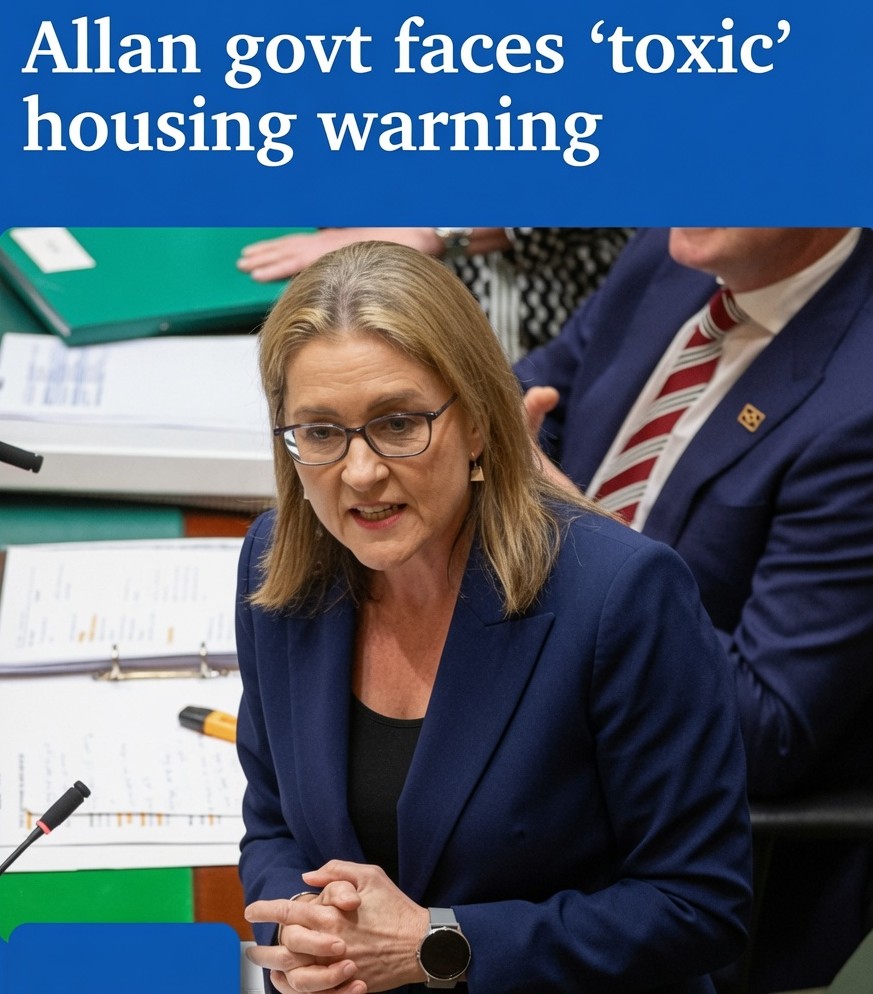
The criticism comes only weeks after the Victorian Government rejected a recommendation from an independent expert review to establish a dedicated Owners Corporation Commissioner.
Supporters of the proposal argued a specialised commissioner would provide apartment owners with an independent authority capable of investigating complaints, resolving disputes and enforcing compliance with owners corporation legislation.
Instead, the government opted to continue implementing reforms through existing regulatory structures while introducing targeted legislative changes.
A Victorian Government spokesperson said a broad package of reforms had already been introduced to strengthen protections for apartment owners.
Among the first measures are new hardship payment plans for owners struggling to meet body corporate fees, together with protections designed to reduce aggressive debt collection practices.
The government also pointed to amendments to the Owners Corporations Act 2006 clarifying voting requirements for legal proceedings involving disputes valued at up to $100,000 and other governance improvements intended to place greater decision-making power in residents’ hands.
Owners corporations—known in some other Australian states as strata corporations or body corporates—are responsible for managing common property within apartment developments.
Their responsibilities typically include maintaining lifts, roofs, gardens, corridors, insurance, financial management and compliance with safety obligations.
Committee members are generally elected by apartment owners and are expected to make decisions in the interests of the collective ownership group.
Because apartment living continues expanding across Melbourne, effective governance has become increasingly significant.
Victoria’s long-term housing strategy relies heavily on medium- and high-density residential development to accommodate future population growth.
Housing advocates argue that confidence in apartment ownership depends not only on construction quality but also on transparent and accountable management once buildings are occupied.
Consumer groups have therefore welcomed recent building reforms while arguing additional governance reforms remain necessary.
They say improved education for owners, stronger regulation of strata managers and independent dispute resolution would help restore confidence in apartment living.
Industry representatives, meanwhile, note that many owners corporations function effectively and caution against assuming isolated disputes represent the entire sector.
They argue most committee members are volunteers who manage increasingly complex legal and financial responsibilities on behalf of fellow residents.
Nevertheless, the latest warnings have intensified debate about whether Victoria’s current regulatory framework provides sufficient protection for apartment owners.
As Melbourne continues growing vertically through higher-density housing, governance inside apartment buildings is becoming an increasingly important public policy issue.
Whether the Allan Government ultimately revisits calls for an independent Owners Corporation Commissioner remains uncertain.
For advocates representing apartment owners, however, the message is clear: improving building quality alone will not solve the challenges facing Victoria’s apartment sector unless governance, accountability and enforcement improve alongside it.






