An urgent public appeal has been launched to find a 16-year-old girl from Townsville after five days without contact with her family, with police increasingly concerned for the teenager’s welfare.
The teenager, from the Townsville suburb of Douglas, last made contact with her family on Thursday, 9 July.
Her loved ones have not seen or heard from her since.
After days without contact, the girl’s family reported her missing to police on Monday, 13 July, triggering a public appeal for information about her whereabouts.
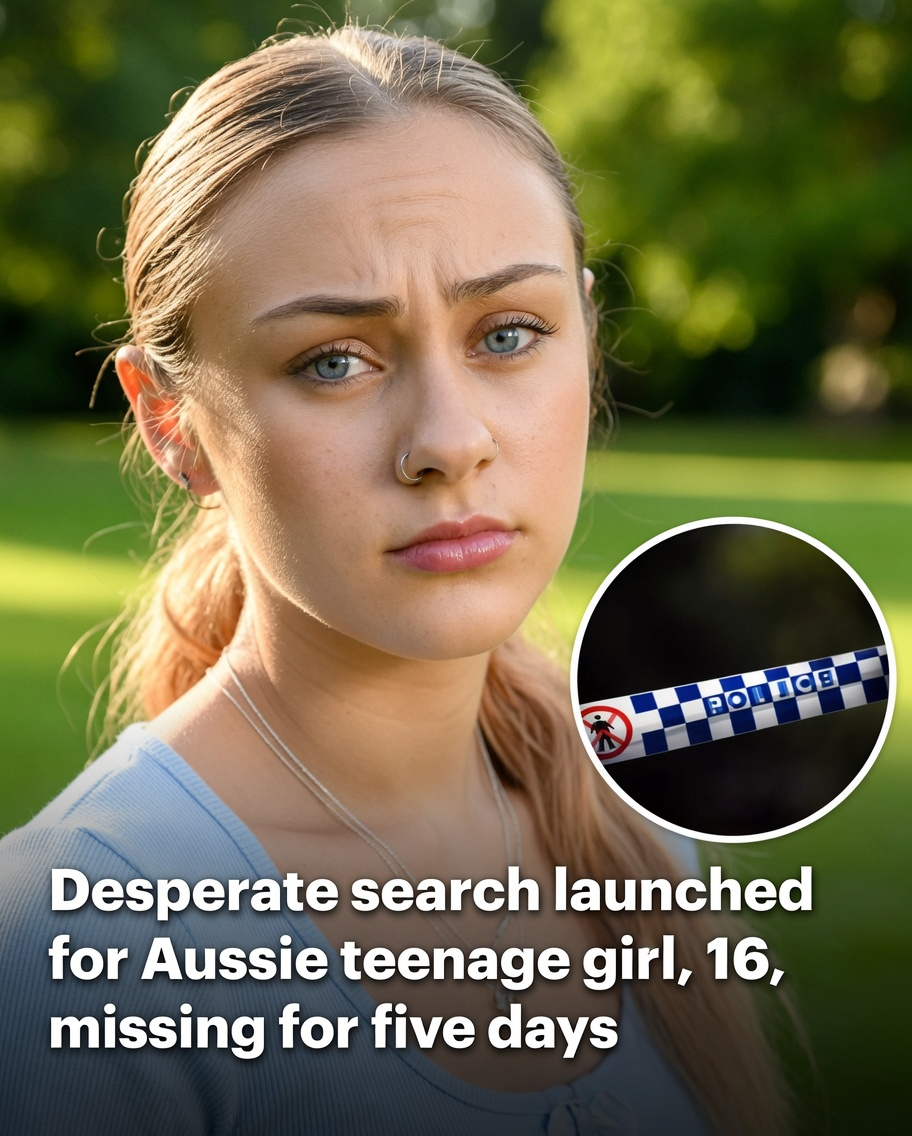
“Family and police have concerns for her welfare due to her age,” Queensland Police said.
The girl is described as having a fair complexion and standing approximately 150 centimetres tall.
She has brown hair, blue eyes and a nose piercing.
Police have released an image of the teenager and are urging members of the public to look carefully at the appeal and come forward if they have information that could help locate her.
Authorities have also directly appealed to the girl herself to make contact.
Anyone with information about her whereabouts is urged to contact Policelink on 131 444.
Five days without contact has heightened concern
The appeal comes after an increasingly anxious wait for the girl’s family.
Police have not publicly announced suspicious circumstances surrounding her disappearance in the information released so far.
They have also not disclosed why the teenager last contacted her family on 9 July, where she may have been at the time or what she was believed to be wearing.
Those details should not be guessed.
What authorities have made clear is that the length of time without contact, combined with the girl’s age, has caused concern for her welfare.
For families of missing young people, the absence of communication can be particularly distressing because even basic questions remain unanswered.
Is the teenager safe?
Is she staying with someone known to her?
Does she have access to a phone?
Does she know that her family and police are trying to find her?
Until the girl is located or makes contact, police need information from people who may have seen her or know where she is.
That is why public appeals often become an important part of a missing-person investigation.
A seemingly minor observation can help establish a person’s movements.
Someone may recognise the teenager from a recent encounter.
A friend or acquaintance may have received a message.
A member of the public may remember seeing a person matching her description.
Information does not need to provide the entire answer to be potentially useful to investigators.
Police have made a direct appeal to the teenager
Queensland Police have urged the missing girl, as well as anyone with information about her whereabouts, to come forward.
That wording is significant.
Missing-person appeals are fundamentally focused on locating a person and establishing their safety.
Police do not need members of the public to investigate the disappearance themselves.
They need relevant information passed to the appropriate authorities.
If the teenager sees the appeal, the immediate priority is for her to make contact so her welfare can be confirmed.
If another person knows where she is, police are asking that information be provided.
The public should avoid spreading unverified claims about the circumstances of the disappearance.
There is no benefit in turning a welfare appeal involving a 16-year-old into online speculation.
Unfounded rumours can create additional distress for family members and potentially distract from accurate information.
The most useful action is simple: look at the image released in connection with the appeal, remember the girl’s identifying features and contact police if there is genuine information.
Douglas is part of Townsville’s busy university and hospital precinct
Douglas is a major residential suburb in Townsville’s south-west and sits near James Cook University and Townsville University Hospital.
The area includes residential streets, student accommodation and significant transport movement associated with two of North Queensland’s major institutions.
That does not establish where the teenager went after her last contact with family.
Police have not publicly provided a confirmed route or destination in the information available about the appeal.
But the broader Townsville community is being asked to remain alert.
People who were in Douglas or surrounding parts of Townsville in the days following 9 July may be able to help if they recognise the teenager.
Businesses, transport users and residents can sometimes hold information without initially realising its significance.
A sighting that appeared ordinary at the time may become relevant once a missing-person image is circulated publicly.
This is one reason police appeals ask people to come forward rather than decide for themselves whether information is important enough.
Investigators are in the best position to compare a report with other information available to them.
Online reaction has centred on hopes for her safe return
The public appeal has prompted an outpouring of concern from Queenslanders.
Hundreds of reactions and comments followed the police appeal as people shared hopes that the teenager would return home safely.
“Praying this one returns home soon and safely,” one person wrote in response to the appeal.
Another expressed concern at the number of days the teenager had been out of contact.
The reaction reflects the particular anxiety that accompanies the disappearance of a young person.
But sharing an appeal responsibly is more useful than adding speculation.
When missing-person notices circulate widely, outdated versions can sometimes continue spreading even after circumstances change.
Members of the public should therefore pay attention to updates from Queensland Police and established news sources.
At the time of publication, the public appeal remained active and no reliable official update reviewed for this article had confirmed the teenager had been located.
If police announce that she has been found, older missing-person posts should no longer be circulated as though the search remains active.
What to do if you recognise the missing girl
Anyone who believes they have seen the teenager or knows where she may be should contact Queensland Police.
Police have asked people with information to contact Policelink on 131 444.
If there is an immediate threat to life or an emergency is unfolding, the emergency number in Australia is 000.
Members of the public should not attempt to confront another person, enter private property or conduct their own investigation based on social media claims.
Instead, information should be provided directly to police.
Useful information may include the time and place of a possible sighting and any other details a witness can accurately remember.
People should distinguish clearly between what they personally observed and what they heard from somebody else.
Accuracy is particularly important in an active missing-person appeal.
The priority remains confirming the 16-year-old is safe
There is still much the public does not know about the teenager’s disappearance.
Police have not announced that a crime has occurred.
No suspect has been identified in the information released with the appeal.
There is no publicly confirmed explanation for why contact with the girl’s family stopped after 9 July.
Those gaps should remain gaps until investigators or the family provide further verified information.
The established facts are limited but urgent.
A 16-year-old girl from Douglas last contacted her family on Thursday.
Five days later, her loved ones still had not seen or heard from her.
Her disappearance was reported to Queensland Police on Monday.
Police and family are concerned for her welfare because of her age.
She is approximately 150 centimetres tall, with a fair complexion, brown hair, blue eyes and a nose piercing.
Her image has now been circulated publicly as authorities seek information that may help find her.
For the teenager’s family, the hope is that somebody knows where she is — or that the girl herself sees the appeal and makes contact.
Anyone with information about her whereabouts is urged to contact Policelink on 131 444.






