Australia’s economy continues to face significant productivity challenges despite maintaining a comparatively strong labour market, with economists warning that slower efficiency gains are limiting improvements in household living standards.
According to published economic analysis, Australia’s low unemployment rate has not translated into the level of income growth and productivity improvements that many economists would typically expect during a tight labour market. Analysts argue that productivity growth has become one of the country’s most important economic challenges as policymakers seek to improve long-term prosperity. These assessments reflect the views presented in the published analysis alongside broader economic data.
Productivity measures how efficiently labour, capital and technology combine to produce goods and services. Over the long term, sustained productivity growth is widely regarded by economists as one of the main drivers of higher wages, stronger business profitability and improved living standards. When productivity growth slows, economies often find it more difficult to generate lasting increases in household incomes without creating additional inflationary pressure.
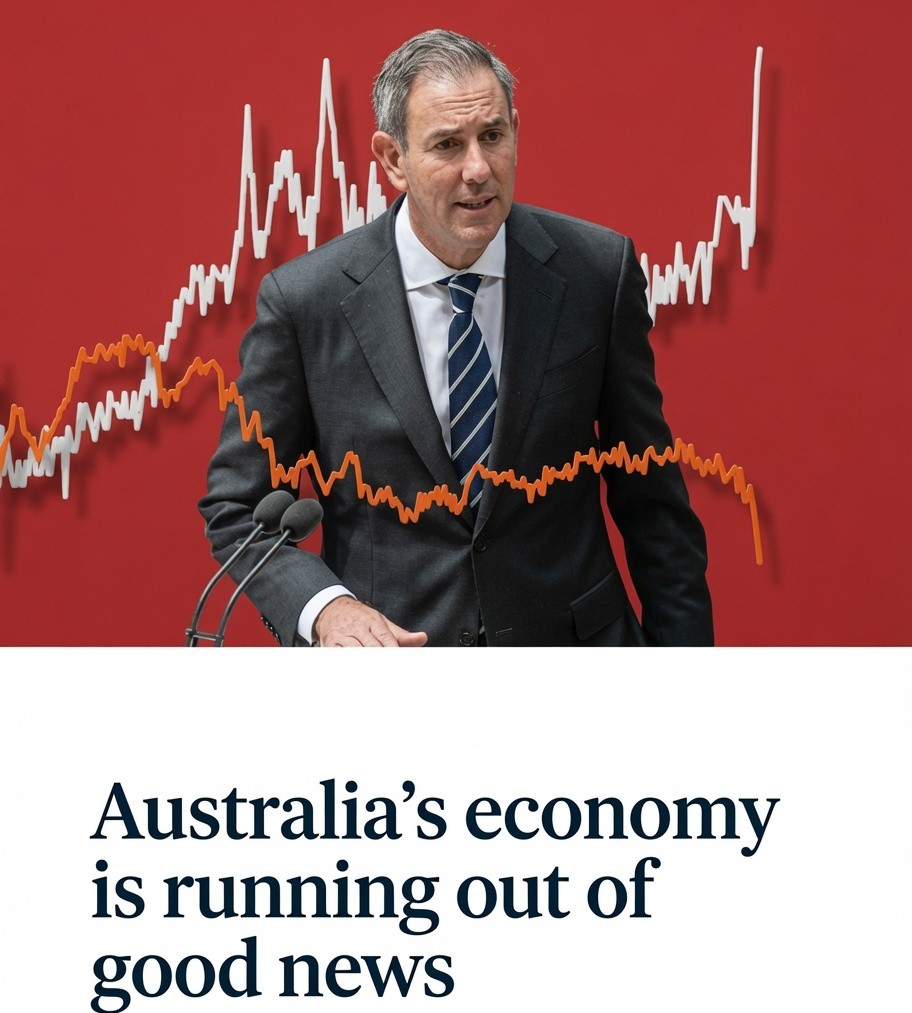
Australia has experienced a relatively resilient labour market in recent years, with employment remaining historically strong. However, economists note that strong employment alone does not guarantee rising living standards if businesses are not producing significantly more output for each hour worked. Factors such as technology adoption, workforce skills, infrastructure investment and business innovation all influence productivity performance.
Business organisations have argued that improving productivity requires policies that encourage private investment, simplify regulation, strengthen infrastructure, expand workforce skills and increase innovation. Many industry groups also point to planning reforms, faster project approvals and greater policy certainty as measures that could support stronger long-term economic growth.
The Albanese Government has acknowledged productivity as a major economic priority while promoting initiatives involving skills development, infrastructure, advanced manufacturing, digital capability and targeted investment. Government ministers argue that these reforms are intended to strengthen Australia’s long-term economic resilience while supporting sustainable wage growth and higher living standards.
Independent economists emphasise that productivity is influenced by numerous interconnected factors rather than any single government decision. Global economic conditions, demographic change, technological progress, education outcomes, capital investment, competition and labour market dynamics all contribute to national productivity performance over time.
Productivity has become an increasingly prominent issue as Australians continue facing cost-of-living pressures, housing affordability challenges and elevated borrowing costs. Many economists argue that stronger productivity growth offers one of the most sustainable pathways towards improving real wages, increasing business investment and supporting higher living standards without adding further inflationary pressures.
As Australia prepares for future economic challenges, productivity is expected to remain central to policy discussions involving taxation, education, infrastructure, workplace relations, innovation and business investment. While different political parties propose different approaches, there is broad agreement among economists that stronger productivity growth will be essential to improving Australia’s long-term economic performance and prosperity.






